Why doesn’t the Mona Lisa have eyebrows?
No one knows for sure. One theory says they were painted but lost to cleaning or other damage.
At the Louvre in Paris, she is always smiling out from behind a crowd: the Mona Lisa. Painted on a poplar panel about 77 centimeters tall and 53 centimeters wide, it is probably the portrait more people have gazed at than any other in the world.
Look closely at her face, though, and you notice something odd. She has no eyebrows. No eyelashes, either. Could Leonardo da Vinci, so obsessed with detail, really have forgotten to paint them?
“The eyebrows were marvelous”
What complicates the story is an account left by Giorgio Vasari, the sixteenth-century painter and biographer. In his Lives of the Artists, Vasari lavished praise on this portrait. Of the eyebrows, he wrote, in essence, that the way the hairs grow from the skin, thicker in some places and sparser in others, was painted as naturally as could be.
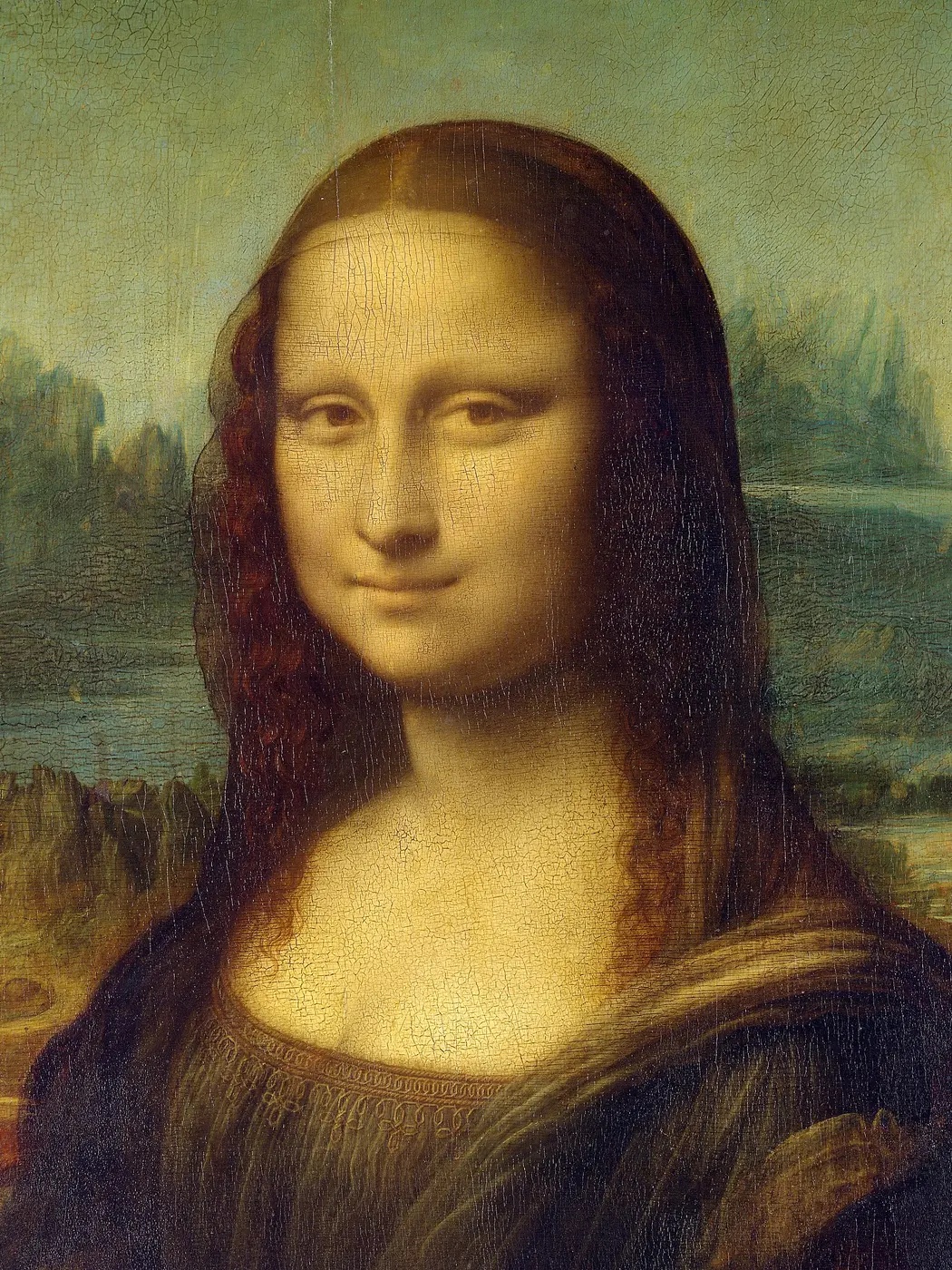

Vasari himself, however, is thought never to have seen the painting in person. Leonardo took it with him to France late in life, and Vasari never visited France. His description seems to have been based on secondhand reports, so it can’t be taken as proof. Still, it was more than enough to spark the idea that the portrait originally had eyebrows.
A single hair found by a high-resolution scan
A new clue to the mystery came from the French engineer Pascal Cotte. Using a high-definition camera he had developed himself, Cotte photographed the Mona Lisa in 13 wavelengths of light, including ultraviolet and infrared, producing images of about 240 megapixels.
According to his analysis, announced in 2007, he found a brushstroke that looks like a single painted hair near the left eyebrow. Cotte took this as evidence that Leonardo had originally painted eyebrows and eyelashes.
So why did they disappear? Cotte suggests the pigment may have faded over time, or that the hairs may have been removed during past restorations or cleanings. Eyebrows and eyelashes are thought to have been painted with a very fine brush in thin layers of paint, making them easy to lose with even light rubbing of the surface. Around the eyes, the pattern of cracks also looks slightly different from elsewhere, which some take as a sign that someone has worked on that area.
Several other theories
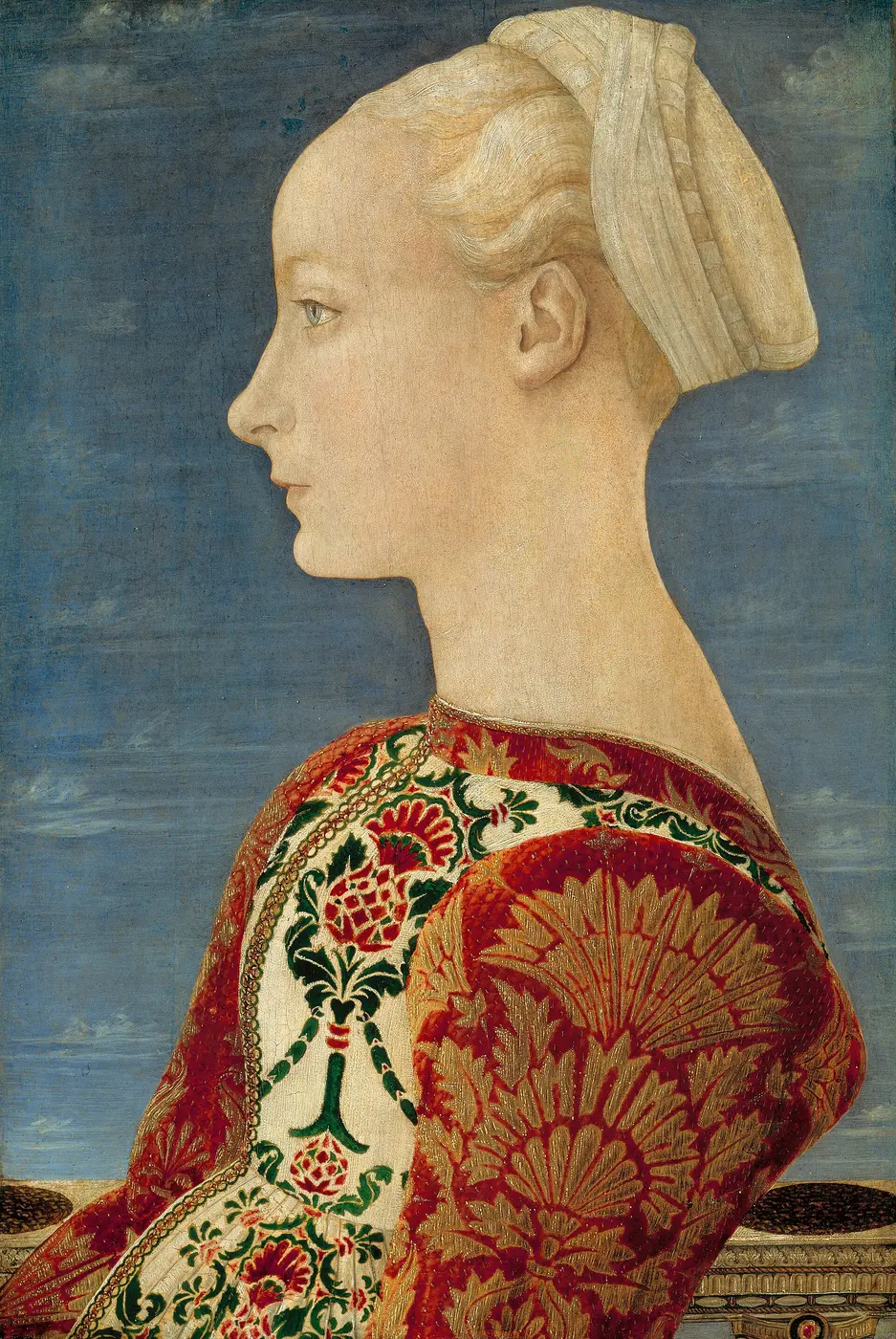
That said, there is no single settled answer. A long-standing explanation is that it was the fashion of the time. In Renaissance Italy, a broad, high forehead was considered beautiful, and women are said to have sometimes plucked their hairlines and eyebrows. Women in portraits from the same era often appear with very faint brows.

Leonardo was also a painter who kept many of his works unfinished. He is said to have begun the Mona Lisa around 1503, kept working on it for years, and never handed it over to the person who commissioned it. So another view holds that he simply stopped before finishing the eyebrows.
Cotte’s discovery lends support to the “there were eyebrows” theory, but it has not completely ruled out the fashion theory or the unfinished theory. For now, the honest answer is that there are several theories.
Behind the yellowed varnish
We should also remember that the Mona Lisa we see today is not exactly how it looked when it was painted. Its surface is coated with many layers of varnish that have yellowed and clouded over the years. Cracks have spread across the whole picture, and the fine details lie submerged beneath them.
The Louvre is cautious about giving the painting a full cleaning, and the yellowed varnish remains in place to this day. Precisely because it is the most famous painting in the world, even the smallest mistake is unthinkable. The mystery of the eyebrows may stay hidden behind that thick varnish for a long time to come.