When were matches invented?
The first strike-to-light matches are usually credited to John Walker, an English chemist who began selling his “friction matches” in 1827.
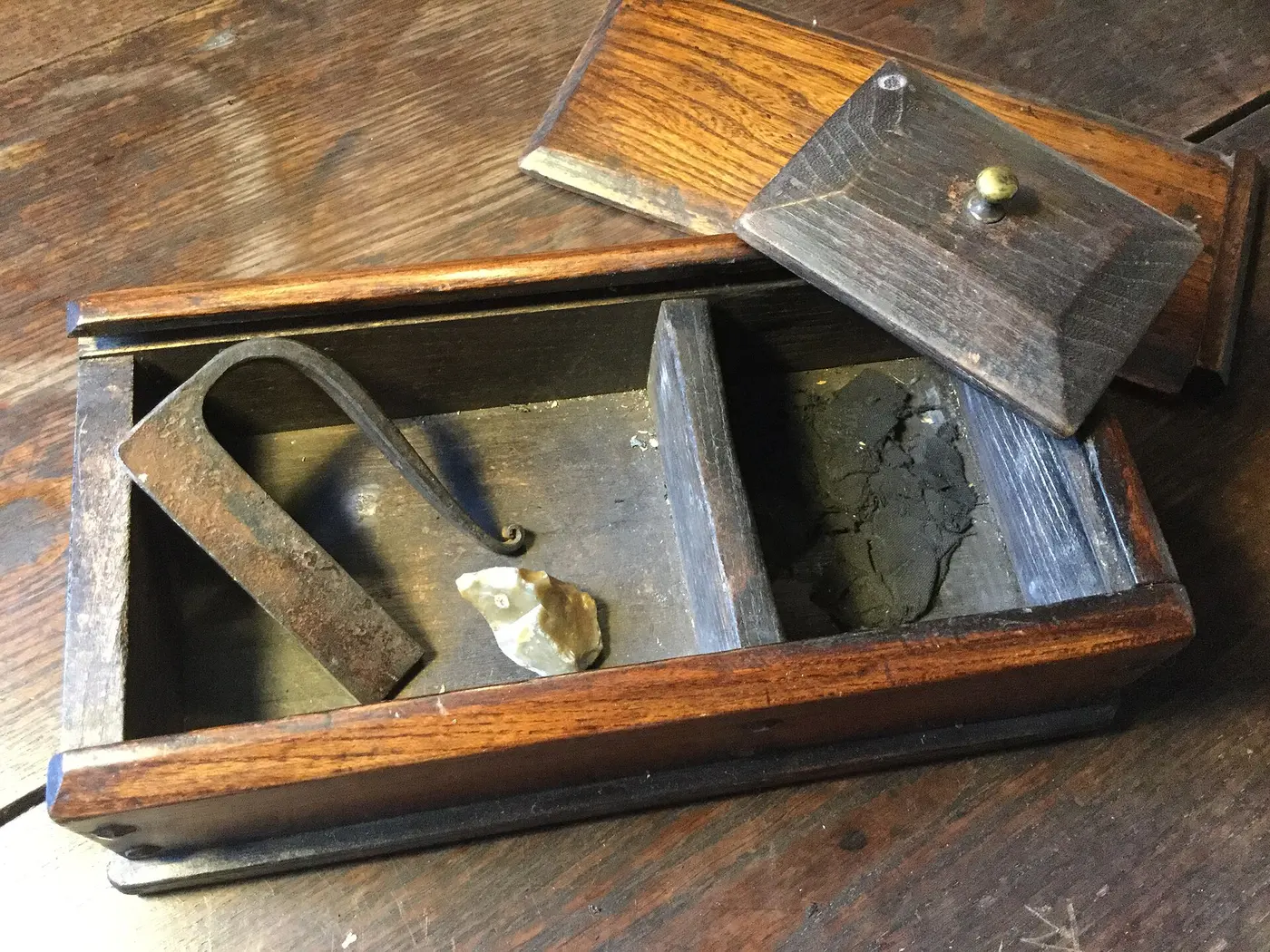
Strike a match along the side of the box and a small flame springs to life. With lighters and push-button stoves everywhere, few of us strike matches very often anymore. Yet only about 200 years ago, making fire was hard work. You struck steel against stone to throw sparks, caught them on something that burned easily, and only then had a flame to work with.
So when and where did the match, fire at your fingertips, come from?
John Walker’s friction lights
The first person to sell matches of the familiar kind, wooden splints tipped with chemicals that light when rubbed, is generally said to be John Walker, a chemist and druggist in the town of Stockton-on-Tees in northeast England. While experimenting with explosive chemicals used to fire guns, he found a way to coat the end of a thin wooden stick so that it would burst into flame when struck. That was in 1826.
According to a biography compiled by the British Matchbox Label and Booklet Society, Walker’s sales ledger records that on April 7, 1827, he sold 100 friction matches to a local solicitor for one shilling. It is the first recorded sale of his matches. Walker never patented the invention, even though people urged him to, and he kept his chemical recipe to himself.

Handy but deadly: white phosphorus
In the early 1830s, matches made with white phosphorus appeared in France. Because they lit when struck on almost any surface, white phosphorus matches became the basis of most match making until the early 20th century.
White phosphorus, though, is highly toxic. Among match factory workers it caused “phossy jaw,” a disease that destroys the bone of the jaw. The matches could also catch fire just by rubbing against each other, and there were reports of boxes bursting into flame in people’s pockets and setting their clothes alight.
Countries began to ban them. Denmark outlawed their manufacture in 1875 and Sweden in 1879. In 1906, an international convention signed in Bern, Switzerland, prohibited the manufacture, import and sale of matches containing white phosphorus.
Red phosphorus and the safety match
The answer came from Sweden. In 1844, Gustaf Pasch patented a safety match that used red phosphorus instead of white. The trick was to put the red phosphorus not on the match head but on a special striking surface on the box. Because the match would only light on that surface, it was far less likely to go off by accident.
The people who turned the idea into a product were the Lundström brothers, who ran a match factory in the Swedish town of Jönköping. They showed their safety matches at the 1855 world’s fair in Paris. At first the matches were expensive to make, however, and they did not become known around the world until about 1868.
Safety matches still work the same way. According to the Japan Match Industrial Association, the head contains potassium chlorate among other things, while the striking surface on the box contains red phosphorus. Striking the match scrapes off a little red phosphorus, which catches fire from the heat of friction and ignites the head.

Japan, a match superpower
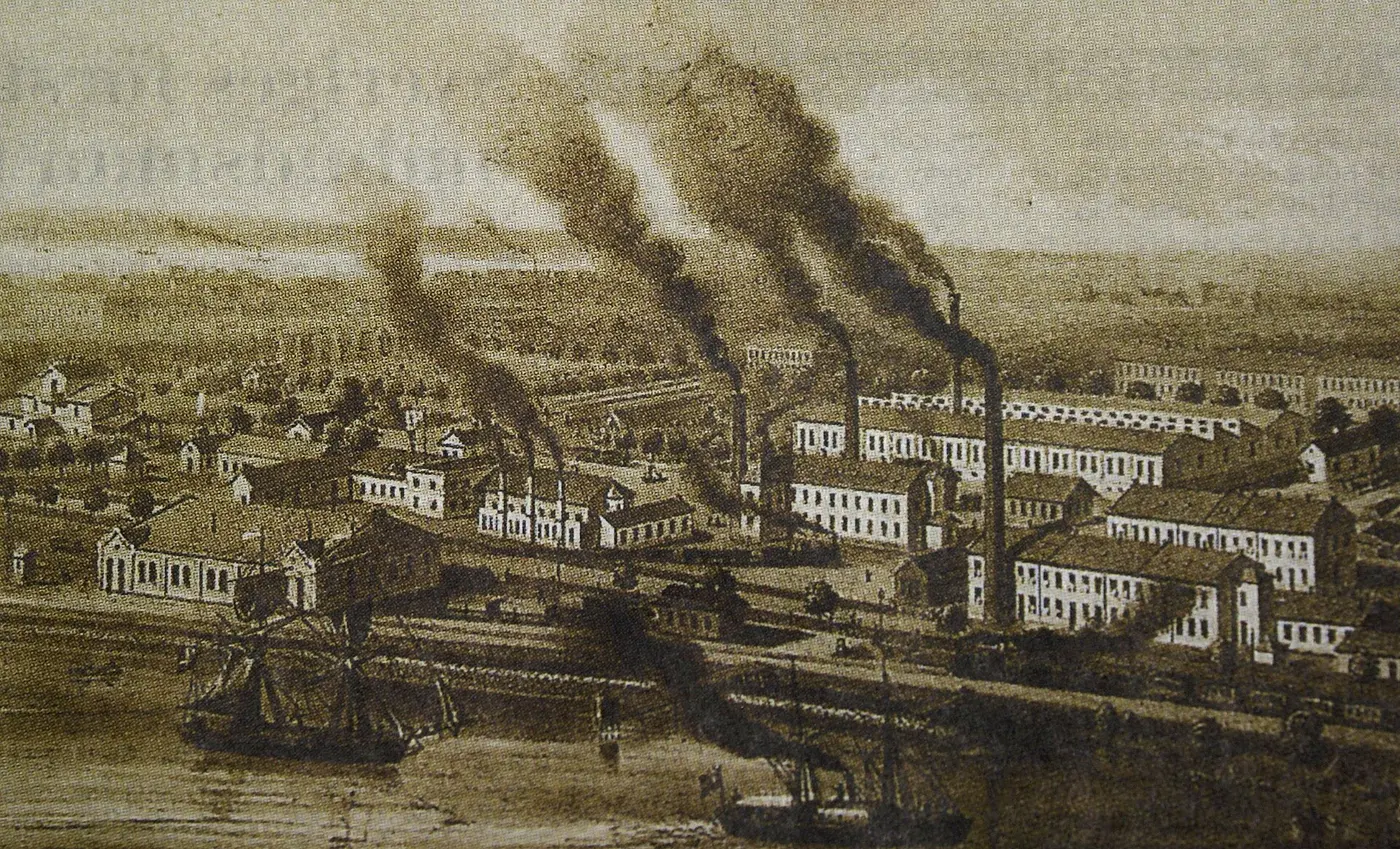
The man regarded as the founder of Japan’s match industry is Makoto Shimizu, from the city of Kanazawa. In 1874, while he was studying in France, a senior Japanese government official he met in Paris is said to have lamented that Japan had to import even matches and asked whether they could not be made at home. Shimizu resolved to do it. Back in Japan, he succeeded with a trial batch in Tokyo in 1875, and the following year began full production at a factory called Shinsuisha.
Factories soon clustered around the port of Kobe, which made it easy both to import raw materials and to ship out finished matches, and matches became one of Japan’s important exports. According to the Japan Match Industrial Association, in the Meiji and Taisho eras (1868–1926) Japan ranked with Sweden and the United States as one of the world’s three biggest match producers. Exports peaked in 1919 at 41.98 million yen. Japan was slower than Europe to ban white phosphorus, however, and banned the manufacture and export of white phosphorus matches only in 1922.
Even today, about 80 percent of Japan’s matches are made around the city of Himeji in Hyogo Prefecture, west of Kobe.