Why does kneeling Japanese-style make your feet fall asleep?
Your body weight squeezes the nerves and blood vessels in your legs until the nerves stop working properly. The pins and needles afterward are recovering nerves firing on their own.
10min
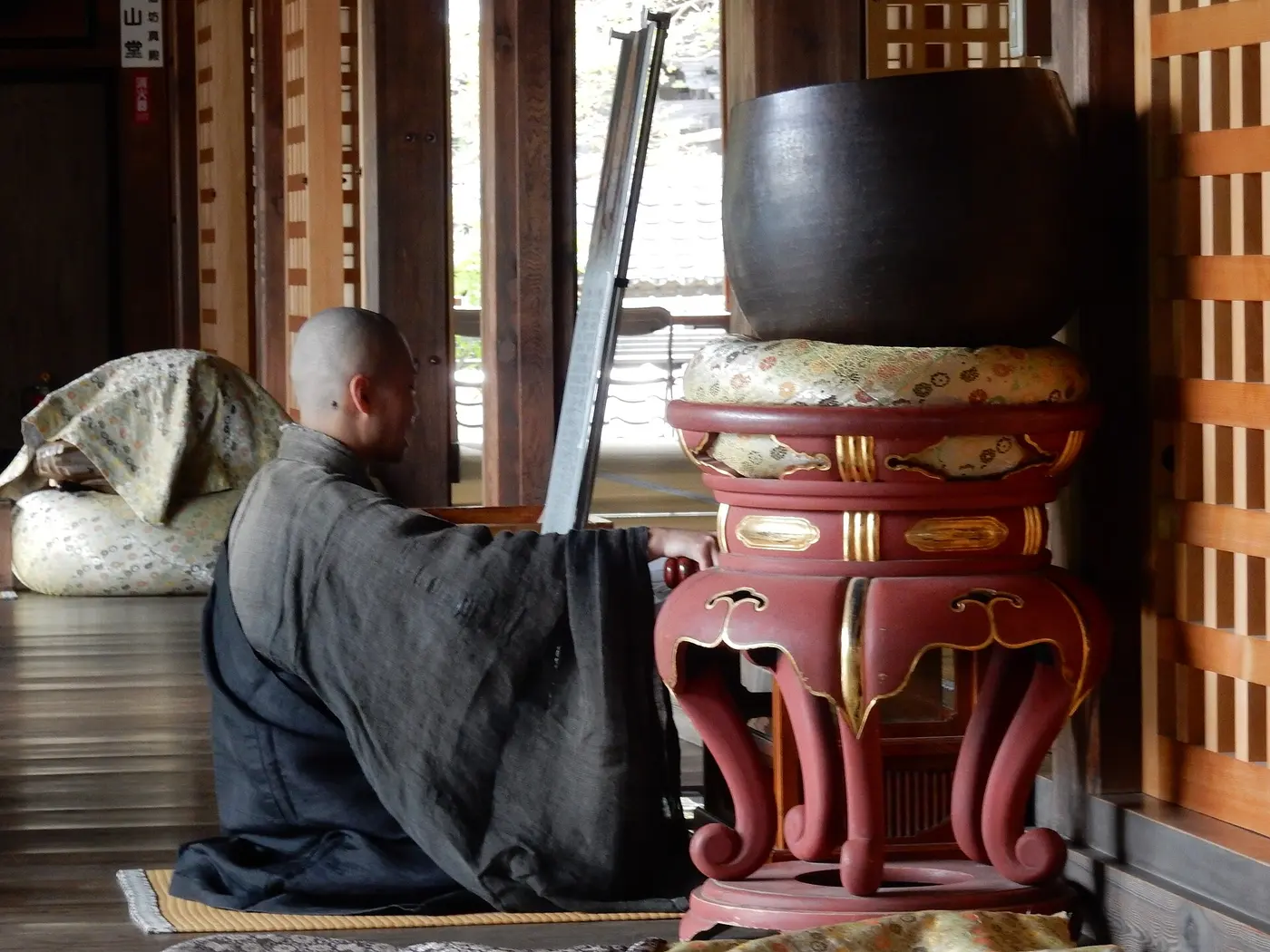
In Japan, formal occasions such as Buddhist memorial services and tea ceremonies often mean sitting seiza: kneeling on the floor with your legs folded beneath you and your weight resting on your heels. After a long session, you try to get up and find that your feet have gone numb and won’t take your weight. Then comes a wave of prickling, fizzing sensations that makes you wince.
English speakers call it pins and needles, and you don’t need a tatami mat to get it; sleeping on your arm will do. The cause is a temporary malfunction in nerves that have been squeezed, followed by some misfiring as they recover.
Squeezed nerves and blood vessels
In seiza, your knees are bent as far as they go, and the weight of your body presses down on your shins, the tops of your feet and your calves. The nerves and blood vessels that run through them are squeezed too.
Nerves are like electrical wires that carry sensations and commands as signals. But to keep producing those signals, they need a steady supply of oxygen and nutrients from the blood. Britain’s National Health Service explains that pins and needles happen “when the blood supply to the nerves is cut off,” usually “when you sit or sleep on part of your body.”
Researchers in Japan have measured this. In a study published in 2008 in the journal Kyoiku Igaku (Educational Medicine), a team including scientists at Kanazawa University found that as soon as people began sitting seiza, the amount of oxygen-carrying hemoglobin in their calf muscles started to fall, leveling off at a low point after about three to five minutes. After the blood had stagnated for a while, the sense in the soles of the feet that tells us about posture and position became duller.

When your feet fall asleep
Starved of oxygen and energy, the nerves eventually stop passing signals properly. You can barely feel a touch, you can’t tell where your feet are, and your muscles won’t respond. That is what we mean when we say a foot has fallen asleep.
Standing up suddenly at this point is risky. The same Japanese study also looked at how people walked after sitting seiza. Their stride length and walking speed were lower than before, both immediately afterward and five minutes later. Because numbness in the soles can upset your gait and lead to falls, the researchers recommended resting for about ten minutes after sitting seiza before walking.
Pins and needles: nerves misfiring
Shift your legs and the pressure is released and blood flows back in. That is when the pins and needles begin.
In 1980, the neurology journal Brain published a study that recorded the sensation from inside the nerves themselves. José Ochoa and Erik Torebjörk temporarily stopped the blood flow in healthy volunteers, then restored it, while recording from sensory nerves with fine electrodes. About half a minute after circulation returned, nerve fibers began firing spontaneously, with nothing touching the skin. The firing peaked at around two minutes and then slowly died away, closely matching the rise and fall of the tingling the volunteers felt.
At its most intense, a single fiber fired in bursts of 200 to 300 impulses per second lasting one to seven seconds. The signals were not coming from sensors in the skin but from the nerve fibers that had been deprived of blood. The researchers suggested that different types of sensory fibers firing in a disorganized way send the brain a jumble of signals, which it experiences as a strange, shifting mix of sensations.
Why do the nerves fire on their own? According to a 2000 review by researchers in Australia and Britain, potassium ions build up around the nerve fibers while the blood supply is cut off, and this leaves the nerves temporarily overexcitable once blood returns.
When numbness doesn’t go away
Pins and needles from pressure usually fade within minutes of moving. The NHS advises seeing a doctor if you have pins and needles all the time, if they keep coming back, or if they last a long time, because there may be another cause, such as diabetes or a trapped nerve in the back.
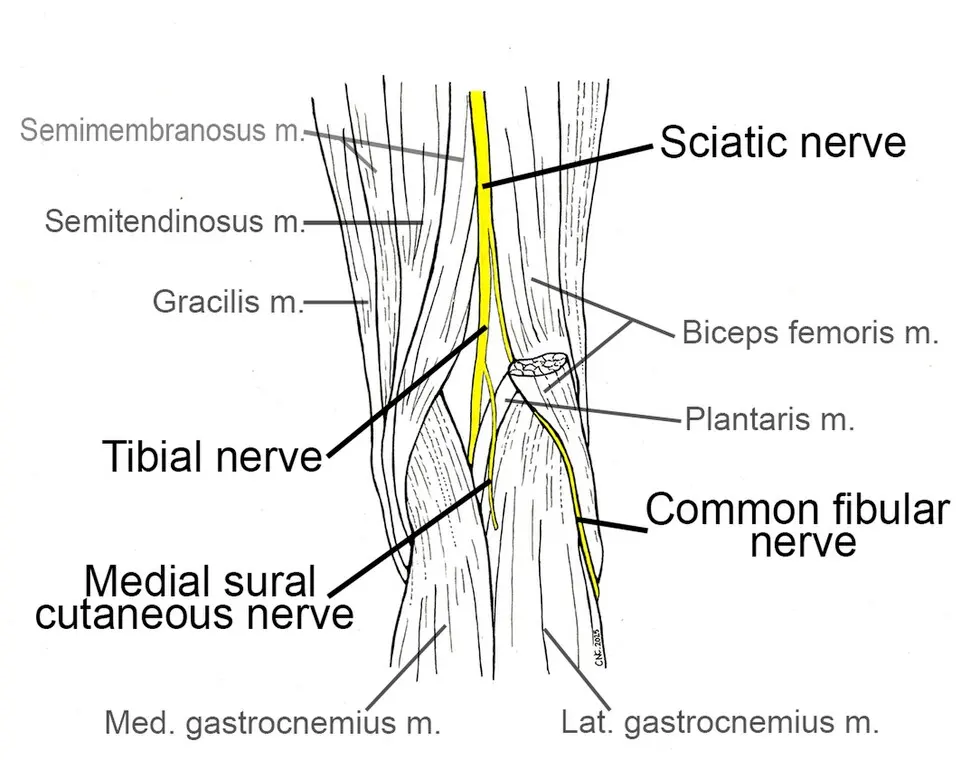

If pressure goes on for too long, a nerve can be injured. According to the Japanese Orthopaedic Association, the fibular (peroneal) nerve, which wraps around the back of the bone on the outer side of the knee, is easily paralyzed by pressure from outside because it lies between bone and skin with nowhere to move. When that happens, you can no longer lift your ankle and toes, leaving a “foot drop.” If numbness or weakness lingers after you have changed position, it is worth seeing a doctor.