Why are winter baths dangerous in Japan?
The jump from a cold changing room into hot water sends blood pressure up and down, and a long soak can overheat the body until the bather loses consciousness.
7776people
In Japan, a bath is not mainly for getting clean. People wash and rinse themselves first, outside the tub with a handheld shower, and only then climb into the tub, which is just for soaking. Japanese tubs are deep, the water is hot, and a long soak up to the shoulders on a cold night is one of the joys of winter. Because everyone washes beforehand, a family can share the same tubful of water.
Yet this cherished habit has a dark side. Every winter, Japan’s Consumer Affairs Agency issues warnings about accidents involving older people in the bath.
Far deadlier than the roads
According to Japan’s vital statistics, 7,776 people died from drowning in a bathtub in 2024. Of those, 7,363, or about 95 percent, were aged 65 or over. The Consumer Affairs Agency points out that far more people die from drowning in the bath than in traffic accidents.
These deaths cluster in winter. In Tokyo’s 23 central wards, data for 2004 to 2013 showed that about half of all deaths during bathing occurred in just three months, December through February.
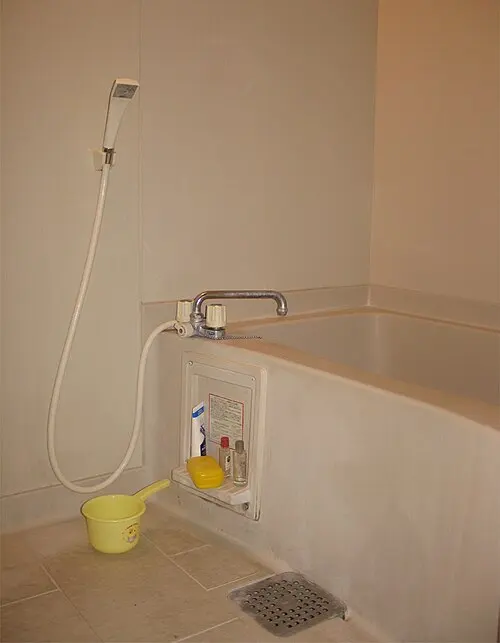

Cold changing room, hot water
The explanation usually given is a sudden swing in blood pressure caused by temperature differences. Many Japanese homes are poorly insulated and heat only the rooms in use, so the changing room and bathroom can be much colder than the living room. When you leave a warm room and undress in a cold one, your blood vessels constrict to hold on to heat, and your blood pressure rises. Then, as you sink into hot water and warm up, the vessels widen and blood pressure falls. These rapid changes put strain on the body and can lead to fainting or an irregular heartbeat. In Japan this is widely known as “heat shock.” Older people and those with conditions such as high blood pressure or diabetes are thought to be particularly at risk.
Japanese homes are said to be especially prone to these temperature gaps. A study published in 2020, which measured indoor temperatures in 2,190 homes across Japan for two weeks in winter, found that living rooms averaged 16.8°C (62°F) and changing rooms just 13.0°C (55°F). The World Health Organization recommends keeping homes at no less than 18°C (64°F) in the cold season.
When a long soak turns deadly
There is another danger that is easy to overlook: the heat of the water itself. A Japanese government-funded research group, drawing on the country’s emergency medicine, forensic medicine and balneology (the medical study of bathing) societies, reported in fiscal 2013 that sudden deaths in the bath have two main causes: heart or brain disease, and heatstroke.
Stay too long in hot water and your body temperature keeps climbing. You grow drowsy and confused, become unable to get out of the tub, and your temperature rises further until it becomes life-threatening. Alcohol and sleeping pills make this more likely. The researchers concluded that heart or brain disease is probably involved in fewer than half of these deaths. In other words, a winter bath calls for caution not only about the cold, but about the heat as well.
Bathing safely
The Consumer Affairs Agency recommends several precautions. Warm the changing room and bathroom before you bathe to narrow the temperature gap. Keep the water at 41°C (106°F) or below, and soak for no more than 10 minutes. Don’t stand up suddenly from the tub, and avoid bathing straight after a meal, after drinking alcohol or after taking medication. Let someone in your household know before you get in, and family members should check in with the bather from time to time.
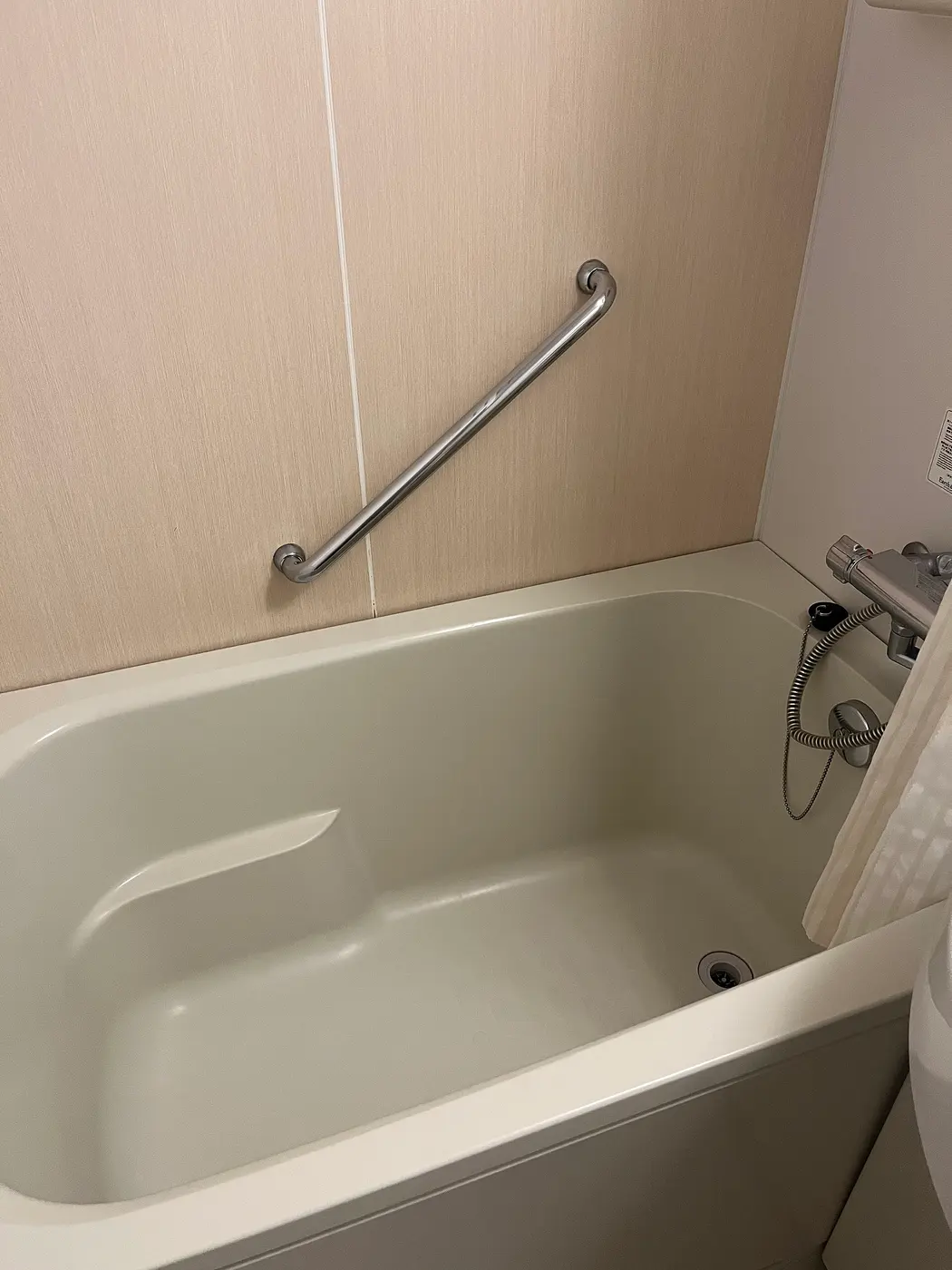

If you start to feel faint in the tub, the agency advises pulling the plug before you lose consciousness. A thermometer and a timer can help you keep track of the water temperature, the difference between rooms and how long you have been soaking. Japan even has a “heat shock forecast”: developed by the Japan Weather Association and Tokyo Gas, it gives a seven-day risk outlook for about 1,900 locations across the country every year from October to March. Most victims are older people, but anyone would do well to skip the bath after drinking or when feeling unwell.