Is the kiwifruit named after the bird?
Yes. A New Zealand exporter named it after the kiwi, the country’s national emblem, in 1959. Until then it was known as the Chinese gooseberry.
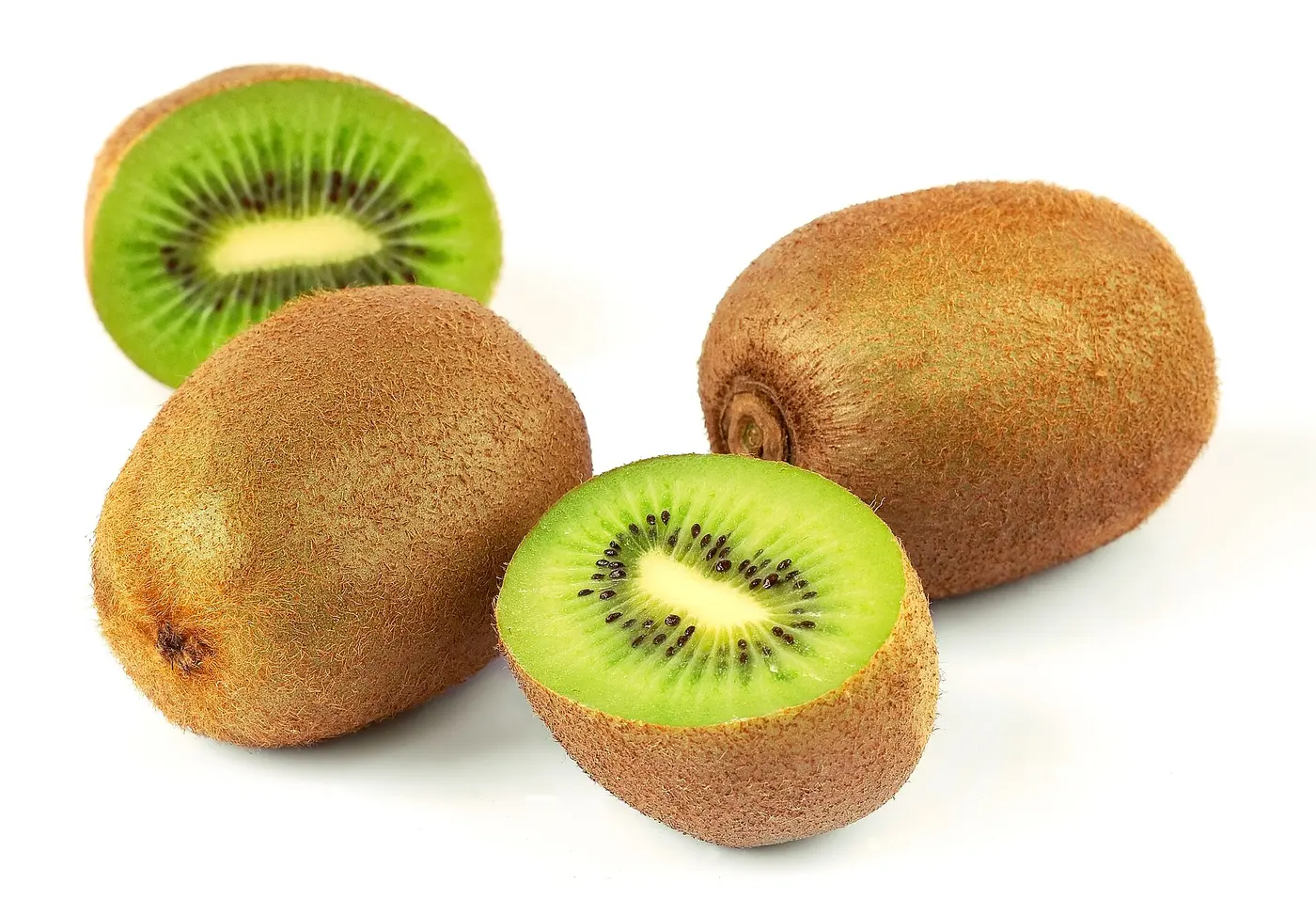
It is about the size of an egg, brown and covered in short fuzz. Cut it in half and you find bright green flesh with a ring of tiny black seeds. Most people know that the kiwifruit shares its name with the kiwi, New Zealand’s flightless bird.
Many Japanese dictionaries go a step further and say the fruit got its name because it looks like the bird. And it is true that a round, brown, fuzzy kiwifruit looks a little like a kiwi hunkered down on the forest floor. But the records left by the people who actually named it point to a different reason. For a start, the fruit isn’t from New Zealand.
The “monkey peach” crosses the sea
The kiwifruit is native to China, where it has long been called mihoutao, written with characters meaning something like “macaque peach.”
According to NZHistory, the history website of New Zealand’s Ministry for Culture and Heritage, the first seeds reached New Zealand in 1904. Isabel Fraser, the principal of Wanganui Girls’ College on the North Island, brought them home after visiting mission schools in China. A local grower, Alexander Allison, planted them in 1906, and the vines first fruited in 1910.
People thought the sweet-tart fruit tasted rather like a gooseberry, so they started calling it the Chinese gooseberry, even though it is not related to gooseberries at all. Te Ara, the online encyclopedia of New Zealand, says the fruit grew more popular in the 1930s and 1940s but remained a novelty, grown in home gardens and sold at local markets.

A hard sell
Things changed after World War II. An Auckland nurseryman named Hayward Wright had selected vines with large fruit that kept well, and in 1956 the variety was named Hayward in his honor. It is still the classic green kiwifruit today.
In the 1950s, New Zealand began exporting the fruit to the United States. According to NZHistory, this was the height of the Cold War, and the name “Chinese gooseberry” was a marketing nightmare. The exporters’ first alternative, “melonette,” went down no better with American importers, because melons and berries faced high import tariffs. There was also said to be concern that the fruit might be confused with real gooseberries and run into trouble at quarantine.
In June 1959, at a management meeting of the Auckland produce company Turners and Growers, Jack Turner, a member of the family that ran the firm, suggested the name “kiwifruit.” NZHistory says the company announced on June 15 that it would export the fruit under that name from then on. Te Ara’s Dictionary of New Zealand Biography also records that the company’s head, Harvey Turner, and his sons changed the name in order to sell the fruit in the United States. The new name gradually spread across the whole industry.
Why the kiwi?
According to one Turner family member’s recollection, as reported in a New Zealand newspaper, the company’s American agents asked for “something with a Maori connotation,” and kiwifruit was the answer. The kiwi is a bird found only in New Zealand, and its name comes from the language of the Māori, the country’s Indigenous people.
Te Ara says that by the end of the 19th century the kiwi already appeared on stamps and banknotes as an accepted national emblem. During World War I, by around 1917, New Zealand soldiers themselves were being called Kiwis, and in World War II foreigners called them that too. By the time the fruit needed a new name, “kiwi” meant not just a bird but New Zealand and its people.
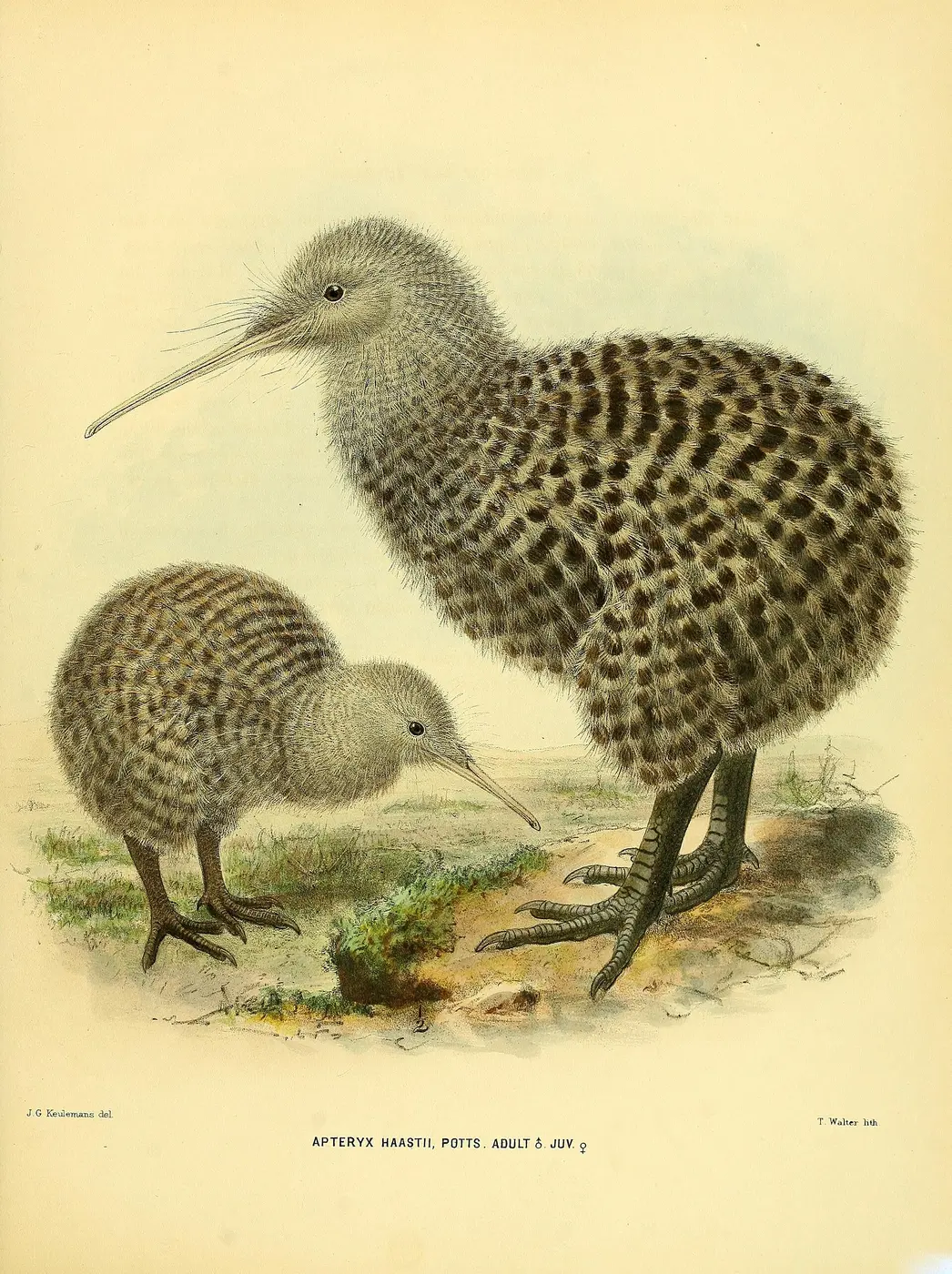

The resemblance between fruit and bird may well have helped the name catch on. But the surviving accounts suggest that the point was to drop the word “Chinese” and sell the fruit as something unmistakably from New Zealand.
The irony is that today the world’s biggest kiwifruit grower is the fruit’s original home. NZHistory notes that in 2017 China was the leading producer, with New Zealand in third place behind Italy. In Taiwan and Hong Kong, a name meaning “strange fruit,” borrowed from the sound of the English word, has caught on.