Did everyone in old Japan turn a year older on New Year’s Day?
Yes. Under “kazoedoshi,” you were one year old at birth, and everyone added a year together each January 1.
2years old
Ask people how old they are, and most will tell you the age they reached on their last birthday. One more candle on the cake each year: it feels like the way age has always worked.
Yet many Japanese people born in the late 19th and early 20th centuries grew up counting age quite differently, with a system called kazoedoshi, literally “counted years.” Under it, the whole country got a year older at the same moment: New Year’s Day.
One at birth, two on New Year’s Day
In kazoedoshi, a baby is one year old on the day it is born. Then, every January 1, everyone adds a year, regardless of when their birthday falls. The easiest way to think about it is that your age told you which calendar year of your life you were living in. The year you were born was your first year, the next one your second, and so on.
That leads to some odd results. A baby born on December 31 is one year old that day and two years old the very next morning, on New Year’s Day, when by today’s reckoning it is barely a day old.
To convert a modern age into kazoedoshi, add two if you have not yet had your birthday this year, or one if you already have. Either way, the traditional age runs one or two years ahead.
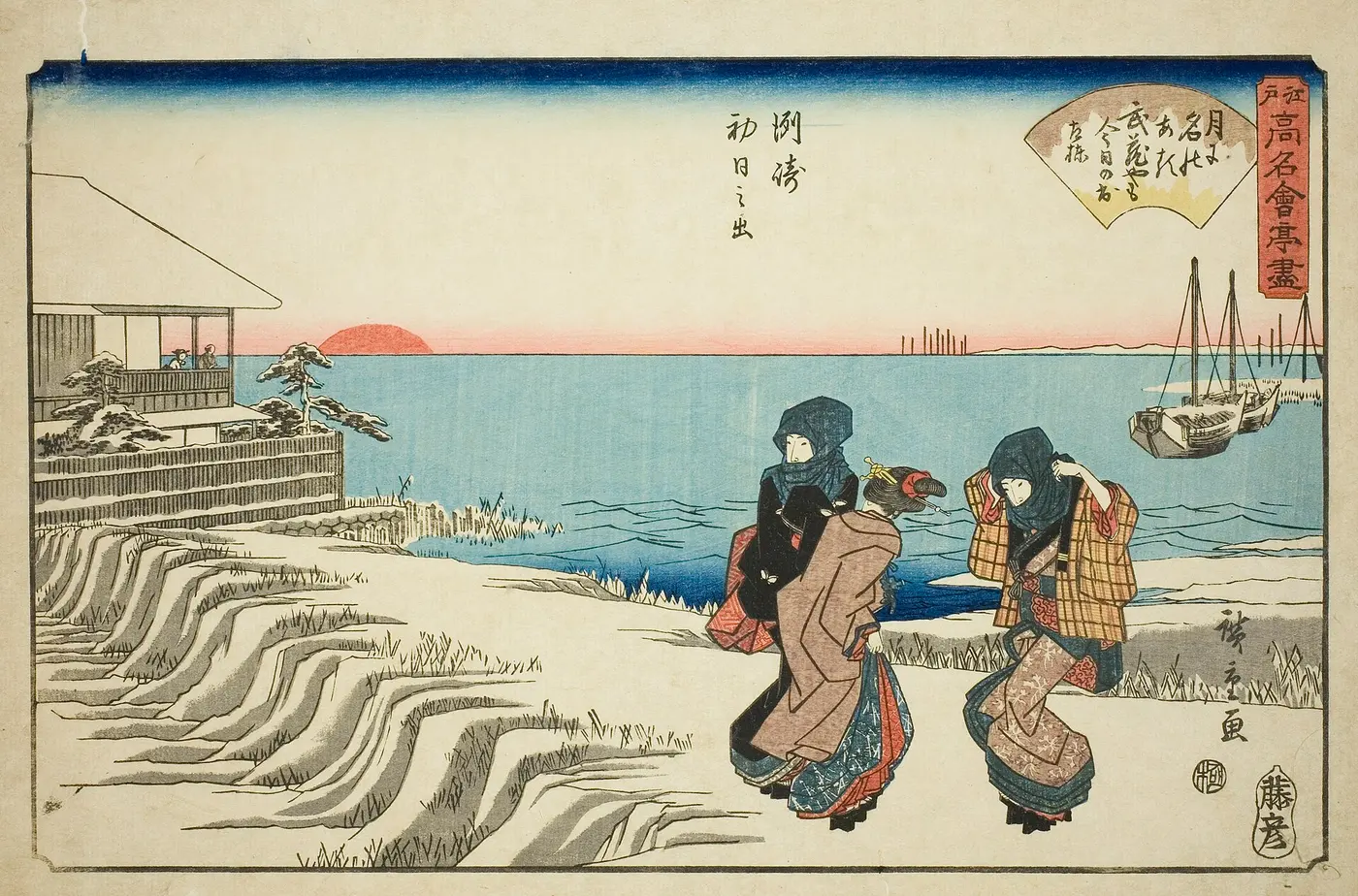

The law had switched long before
Surprisingly, Japanese law had used Western-style ages since the Meiji era. A law passed in 1902 declared that age is counted from the day of birth, and legal thresholds, such as the age for voting, were based on it.
In daily life, however, kazoedoshi carried on for nearly half a century. Even government offices used it when compiling statistics or handing out supplies, as members of parliament later pointed out.
A baby who received caramels
The change finally came with a 1949 law on how to state one’s age. The bill was put forward by 18 members of the education committee of the House of Councillors, the upper house of Japan’s parliament. Presenting the reasons for it was Yuzo Yamamoto, a well-known novelist who was then serving as a councillor.
Yamamoto gave four reasons. First, everyone would become a year or two younger, which would lift the nation’s mood without costing a single yen. Second, it would put an end to inaccurate birth registrations, such as reporting a December baby as born the following January. Third, it would bring Japan into line with Western statistics, which all used age since birth. And fourth, there was food rationing.
Food was still rationed at the time, and the amount people received was based on the calories needed at each age. In practice, though, rations were handed out by kazoedoshi. Yamamoto described a baby born one October whose family received a caramel ration the following February, because the child now counted as two years old. The baby was not even six months old and could drink nothing but breast milk.
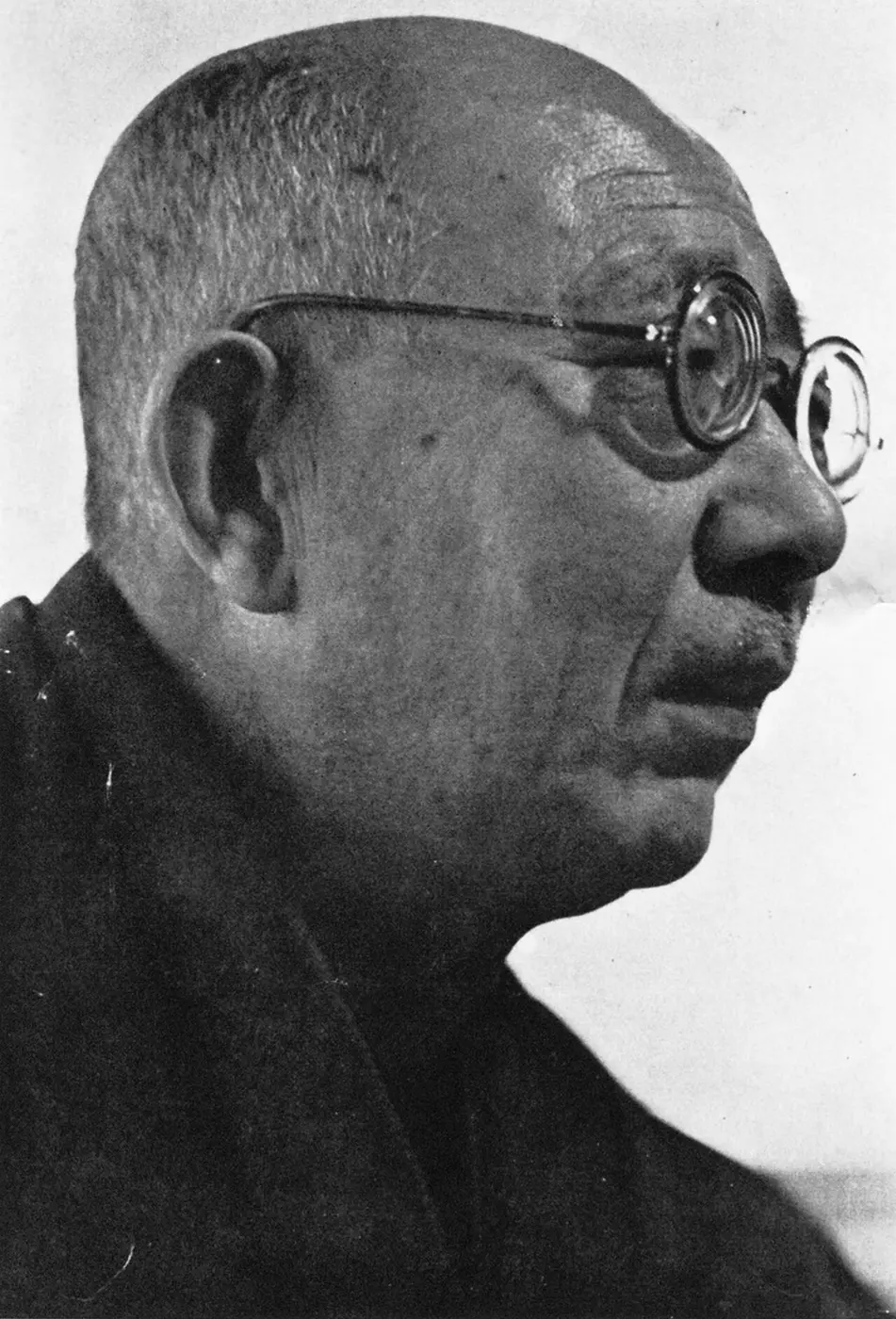

The bill passed unanimously. To give ration offices time to prepare, it took effect on January 1, 1950. It asked citizens to “make a point of” stating their age since birth, and required national and local government bodies to do so.
Still around, and South Korea’s switch in 2023
Even so, kazoedoshi has not vanished. Some customs, such as yakudoshi, the ages considered unlucky in Japanese tradition, are still usually reckoned by the old count.
Next door in South Korea, a similar system, one year old at birth and a year added for everyone on January 1, remained part of daily life for much longer. A law revised in December 2022 made age since birth the standard in legal and administrative matters from June 28, 2023. News outlets around the world reported that South Koreans had become a year or two “younger” overnight.