When did the Kamakura shogunate begin?
There is no single year. Japan’s first warrior government took shape step by step between 1180 and 1192, and depending on what you count as the start, scholars point to 1185 and several other dates.
Japanese schoolchildren have long learned the founding of the Kamakura shogunate, Japan’s first government run by warriors, with a rhyme: ii kuni tsukurō, “let’s build a good country.” The syllables double as the digits 1-1-9-2, and 1192 was the year Minamoto no Yoritomo was appointed sei-i taishōgun, the title usually shortened to shogun.
Yet the Nihon Kokugo Daijiten, Japan’s largest dictionary, notes that although the 1192 date is widely known, “hardly any researchers accept it today.” The leading view, it says, is 1185. What changed?
Twelve years in the making
The shogunate did not appear overnight. Teikoku Shoin, a textbook publisher, lists six key steps.
In 1180, Yoritomo raised an army in Izu, made the seaside town of Kamakura his base, and set up the Samurai-dokoro, an office to command his vassal warriors. According to the Nipponica encyclopedia, a ceremony at the end of that year, in which Yoritomo moved into his new residence before his assembled vassals, amounted to a declaration that a new regime had been born. For about three years he ruled eastern Japan independently of the imperial court in Kyoto.
In 1183, the court formally recognized his control of the east. In 1184, he set up offices for government business and finance and for lawsuits. In 1185, his forces destroyed the rival Taira clan at the Battle of Dan-no-ura, and Yoritomo, citing the need to hunt down his estranged brother Yoshitsune, pressed the court to let him appoint military governors (shugo) in every province and stewards (jitō) on estates. In 1190, he traveled to Kyoto, met the retired emperor Go-Shirakawa, was appointed a general of the palace guards, and was confirmed in charge of policing the whole country. Finally, in 1192, the year Go-Shirakawa died, he became shogun.
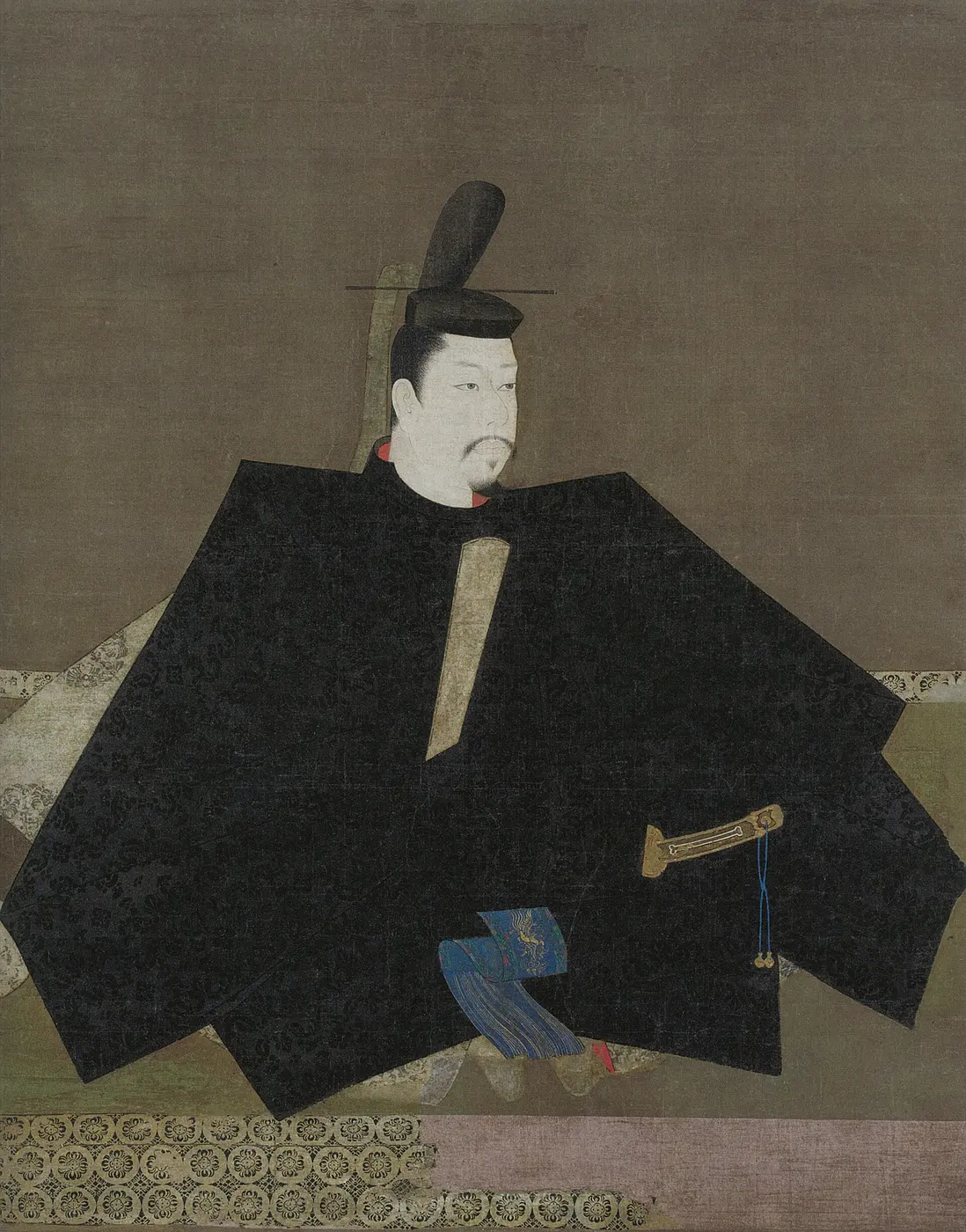

Becoming shogun is not the same as founding a shogunate
So why not 1192? According to Teikoku Shoin, the habit of calling a government headed by a shogun a bakufu, or shogunate, dates only from the late Edo period (1603–1868). The idea that becoming shogun meant founding a shogunate did not exist in Kamakura times.
Yoritomo himself does not seem to have prized the title much. According to the Heibonsha World Encyclopedia, he submitted his resignation as shogun in 1194, only two years later, and his son Yoriie did not become shogun until three years after succeeding his father.
In 2004, the literary scholar Yoko Sakurai published a document held by the National Archives of Japan: a collection of excerpts from the diary of the courtier Nakayama Tadachika and other sources. It shows that what Yoritomo asked the court for was simply the title of “great general” (taishōgun). It was the court that weighed options such as “commander-in-chief,” “general who subdues the east” and “supreme general” before settling on sei-i taishōgun. Yoritomo did not even choose the title himself.
1185 is favored, but not decisive
That is why 1185 has gained ground. Winning the right to appoint military governors and stewards gave Yoritomo’s regime a reach across the whole country, and many see that as the moment the shogunate was established.
Even so, it remains one view among several. The historian Masataka Uwayokote, who wrote the Nipponica entry on the Kamakura shogunate, argued that the theories differ because scholars understand the nature of the shogunate differently, so no single date can be declared correct. Broadly speaking, he wrote, the shogunate took shape over the period up to about 1190.
Textbooks have changed too. Teikoku Shoin says its books no longer pin the founding to one year and instead treat it as completed in stages, for example by drawing the boundary between the Heian and Kamakura periods as a slanted line on timelines. Some middle school textbooks, such as one from Nihon Bunkyo Shuppan, simply list 1183, 1185 and 1192 as competing theories.
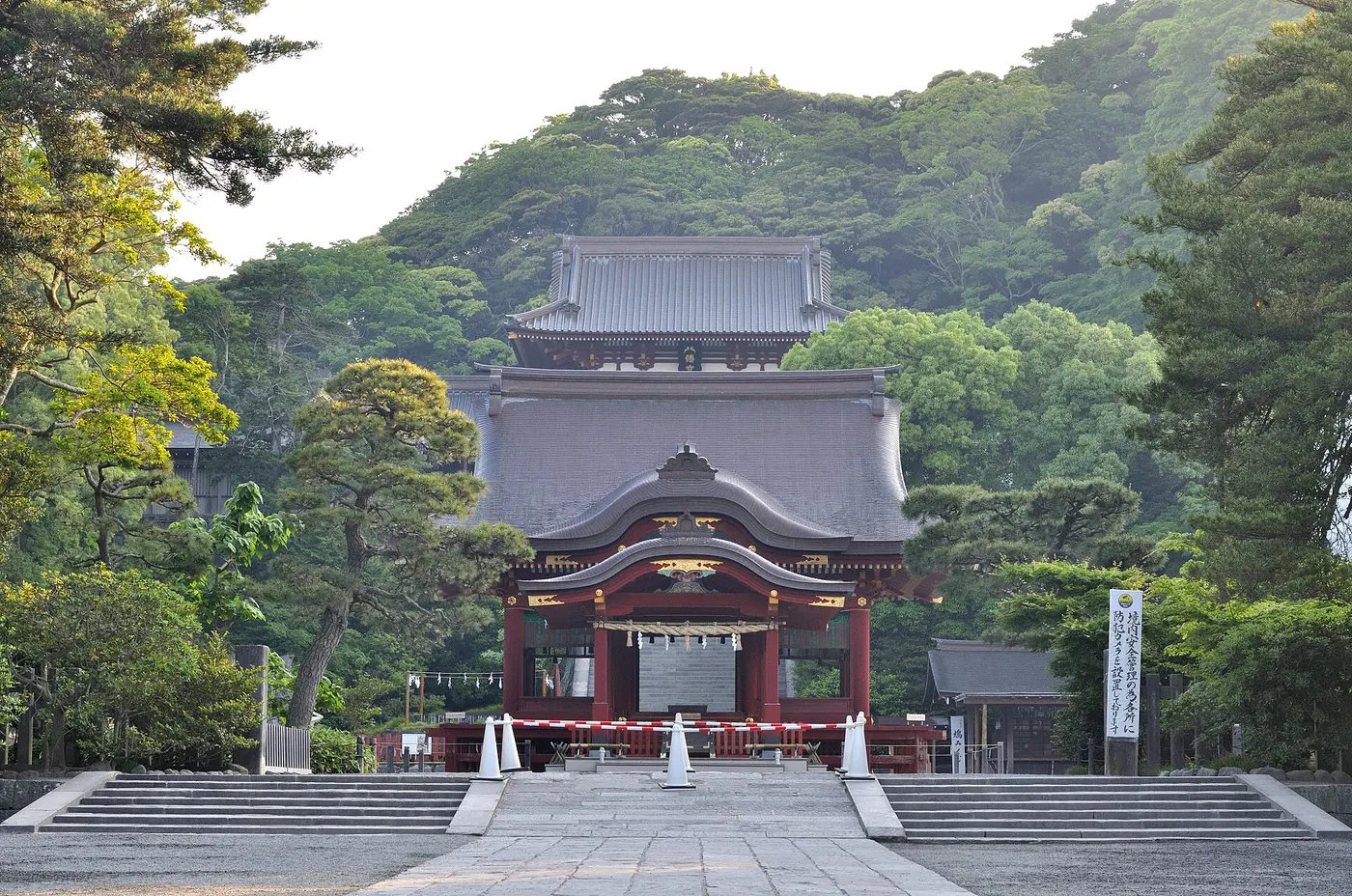

“Bakufu” originally meant a residence
The word bakufu itself comes from ancient China, where it meant the curtained field headquarters of a general on campaign. In Japan it became a Chinese-style name for the palace guards and, by extension, for a guard general and his residence. After Yoritomo was named a guard general in 1190, his residence came to be called the bakufu. The Azuma Kagami, a chronicle compiled in the Kamakura period, records that “the shogun’s residence is called the bakufu.”
In other words, in Kamakura times bakufu was not the name of a government but of the shogun’s house. According to the Kokushi Daijiten, a standard dictionary of Japanese history cited by Teikoku Shoin, the term “Kamakura bakufu” came into scholarly use only around 1887. The people of Kamakura had no idea they were living under the “Kamakura shogunate.”