How long was an hour in Edo-period Japan?
It wasn’t fixed. Day and night were each split into six parts, so one “hour” stretched or shrank from about 1 hour 20 minutes to 2 hours 40 minutes.
In a Japanese samurai drama, someone says, “Wait one koku.” How long should you wait? A day has 24 hours, and the old system divided the day into 12, so one koku (also read ittoki) should be two hours. That is the natural assumption.
But during the Edo period (1603–1868), when Japan was ruled by the Tokugawa shoguns, one koku was not always two hours. It grew longer or shorter depending on the season, and on whether it was day or night.
Day and night, each cut into six
In everyday life, people in Edo-period Japan used what is called a temporal-hour system. Day ran from ake-mutsu, “dawn six,” to kure-mutsu, “dusk six,” and night from dusk six to the next dawn six. Day and night were each divided into six equal parts, and one part was a koku.
Dawn six fell about 30 minutes before sunrise, and dusk six about 30 minutes after sunset. The day began when the sky grew light and ended when it grew dark, so even people without clocks could tell the rough time just by looking up.
Of course, the length of daylight changes a great deal through the year. Working from today’s sunrise and sunset times in Tokyo, around the summer solstice a daytime koku would last about 2 hours 40 minutes, and a nighttime one only about 1 hour 20 minutes. Around the winter solstice it was the other way round: about 1 hour 50 minutes by day and 2 hours 10 minutes by night. A koku was close to exactly two hours only around the spring and autumn equinoxes, when day and night are about equal.
To make things more confusing, calendar makers also used a unit called koku that divided the whole day into 100 parts. That koku was just 14.4 minutes. The same word could mean very different lengths of time depending on which system was in use.
Counting down from nine
The names of the hours were unusual too. Midnight and noon were both called “nine,” and the hours that followed counted down: eight, seven, dawn six, five, four, then back to nine. The numbers originally came from how many times a drum or bell was struck to mark the hour, and in time they became the names of the hours themselves. A snack eaten at “eight,” around 2 to 4 p.m., is said to be the origin of oyatsu, the Japanese word for an afternoon snack.
Why the count started at nine and went down is not really known. One theory takes the last digit of the multiples of nine (9, 18, 27 and so on); another says nine was the greatest and most auspicious number in yin-yang thought. Neither is conclusive, and there is no accepted explanation.
There was also a second naming system based on the 12 animals of the Chinese zodiac. The hour centered on midnight was the hour of the Rat, and the one centered on noon was the hour of the Horse. The Japanese words for noon, a.m. and p.m. (shōgo, gozen and gogo) still contain the character for Horse.

Telling time by the bell
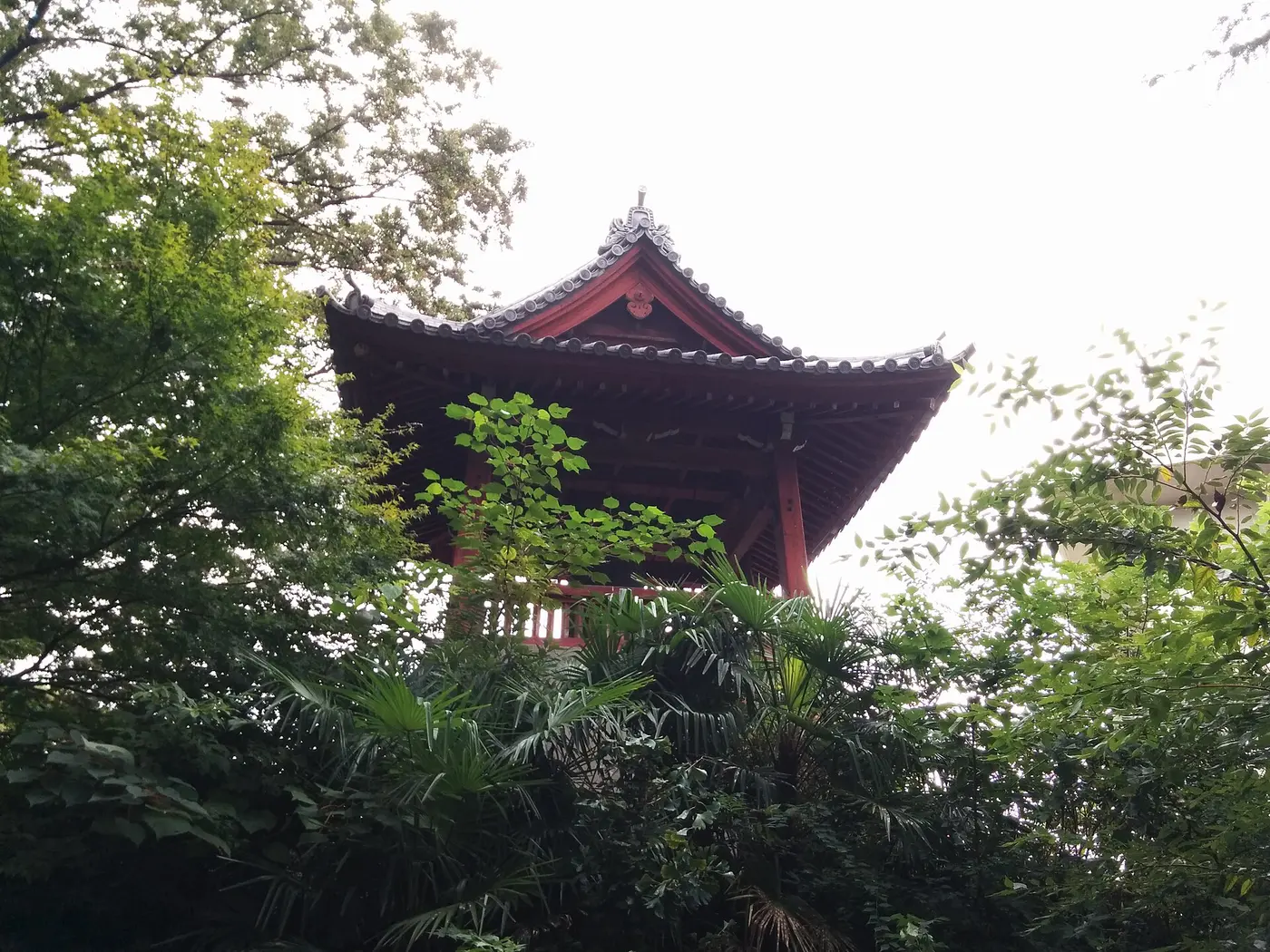
In the Edo period, clocks were owned only by a small elite, such as feudal lords and wealthy merchants. Ordinary townspeople told the time by the “time bells” rung at Honkokuchō in Nihonbashi and at several temples. Each bell first rang three “throwaway” strokes to catch people’s attention, then struck the number of the hour.
The time bell at Kan’eiji Temple in Ueno was first cast in 1666, and the present bell was recast in 1787. It is still rung at 6 a.m., noon and 6 p.m., marking the time for the Ueno neighborhood.
Clocks for stretchy hours
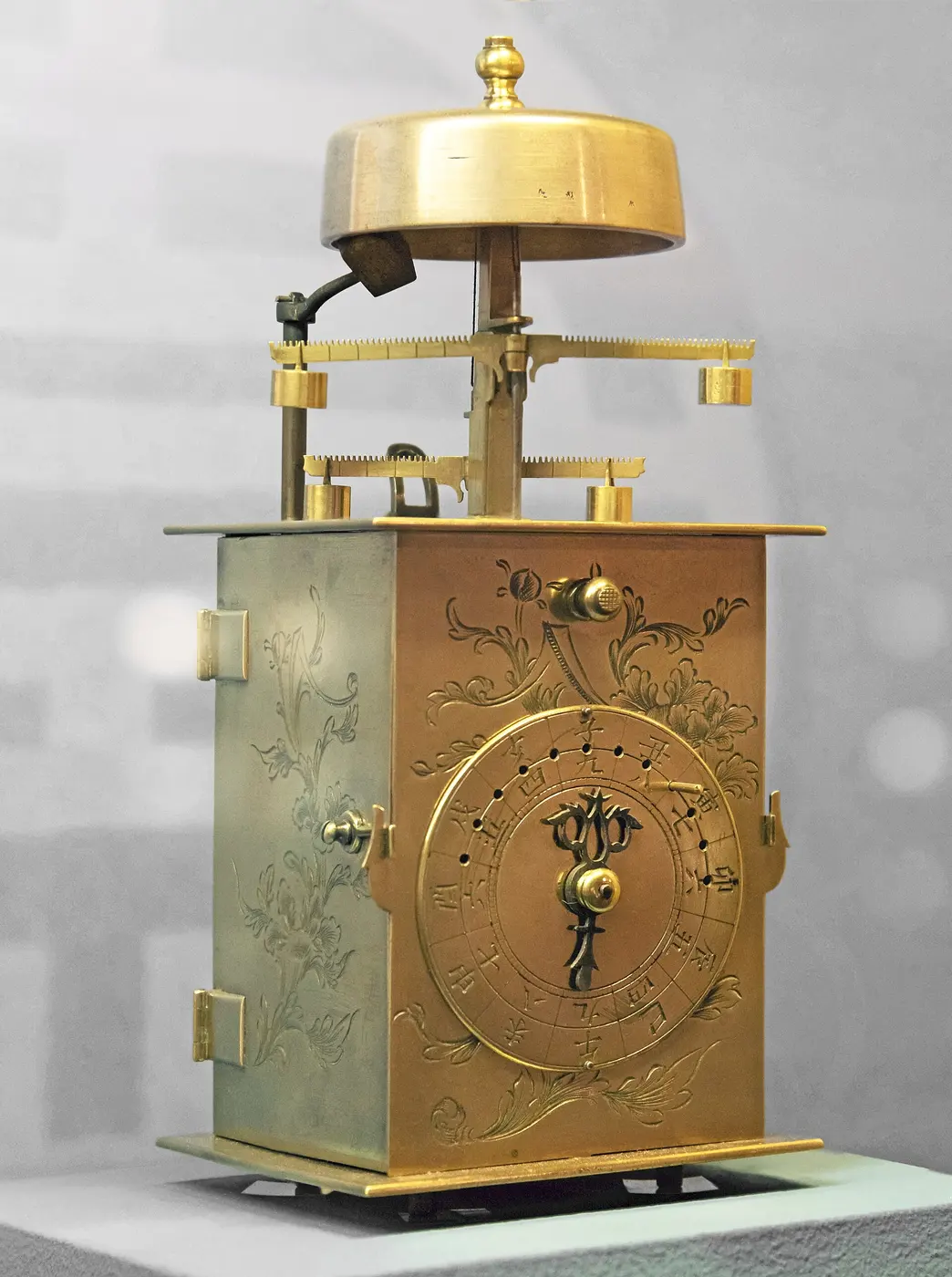
To keep up with hours that changed length, Japanese clockmakers created a distinctive type of timepiece known as wadokei, or Japanese clocks. Some had hour markers on the dial that could be moved to suit the season. Others had two foliots (the weighted horizontal bars that set a clock’s pace), one for day and one for night, and switched between them automatically.

Temporal hours came to an end early in the Meiji era. A calendar reform was proclaimed in late 1872 (on the ninth day of the eleventh month of the old lunar calendar), and from 1873 Japan adopted the solar calendar together with fixed hours that divide the day into 24 equal parts.