How did John Manjiro get to America?
After a shipwreck left him stranded for 143 days on an uninhabited island, he was rescued by an American whaling ship. He stayed aboard through nearly two years of whaling and reached Massachusetts in 1843.
143days
In the last years of the Edo period (1603–1868), few people in Japan knew America as well as Nakahama Manjiro, better known in Japan as John Manjiro. He was born to a fishing family in Nakanohama, in the domain of Tosa (now Kochi Prefecture). His father died when he was 9, and by 10 he was working for a living. Yet this boy went on to study navigation and mathematics in the United States, and later served the shogunate.
At the time, Japan was closed to the outside world, and its people were not allowed to travel abroad. So how did Manjiro end up in America?
143 days on a desert island
In January 1841, the 14-year-old Manjiro went fishing with four companions in a small boat about 8 m (26 feet) long. According to the city of Tosashimizu, his hometown today, they were caught in a storm three days later and swept away, and six days after that they washed up on Torishima, an uninhabited island about 760 km (470 miles) to the south in the open Pacific.
The five survived on a little rainwater, seaweed and seabirds. They spent 143 days on the island before a ship appeared on June 27, 1841.
The whaler John Howland
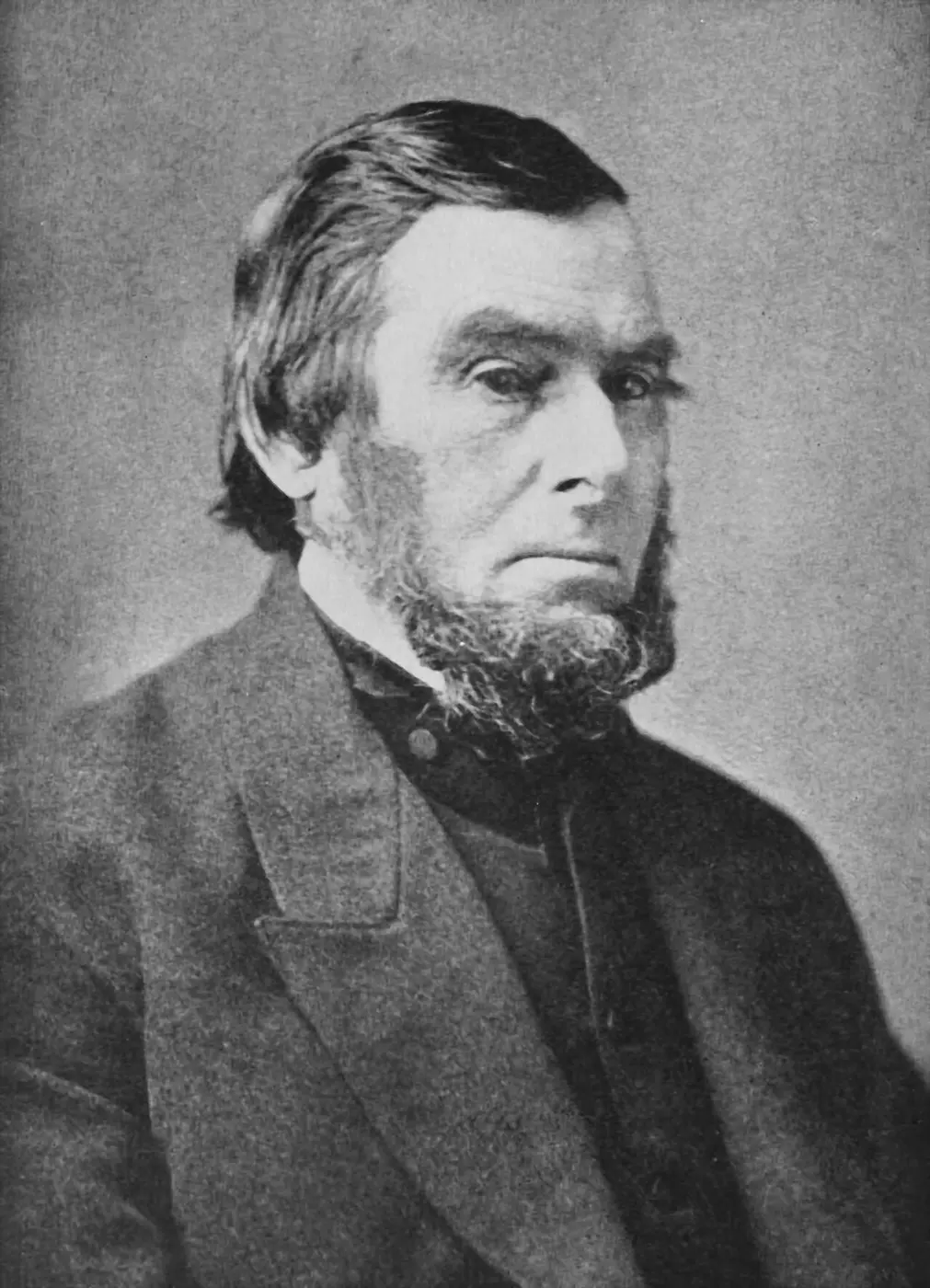
The ship was the John Howland, an American whaler under Captain William H. Whitfield. According to Tosashimizu, it had stopped at the island to gather sea turtle eggs for food when the crew spotted the castaways. Taking them home was out of the question. Foreign ships could hardly approach Japan, and in 1837 the American merchant ship Morrison had been driven off by cannon fire while trying to return Japanese castaways.
So the John Howland carried on whaling with the five aboard. According to Tosashimizu’s municipal history office, the ship reached Honolulu on November 20, 1841, and its logbook records 15 whales taken by then. The captain gave each castaway a set of clothes and half a dollar in silver, and the crew chipped in to buy them coats.
In Honolulu, Whitfield asked whether he could take the bright young Manjiro to America and have him educated. The group’s leader, Fudenojo, left the decision to the boy, and Manjiro chose to go. Leaving his four companions behind, he sailed out with the whaler again on December 1. The crew called him “John Mung,” after the ship.

The long way around
The John Howland did not head straight for America. It was a whaler, and it followed the whales. It worked its way past Guam, off Taiwan and south of the Ryukyu Islands, returned to the waters near Torishima, called at an island next to Tahiti, then rounded Cape Horn at the tip of South America and sailed north through the Atlantic.
It reached New Bedford, Massachusetts, the great whaling port, on May 7, 1843, almost two years after the rescue. Manjiro had crossed to America as a hand on a working whaling voyage. Tosashimizu describes him as the first Japanese to set foot on the American mainland.
Schooling in Fairhaven, and the way home
Manjiro settled in Fairhaven, the captain’s hometown just across the river from New Bedford. He learned to read and write English and to do arithmetic at a local school, then spent about two and a half years at a private school, Bartlett’s Academy, studying mathematics, surveying and navigation. Afterward he shipped out on the whaler Franklin. When the crew had to choose a new captain partway through the voyage, Manjiro tied with the first mate; the older man became captain, and Manjiro became first mate and second-in-command.
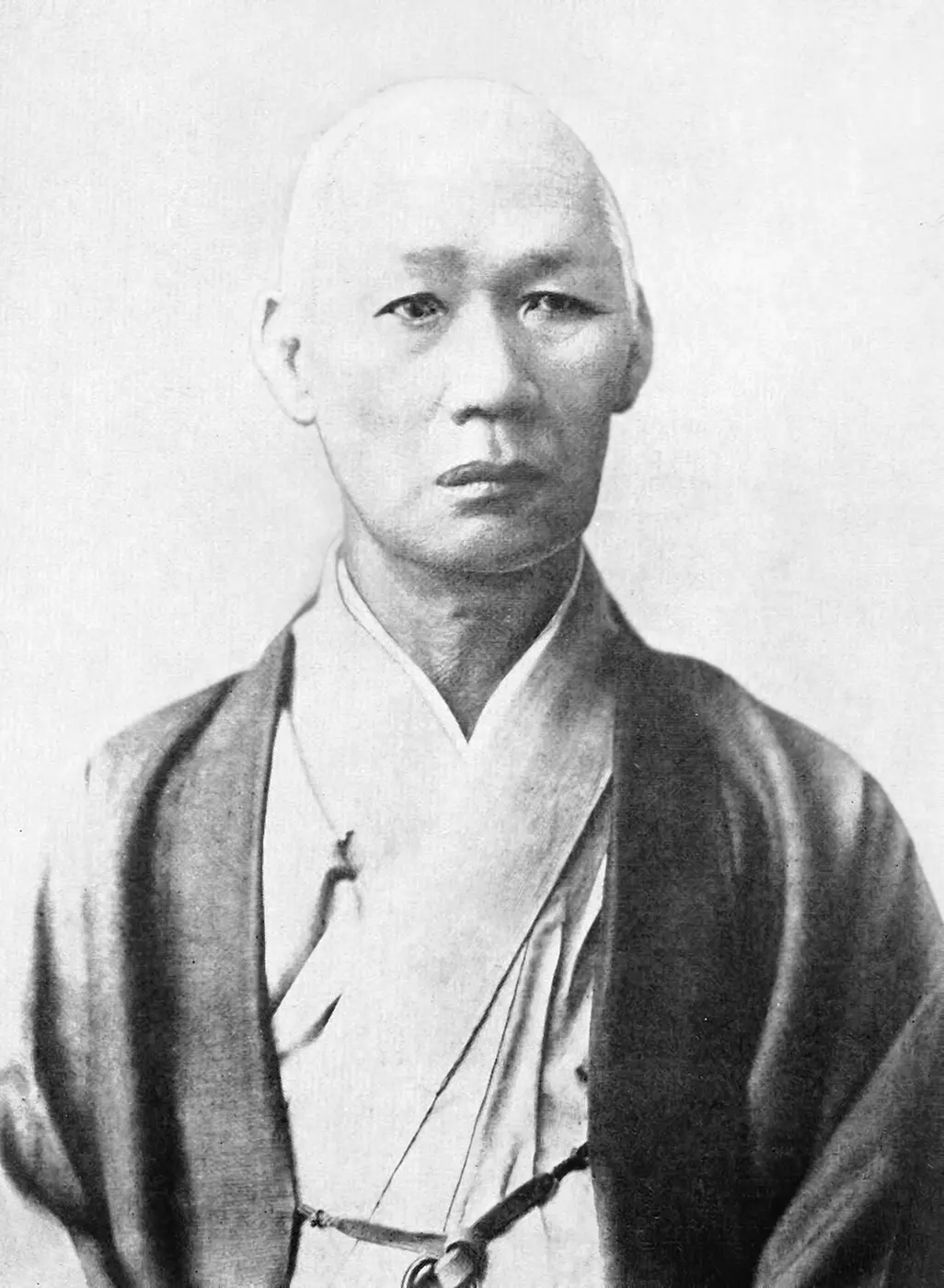

He paid for his return with $600 earned digging for gold in the California Gold Rush. In February 1851, with two of his old companions from Hawaii, he landed on Okinawa, then the Ryukyu Kingdom. After long interrogations in Satsuma and Nagasaki, he was finally reunited with his mother in 1852. Tosa made him a samurai, and in 1853, the year of Commodore Perry’s arrival, the shogunate summoned him to Edo. Around this time he took the surname Nakahama, after his birthplace. In 1859 he compiled an English conversation book, Ei-Bei Taiwa Shōkei (A Shortcut to Anglo-American Conversation).
In Japan, the name “John Manjiro” is familiar from the title of a 1937 novel by Ibuse Masuji, which won the Naoki Prize, one of Japan’s top literary awards.