When did everyone in Japan start having a surname?
Using a surname became compulsory for everyone in 1875. But most ordinary people in the Edo period already had family names.
1875
Sato, Suzuki, Takahashi: everyone living in Japan today has a family name. Yet you often hear a story that goes like this: in the Edo period (1603–1868), only samurai had surnames, and ordinary people hastily made them up after the Meiji Restoration of 1868.
Is that true? The National Archives of Japan says the idea that only samurai had surnames in the Edo period is a misconception. The key lies in the difference between having a surname and being allowed to use it in public.
A samurai privilege
In the Edo period, using a surname officially was a privilege of the samurai class, much like wearing swords. The phrase myōji taitō, “surname and sword,” sums it up: farmers and townspeople could not use a surname in public without permission from the shogunate or their local lord.
There were exceptions. According to the encyclopedia Nihon Dai-Hyakka Zensho, permission was sometimes granted to families of distinguished lineage, village headmen, town elders who helped run the cities, merchants who supplied the authorities, and people honored for devotion to their parents or other good deeds. Being allowed both a surname and swords was rare; permission to use a surname alone was easier to get.
Names in the donation books
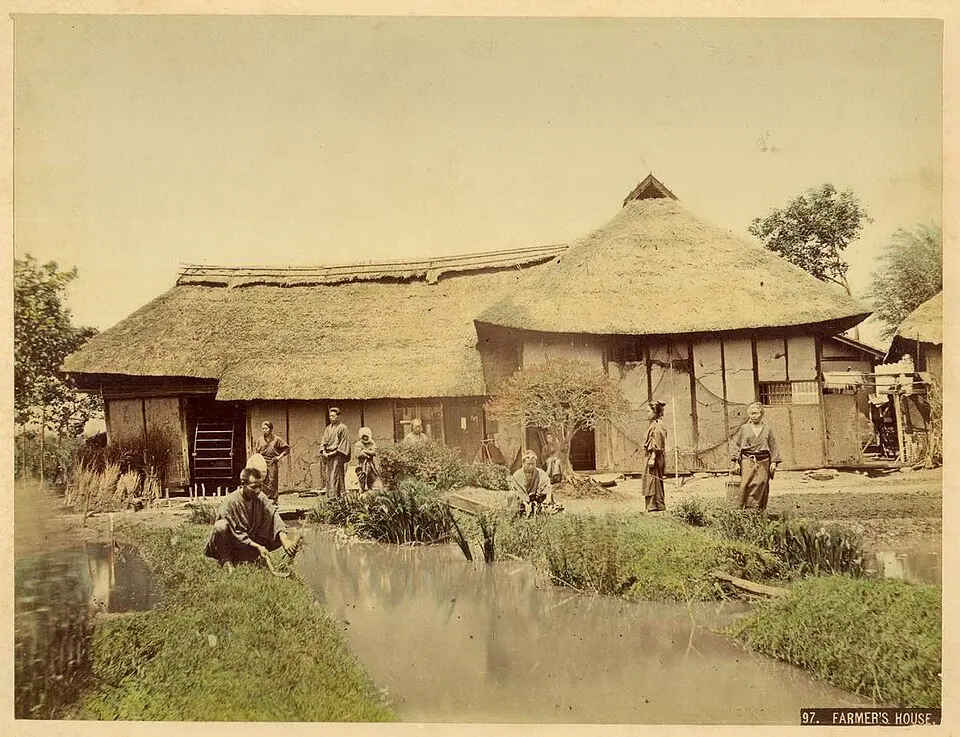
So did commoners without permission have no surnames? Not at all. The Kokushi Daijiten, Japan’s major historical dictionary, explains that farmers and townspeople sometimes used surnames privately, even though they were not allowed in official documents.
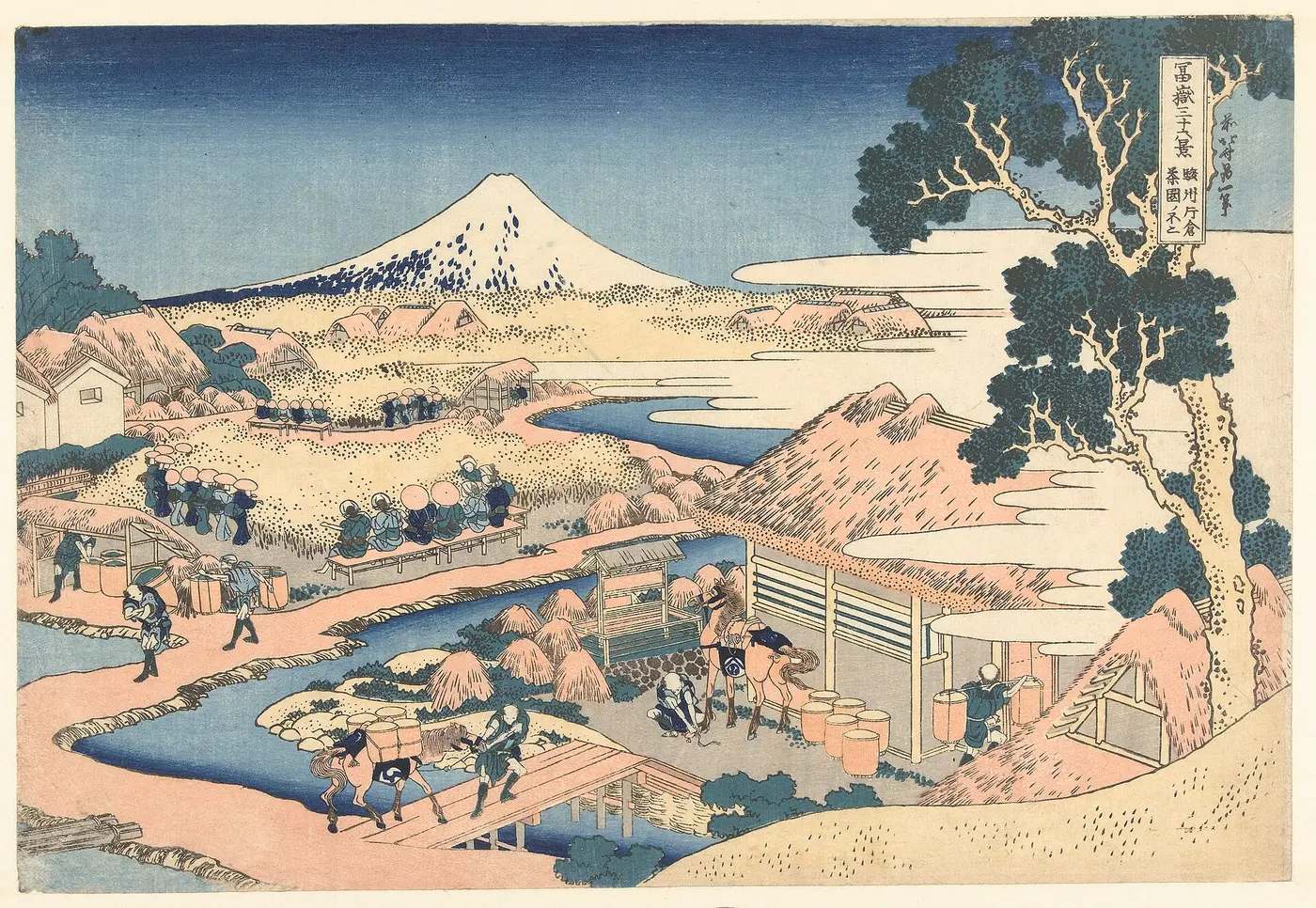
In 1952, the historian Tomio Hora published a paper titled, in translation, “Did ordinary people in the Edo period really have no surnames?” and showed that they did. Later research has turned up plenty of examples. In one village in what is now Tochigi Prefecture, a register of neighborhood groups compiled for the authorities in 1773 lists people by given name only, while the village temple’s donation book records them with surnames. A shrine in what is now Nakano, in Tokyo, keeps a record from 1846 of donations for its rebuilding in which all 85 heads of household in the village appear with surnames.
Satoshi Sakata, a historian of medieval and early modern villages, writes that this research showed that, apart from newcomers and the poorest residents, ordinary people openly used their surnames within their villages and among themselves.

Permission in 1870, obligation in 1875
When the new Meiji government began dismantling the old class system, it issued a decree on September 19, 1870, allowing commoners to use surnames. That is why September 19 is known in Japan as “Surname Day.”
Few people rushed to register, however. According to the National Archives, the reason is unclear, but one theory holds that people feared that registering a surname would mean paying more tax.
So on February 13, 1875, the government issued another decree making the use of surnames compulsory for everyone. It included a line instructing anyone who did not know their ancestral surname to create a new one.
Did people really scramble?
The new rule caused confusion in many places. The National Archives notes records of people begging Buddhist temples to give them surnames, and of village offices working together to come up with names for every household.

So it is true that some people created brand-new surnames in the Meiji era. But as the research shows, many families already had surnames before then. For them, the Meiji reforms were a chance to use, openly and officially, a name they had long used among themselves. The story that everyone scrambled to make up a surname is, at best, half true.