Did Tokugawa Ieyasu die from eating tempura?
He did fall ill after eating fried sea bream, as the records say, but he died about three months later. Stomach cancer is the more likely cause.
~3months
Tokugawa Ieyasu, the warlord who founded the Tokugawa shogunate that ruled Japan through the Edo period (1603–1868), died at Sunpu Castle, in what is now Shizuoka City, in 1616. He was 75 by the traditional Japanese count. In Japan, the best-known story about his death is that he was done in by sea bream tempura, an irresistible tale that is still told today.
But what records is it based on? Trace it back, and you can separate what the sources say from what was added later.
A source written two centuries later
The story comes from the Tokugawa Jikki, an official history that the shogunate compiled between 1809 and 1843, roughly two centuries after Ieyasu’s death.
An appendix of anecdotes includes the following tale. On the 21st day of the first month of 1616 by the old lunar calendar, Ieyasu went hawking at Tanaka, in what is now Fujieda, Shizuoka Prefecture. There he received a visit from Chaya Shirōjirō, a wealthy Kyoto merchant. Asked whether anything new was happening in Kyoto and Osaka, the merchant replied that the fashion there was sea bream fried in kaya (Japanese nutmeg-yew) oil and topped with grated garlic chives, and that it was delicious. As it happened, a retainer had just presented Ieyasu with some sea bream. Ieyasu had it prepared in the same way and ate it, and that very night his stomach began to hurt.
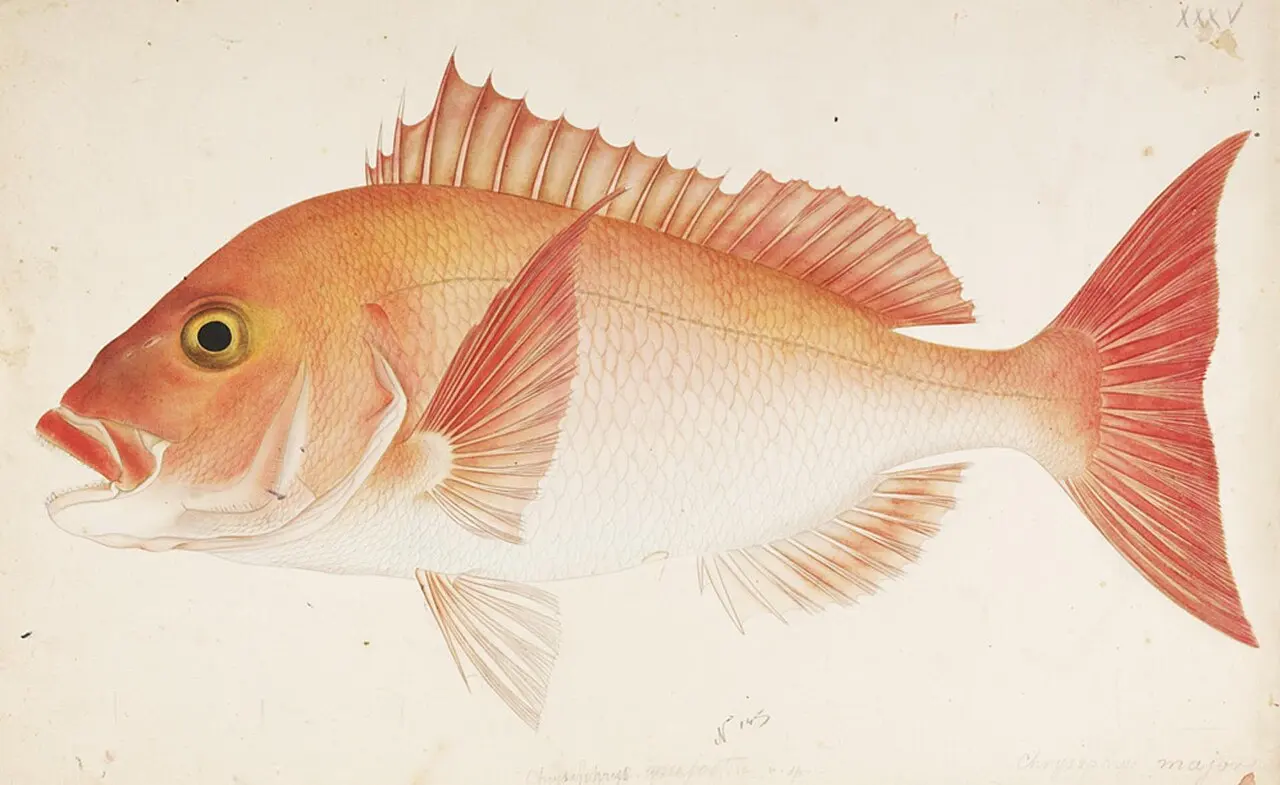

What stands out is that the word tempura never appears. The text says only that the fish was fried in oil; it does not say whether it had a batter. The main text of the Tokugawa Jikki says only that Ieyasu fell ill on the night of the Tanaka hunt, with no mention of sea bream. The authoritative Nihon Kokugo Daijiten dictionary describes the Tokugawa Jikki as largely accurate but occasionally mixed with material of a storybook character.
A shogun who mixed his own medicines
A few days later Ieyasu returned to Sunpu to recover. According to the appendix, he seemed to rally at first, but, being old, he relapsed and never really got better. His son Hidetada, the reigning shogun, hurried from Edo (now Tokyo) when he heard the news.
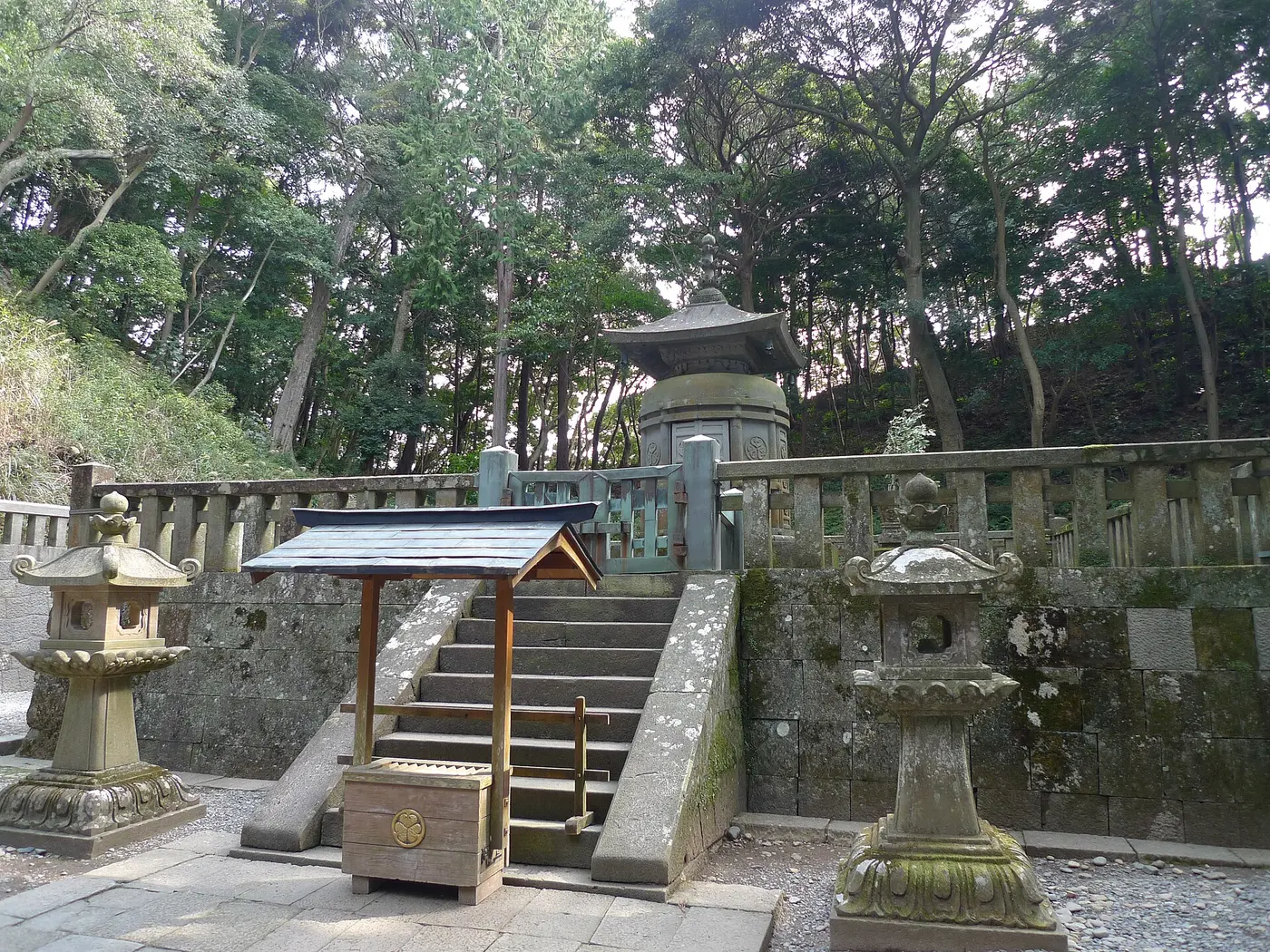
Ieyasu was known for his keen interest in medicine. According to Japan’s tourism agency, Kunōzan Tōshō-gū, the shrine dedicated to him, still holds the mortar, pestle and knife he used to prepare medicines for himself, his family and his retainers, along with bottles of powder he probably made himself.
That confidence may have worked against him at the end. According to the Kansei Chōshū Shokafu, the shogunate’s official genealogies of its retainers, Ieyasu decided that a lump in his abdomen was caused by intestinal worms, and he kept taking a powerful remedy called manbyōen, “pills for ten thousand ailments.” His physician, Katayama Sōtetsu, warned him that attacking the lump with harsh drugs would not remove it and would only sap his strength. Ieyasu flew into a rage and banished the doctor to Takashima in Shinano Province, now Suwa in Nagano Prefecture. Sōtetsu was later pardoned and returned to Edo, where Hidetada praised his warning about the medicine as the height of loyalty.
The appendix to the Tokugawa Jikki adds that toward the end of the third month, Ieyasu vomited up a dose of medicine and declared that, with his allotted span at its end, no roots or bark could hold death back. After that, he refused all medicine.
What really killed him?
Ieyasu died on the 17th day of the fourth month, nearly three months after the fish dinner. That is far too long a gap to blame food poisoning directly.
Today, based on the abdominal lump described in the records and his gradual decline, the most widely held view is that he had stomach cancer. The physician and author Shinoda Tatsuaki, who examined the medical histories of the Tokugawa shoguns in a 2005 book, also concludes that Ieyasu died of stomach cancer. The fried fish may simply have upset an already sick man. Still, no one can diagnose an illness from 400 years ago with certainty.

When did it become “tempura”?
In the records, the dish is simply sea bream fried in oil. The word tempura itself is generally said not to appear in a Japanese cookbook until about 50 years after Ieyasu’s death.
By the 1910s, however, the dish was being described as tempura. A commemorative volume published in 1915 already calls it “sea bream tempura,” although some history books from the early 1940s still called it simply “fried sea bream,” so the name was far from fixed. “Ieyasu died of tempura” rests on two leaps: calling fried fish tempura, and turning a possible trigger into the cause of death.