Who invented instant noodles?
Usually credited to Momofuku Ando of Nissin, who in 1958 created Chicken Ramen by drying noodles in hot oil.
124billion
Pour in hot water, wait a few minutes, and you have a steaming bowl of noodles. Instant ramen turns up everywhere: in kitchen cupboards, in emergency kits, in hikers’ backpacks.
According to the World Instant Noodles Association, the world ate about 124.2 billion servings in 2025. That is roughly 15 servings a year for every person on Earth. So who came up with this food?
Alone in a backyard shed
The person usually called the father of instant noodles is Momofuku Ando, founder of the Japanese food company Nissin. Born in Taiwan in 1910, Ando ran businesses in Osaka after the Second World War, until a credit union he had agreed to chair collapsed in 1957 and he lost nearly everything he owned.
What he turned to next was a ramen that anyone could make at home with nothing but hot water. He built a small shed in the backyard of his house in Ikeda, a city just north of Osaka, gathered the tools and ingredients himself, and set to work alone. According to Nissin, he kept at it for a year without a single day off, sleeping about four hours a night. He was 48 years old.
He set himself five goals. The noodles had to taste good, keep well, be easy to prepare, be cheap, and be safe and hygienic.
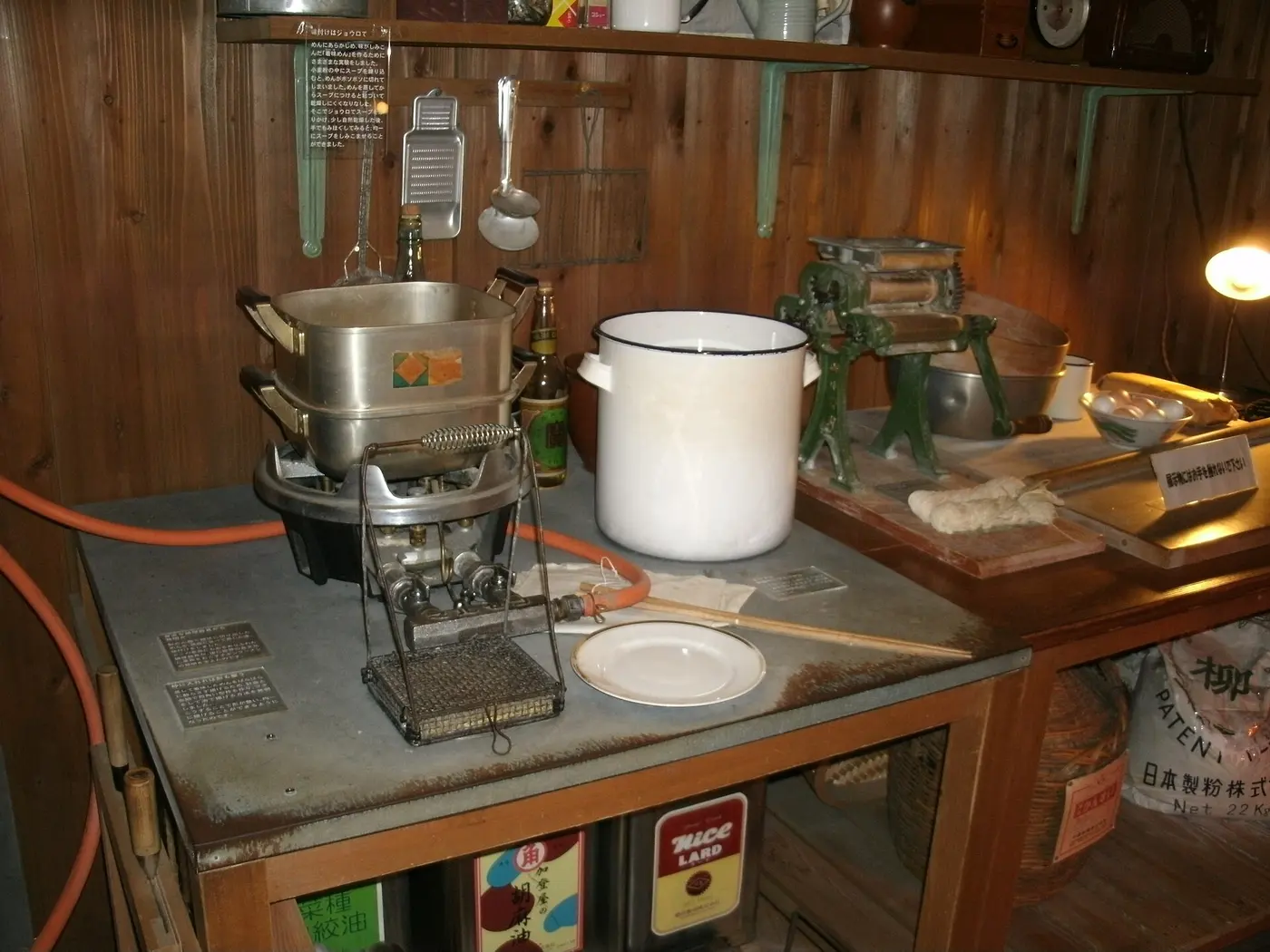

Inspired by tempura
The hardest part was drying the noodles so they would keep for a long time, yet spring back quickly in hot water. The breakthrough, the story goes, came from watching his wife, Masako, frying tempura in the kitchen.
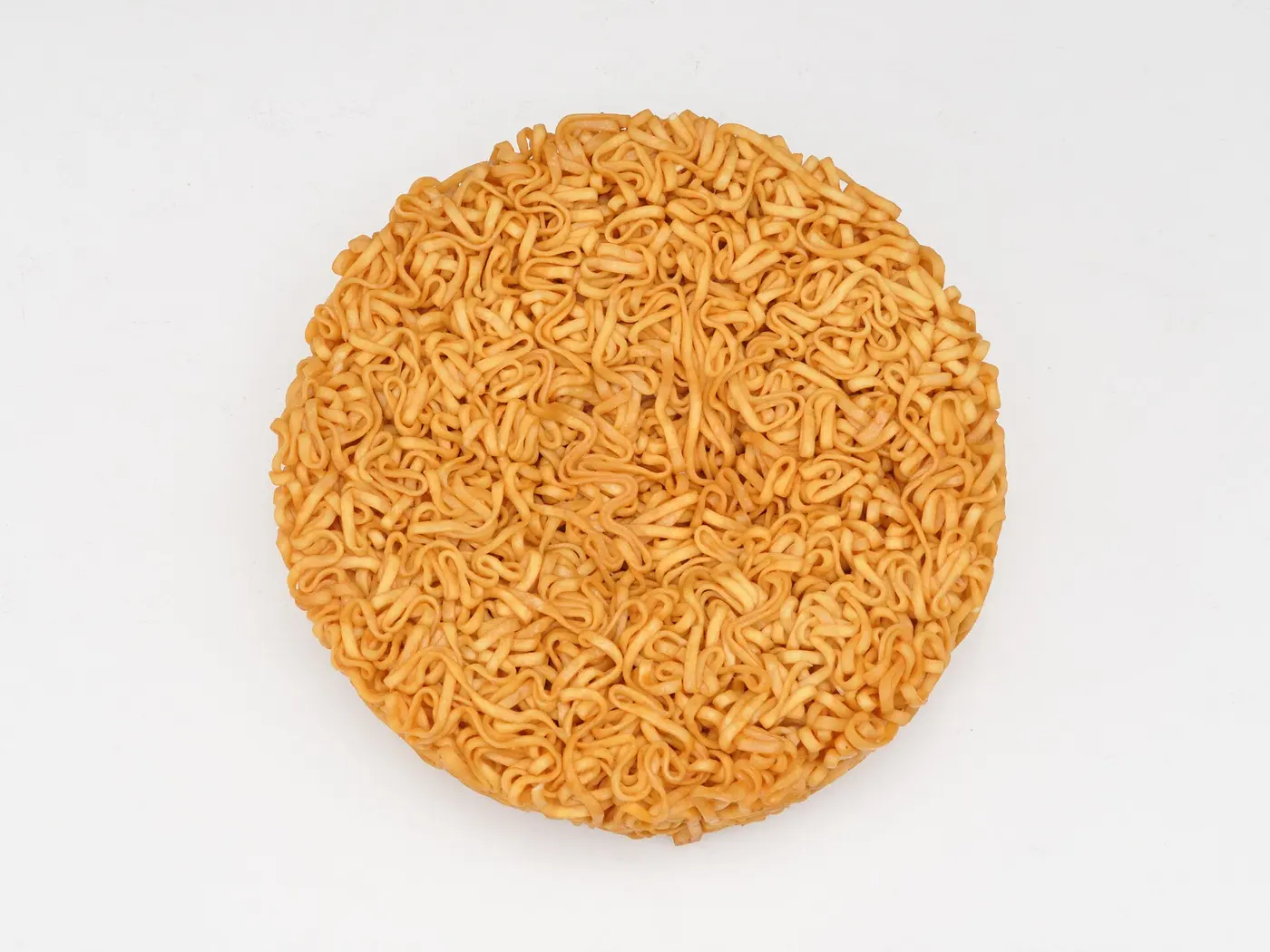
When batter hits hot oil, the water inside bursts out, leaving tiny holes behind. Ando reasoned that if he fried steamed, seasoned noodles in oil, the moisture would be driven out the same way, and that hot water poured over them later would soak back in through those holes and soften them. He called the technique instant oil-heat drying, now usually known as flash frying.
The result, Chicken Ramen, went on sale on August 25, 1958. Ready in two minutes with hot water, it was nicknamed “magic ramen.” A serving cost 35 yen at a time when a ball of udon noodles sold for about 6 yen, which made it something of a luxury. Even so, orders poured in faster than the factory could keep up.
More than one “first bowl”
Nissin was not the only company selling quick-cooking ramen in 1958, however. That spring, Toumei Shoko, run by Chang Kuo-wen, who like Ando came from Taiwan, had launched a product called Chojumen, and another firm, Daiwa Tsusho, had brought out Keishimen.
With similar products appearing one after another, disputes broke out over patents and over who could claim to be the original. In 1961, Nissin bought the patent application for “a method of making seasoned dried noodles” filed by Toumei Shoko for 23 million yen. Then in 1964, an industry association for instant noodle makers was founded in Japan, with Ando as its first chairman. Rather than keep the technology to one company, he chose to grow the industry as a whole.
So it is hard to name a single person who sold the very first instant noodles. The common view is that Chicken Ramen established the basic method still used today: steam and season the noodles, then fry them in oil to dry them.

From paper cups and forks to the world
The next turning point came on a trip to the United States in 1966. Ando watched supermarket buyers break up Chicken Ramen, put it into paper cups, pour in hot water and eat it with forks. In countries without ramen bowls or chopsticks, he realized, the noodles should be sold in their own container. He set to work on a noodle in a cup.
Cup Noodle, launched on September 18, 1971, became the world’s first cup noodle product. It is packed with small clever touches, such as holding the block of noodles suspended in the middle of the cup so it is less likely to break in transit.
Instant noodles went on to cross borders everywhere, and today they are eaten in especially large numbers in China and Hong Kong, Indonesia and India.