Who was the “Elise” of Beethoven’s Für Elise?
Nobody knows for sure. Several candidates have been proposed, including Therese Malfatti.
E, D-sharp, E, D-sharp, E… Hear that gently rocking opening and most people can name the piece at once. Beethoven’s Für Elise (“For Elise”) is a staple for piano students and one of the best-loved piano pieces in the world.
Famous as it is, nobody knows for certain who the “Elise” in its title was. The key piece of evidence—the autograph score in Beethoven’s own hand—has gone missing.
A piece found after the composer’s death
Für Elise is formally a bagatelle (a short piece) in A minor, catalogued as “WoO 59” among Beethoven’s works without an opus number. It was not published in his lifetime.
The man who brought it to the world was the German music scholar Ludwig Nohl. In 1865, Nohl was allowed to copy an autograph score owned by a woman named Babette Bredl, and he published the piece in 1867, 40 years after Beethoven’s death. According to Nohl, the score bore an inscription meaning “For Elise, on April 27, as a remembrance from L. v. Beethoven.” The date is thought to be from 1810.
The autograph later disappeared, however, and has never been found. The name “Elise” that we know rests entirely on the letters Nohl copied down.
The leading candidate: “Therese”
That gave rise to a theory: perhaps “Elise” was Nohl’s misreading. In the first half of the 20th century, the German scholar Max Unger suggested that the original title might have been “Für Therese.”
The candidate was a woman named Therese Malfatti, a friend and piano pupil of Beethoven’s. Around 1810, Beethoven is said to have intended to propose to her. What’s more, Bredl’s son later inherited Therese’s music scores. If the autograph had come from Therese’s possession, the story hangs together. Beethoven’s handwriting was famously hard to read, so “Therese” could plausibly have looked like “Elise.”
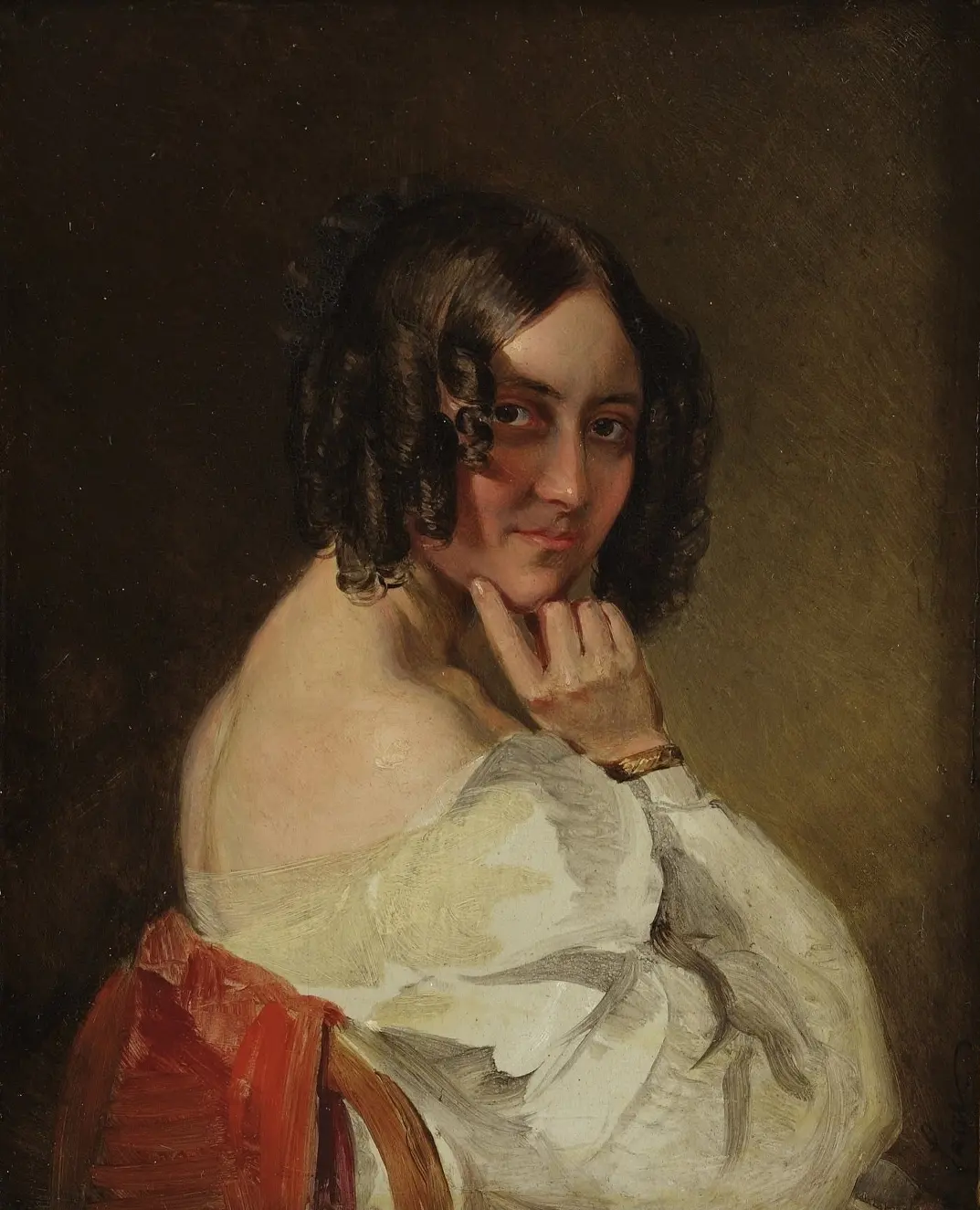

This “Therese theory” was long repeated almost as established fact. But with the autograph lost, there is no way to confirm that it really was a misreading.
Two new “Elises”
In the 21st century, a series of studies has asked whether there really was a woman named Elise.
In 2010, the German musicologist Klaus Martin Kopitz proposed the soprano Elisabeth Röckel. She was the sister of Joseph August Röckel, a singer who appeared in Beethoven’s opera Fidelio, and in 1810 she was 17. She is said to have sometimes been called “Elise,” and Kopitz believes Beethoven may even have wished to marry her. In 1813, Elisabeth married the composer Hummel, who was also a friend of Beethoven’s.
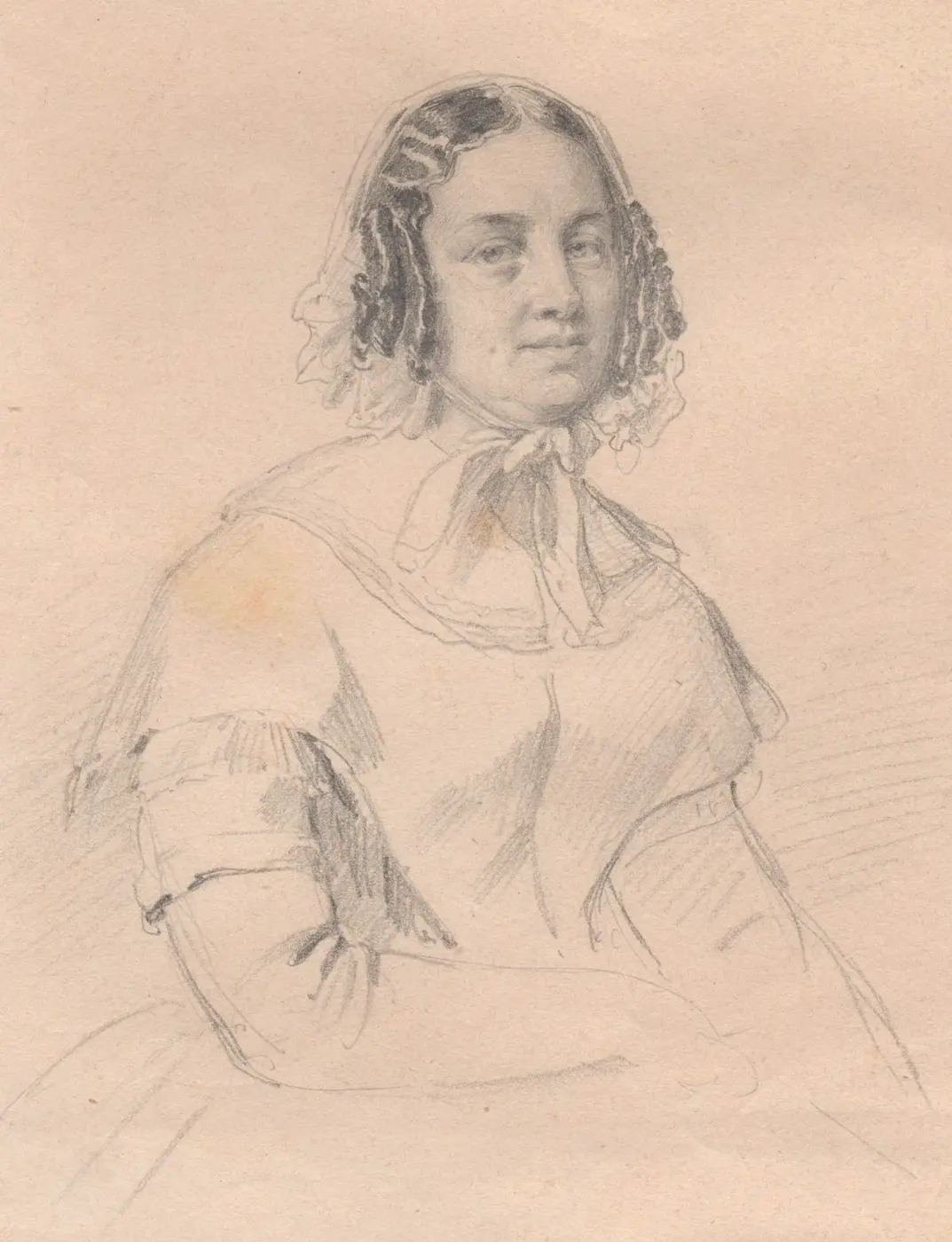

In 2014, the music historian Rita Steblin put forward another candidate: a girl named Elise Barensfeld. She was 13 at the time and is said to have been known as a child-prodigy singer. Steblin herself, however, acknowledges that the theory is uncertain.
A masterpiece that stays a mystery
In the end, no decisive evidence of Elise’s identity has yet been found. Therese, Elisabeth, or someone else entirely? Unless the autograph turns up again, there may never be an answer.
Research on the music itself, meanwhile, has moved forward. Beethoven is known to have reworked the piece around 1822, and a revised version with a substantially different accompaniment has been deciphered from his manuscript by the scholar Barry Cooper. It is thought that the older Beethoven may have planned to add this little piece—written as a gift for someone close to him—to a collection of bagatelles.