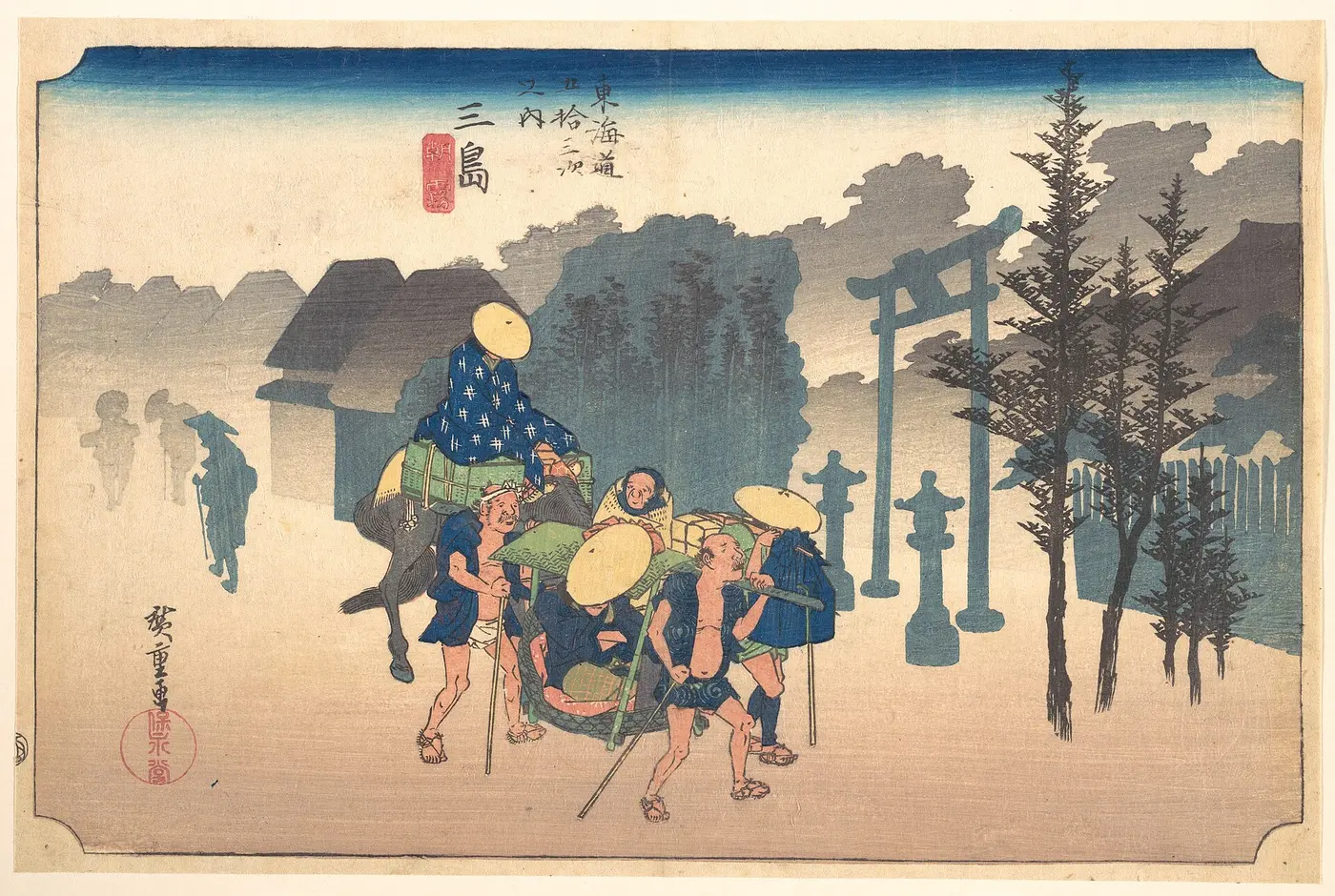
What’s the difference between fog and mist?
How far you can see. If visibility is under 1 kilometer, it’s fog; if it’s 1 kilometer or more, it’s mist. Both are made of tiny water droplets, and mist is simply thinner.
1km
Look out the window on a damp morning and the houses across the street may have faded into a soft white blur. Is that fog, or is it mist? In everyday speech the two words are almost interchangeable. To meteorologists, though, the difference comes down to a single number.
The 1-kilometer line
The UK Met Office defines fog as “obscurity in the surface layers of the atmosphere, which is caused by a suspension of water droplets.” If the visibility is less than 1,000 meters (about 0.6 miles), it is fog. If you can see 1,000 meters or more, it is mist.
In other words, fog and mist are made of the same thing: tiny droplets of water floating in the air. The only difference is how thick they are. Mist is simply fog that you can see farther through.
The Met Office adds that in forecasts for the public, “fog” generally means visibility below 180 meters (about 200 yards). When visibility falls below 100 meters (330 feet), it becomes dense fog, which can cause severe travel disruption.
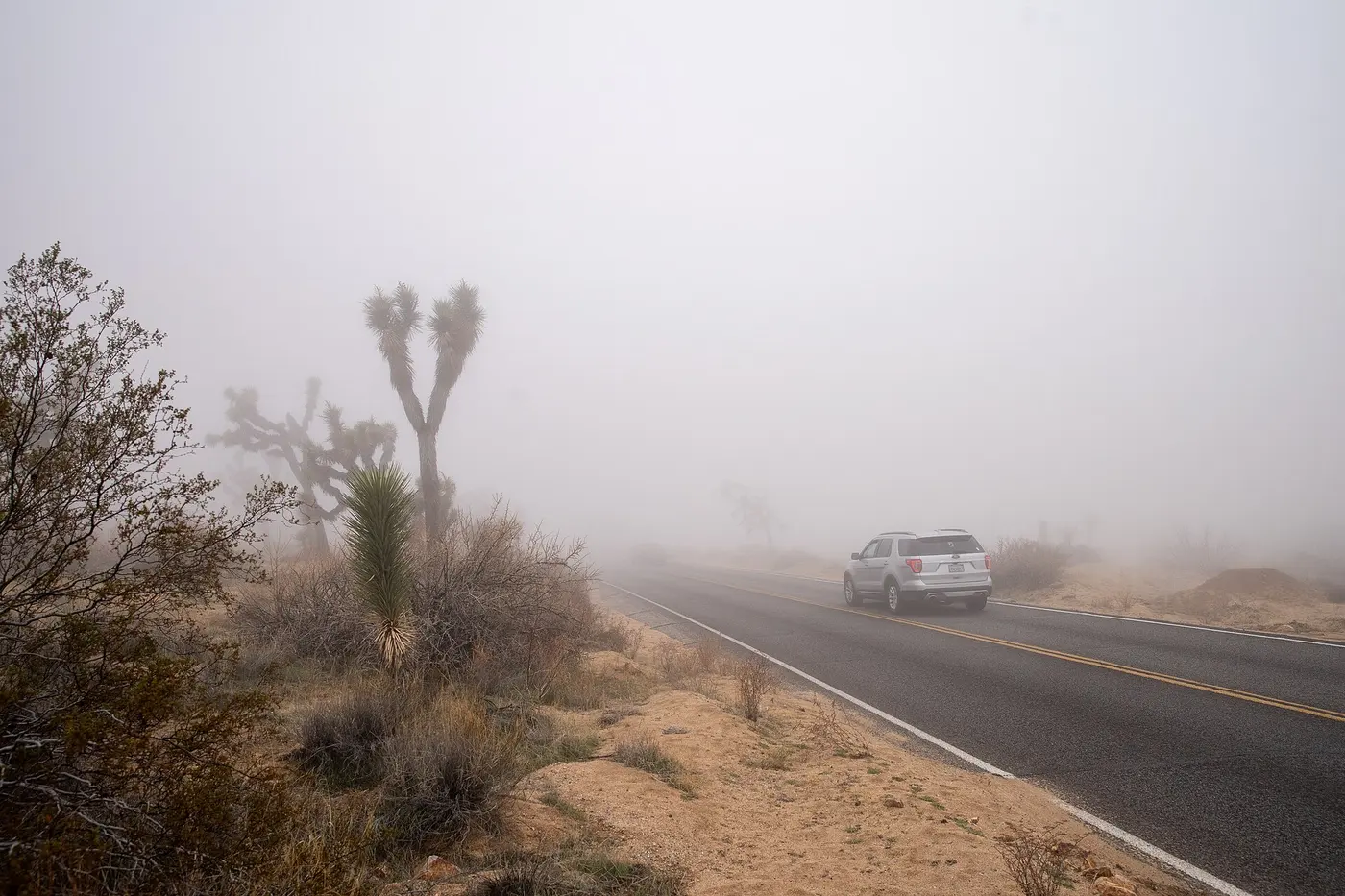

Haze is something else. It is not made of water droplets at all, but of extremely small, dry particles of dust, smoke or pollution suspended in the air. Each particle is too small to see, but together they give the air a milky, opalescent look.
Pilots meet the same distinctions in the coded weather reports issued by airports. Fog is reported as FG and haze as HZ. Mist is BR, from brume, the French word for mist.
Japan’s kiri and moya
Japan draws the line in the same place. The Japan Meteorological Agency (JMA) defines kiri, fog, as a state in which tiny suspended water droplets reduce visibility to less than 1 kilometer, and moya, mist, as visibility of at least 1 kilometer but less than 10 kilometers, caused by tiny droplets or damp particles. According to the Nihon Kokugo Daijiten, the largest dictionary of the Japanese language, the air in mist is less humid than in fog, and mist looks grayish.
Dense fog is fog with visibility of about 100 meters or less on land, or 500 meters or less at sea, the same threshold the agency uses for its dense fog advisories. A view blurred by dry particles rather than droplets is called enmu, the counterpart of haze.
Japanese forecasters do treat the two words differently, though. The JMA sorts its vocabulary into terms for forecasts and warnings, terms for press releases and explanatory materials, and terms to avoid. Kiri is a forecast term; moya is only for explanations. Of the 15 categories the agency uses to describe the weather in Japan, from clear skies to thunder, fog is one and mist is not.
Kasumi, a word for poets
Japanese has a third word for a hazy view: kasumi. The JMA lists it among the terms to avoid, with a blunt note: it is not defined in weather observation, so it is not used. Kasumi refers loosely to any view softened by fog, mist or dust.
It is, above all, a poet’s word. According to the Nihon Kokugo Daijiten, kasumi and kiri once described much the same thing, in any season. A poem in the Man’yōshū, an eighth-century anthology, speaks of morning kasumi trailing over the ripening ears of autumn rice. Yet even in the Man’yōshū there is a tendency to link kasumi with spring and kiri with autumn, and from the Kokinshū, an anthology compiled in the early 10th century, poets kept the two clearly apart.
In haiku today, kasumi is still a seasonal word for spring, and kiri one for autumn. Poets more than a thousand years ago divided these veils by season. Modern meteorologists divide them by distance.