What’s the difference between crayons and Cray-Pas?
The recipe. Crayons are mostly wax, so they are hard and good for lines. Cray-Pas, a kind of oil pastel, contain more oil and filler, so they are soft and easy to blend and layer.
1925
In Japan, almost every child meets two kinds of drawing sticks in kindergarten: crayons and kurepasu. Both come wrapped in paper and lined up in a box, and they look almost exactly alike.
They are not the same, though. Kurepasu, sold abroad as Cray-Pas, is a product name and a registered trademark of the Japanese art supply maker Sakura Color Products. The relationship between the two goes back to a movement to change how Japanese children were taught to draw.
Different recipes
According to Sakura, a crayon in its original form is pigment bound with solid wax. It is hard, sticks firmly to paper and does not leave your hands greasy, but it glides over the paper, so it is mostly good for drawing lines.
Pastels, on the other hand, are pigment held together with a binder. They can be blended and smudged on the paper, but because the pigment simply sits rubbed into the surface, a finished picture has to be sprayed with fixative to keep it from flaking off.
Cray-Pas combines pigment with wax, liquid oil and an “extender,” a powder that adds body. According to Sakura, it contains much more extender and oil than a crayon, and less wax. That makes it soft: good for filling in large areas, mixing colors on the paper and layering one color over another so the lower one is hidden. Crayons, being harder, are better for fine lines and for rubbings that pick up small bumps in a surface.
To make things more confusing, most crayons made in Japan today also contain some extender and oil, to make them smoother. According to Sakura, the two now use almost the same ingredients, and the difference lies in the proportions. Outside Japan, the company says, hard crayons made only of wax and pigment still seem to be the norm.
Free drawing and the crayon
Crayons spread in Japan in the Taishō era (1912–1926). According to the Japanese encyclopedia Nipponica, Japanese crayons were modeled on crayons imported from the United States in 1917.
At the time, art lessons in Japanese schools consisted mainly of copying model pictures as exactly as possible. The printmaker and painter Yamamoto Kanae challenged that. Drawing on what he had seen in Russia, he launched a “free drawing” movement in December 1918, encouraging children to draw what they saw and felt. In 1919 the Japan Children’s Free Drawing Association was founded, and exhibitions of children’s crayon drawings were held across the country.
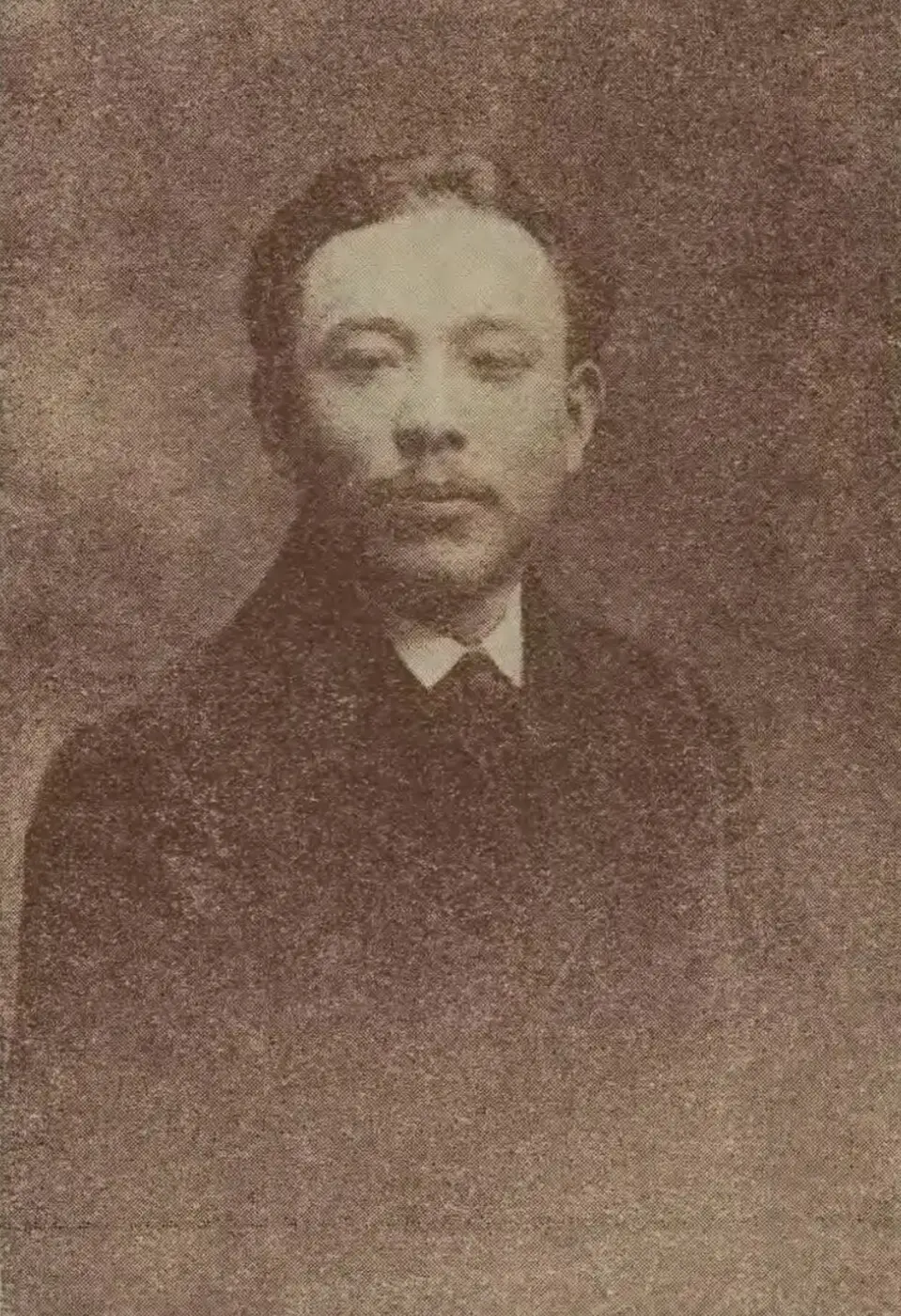

Supporters of the movement founded the Japan Crayon Company in 1921. According to the company’s own history, it was renamed Sakura Crayon Company that September, and in 1922 it held an exhibition of crayon drawings in Tokyo.
The best of both
Crayons of the day, however, were hard and could not easily be blended or layered. According to Sakura, there was growing demand for a crayon that could be mixed and spread on the paper like a pastel.
The goal was a drawing material that blended freely like pastel, needed no fixative like crayon, and could be laid on thickly like oil paint. After much trial and error, the result went on sale in 1925. Its name joined the first sounds of kureyon (crayon) and pasuteru (pastel), and it was registered as a trademark the same year. According to an exhibition note on the National Art Center, Tokyo’s Art Commons database, it was developed under the guidance of Yamamoto Kanae.
The first Cray-Pas got harder or softer with the weather, so two versions were sold: a firm one for summer and a soft one for winter. A formula that behaved the same all year round arrived in 1928. Boxes from that time were labeled “The real Cray-Pas,” because so many imitations had appeared. In 1970 the company renamed itself after its invention, becoming Sakura Color Products, or Sakura Kurepasu in Japanese.
The generic name: oil pastel
So what do you call this kind of drawing stick if it isn’t made by Sakura? According to the company, the generic name is “oil pastel,” in Japanese as in English.
You often hear Cray-Pas described as “a mixture of crayon and pastel,” or “halfway between crayon and pastel.” The company says these phrases are garbled versions of its original advertising slogan, which called Cray-Pas a new drawing material combining the strengths of both, and that they invite misunderstanding.
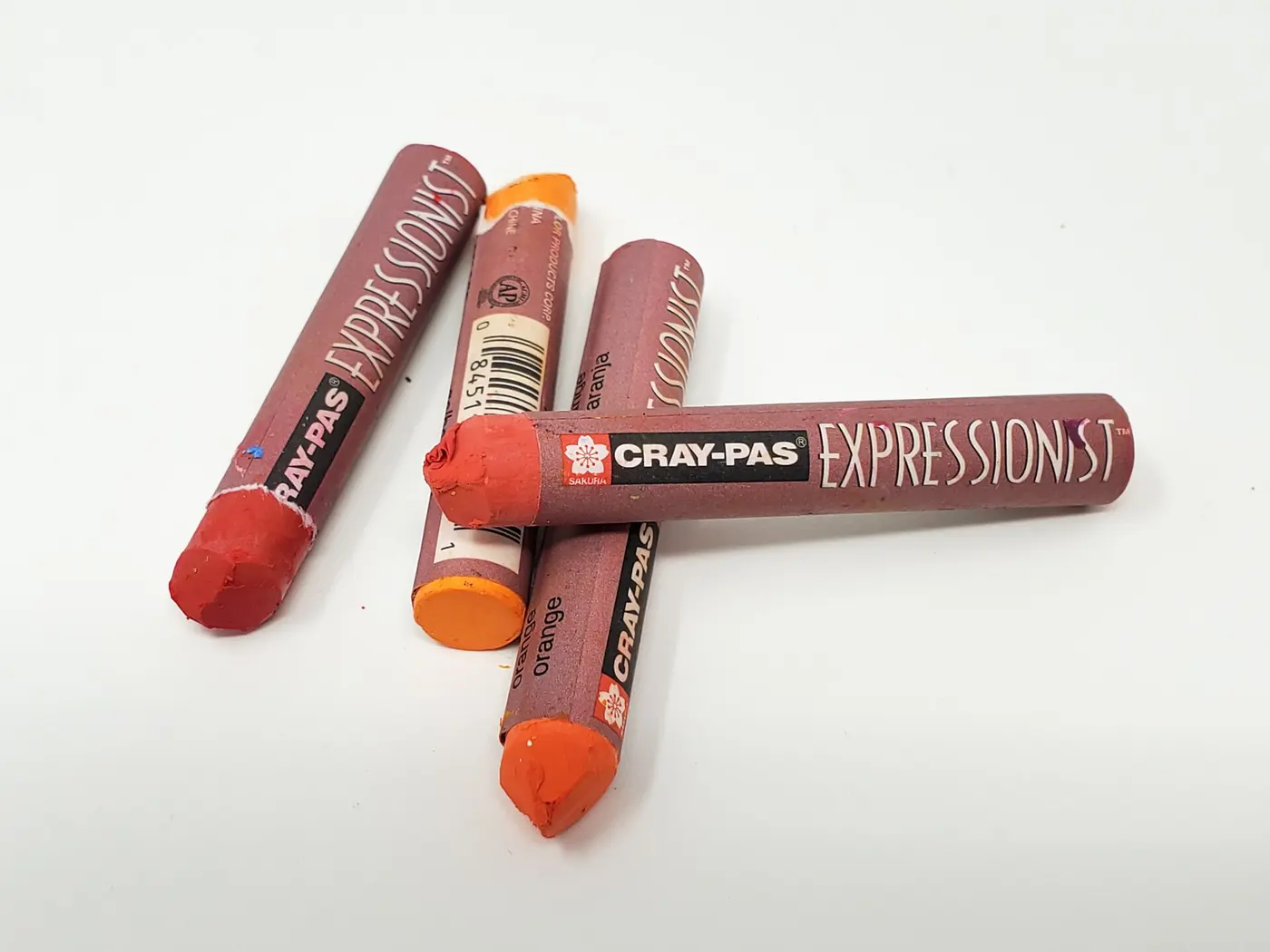

Cray-Pas is often thought of as a children’s material, but artists have used it, too. According to the same exhibition note, after World War II, when imported oil paints were hard to come by, it served as a substitute. The exhibition included Cray-Pas works by Yamamoto Kanae, Kumagai Morikazu, Koiso Ryōhei, Okamoto Tarō and Umehara Ryūzaburō, among others.