Were billiard balls once made from elephant tusks?
Yes. Until the 19th century they were ivory. Ivory shortages set off a hunt for substitutes, and today’s balls are mostly phenolic resin.
$10,000
Billiard balls click and clack across the green cloth with a hard, solid sound. Today they are made of synthetic resin, but until the 19th century they were turned from elephant tusks: ivory.
Ivory is hard, beautiful and lively. It is not, however, easy to come by. Billiard suppliers worried about its cost began looking for a substitute, and the search produced one of the first plastics, celluloid.
Ivory was a tricky material
Michael Phelan, co-owner of the billiard firm Phelan & Collender, described the material in detail in his 1859 book The Game of Billiards. The best ivory, he wrote, came from the elephants of Ceylon (now Sri Lanka), whose tusks were far more solid than African ones. Balls had to be made from thoroughly seasoned ivory. If it was not dry enough, the warmth of the billiard room would draw out the moisture, leaving the ball with an invisible bias or a visible crack, and either way useless for serious play.
Ivory balls even carried a trace of the tusk itself. A nerve canal runs down the center of a tusk, and according to a 1931 article in Scientific American, it showed up as a pair of small marks on exactly opposite sides of an ivory billiard ball.
In the same book, Phelan complained that ivory was “dreadfully dear,” and wrote that anyone who discovered a substitute “would make a handsome fortune for himself, and earn our sincerest gratitude.”

A $10,000 challenge
As elephant herds were slaughtered, ivory grew scarcer still. So Phelan put up the fortune himself: in newspaper advertisements, he offered $10,000 to anyone who could make an artificial billiard ball. The offer is usually dated to around 1863.
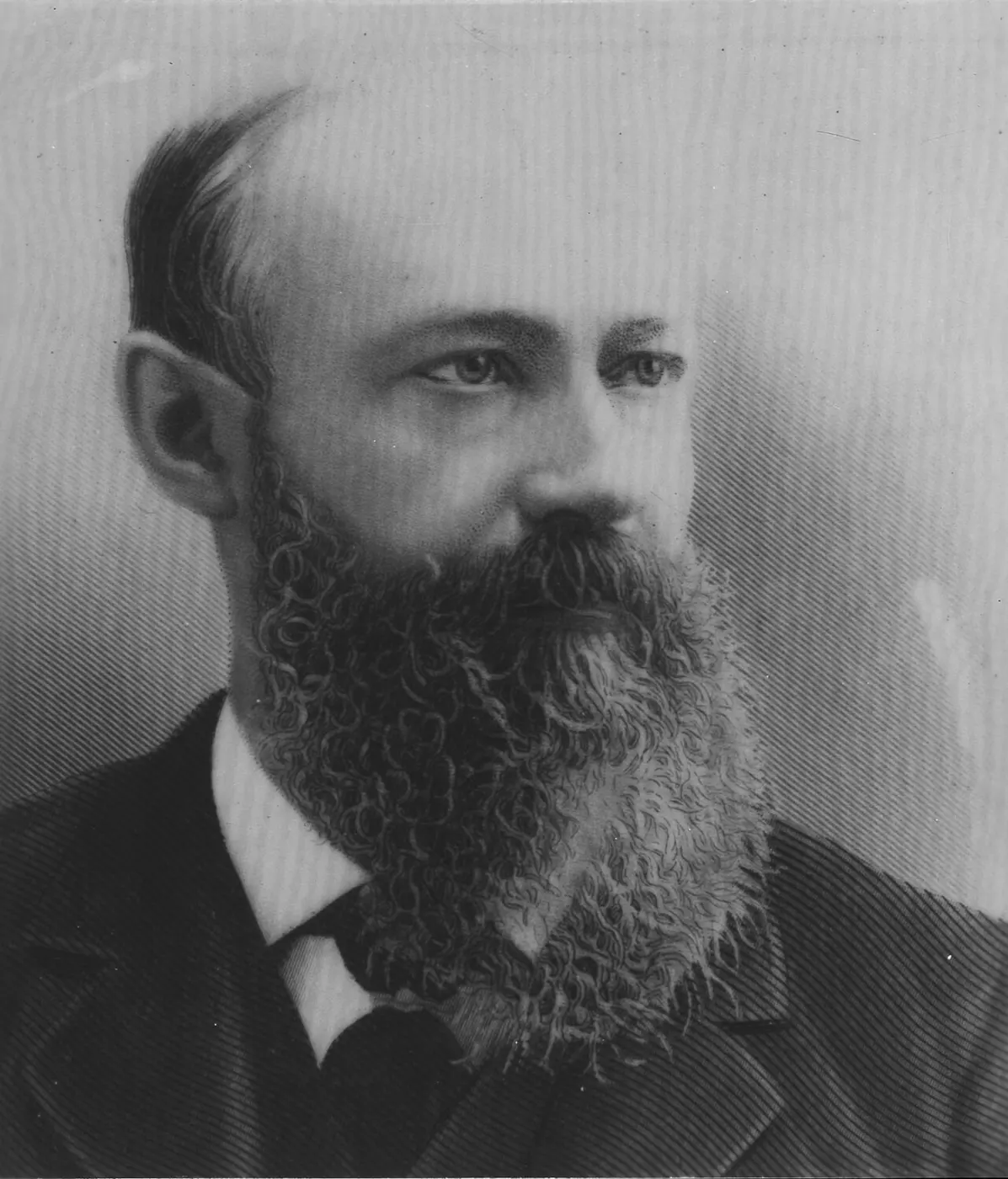
One of the people who took up the challenge was John Wesley Hyatt, a young printer in Albany, New York. He made balls from wood pulp, cloth and paper bound with shellac and other resins, and patented one in 1865, but it lacked the hardness and feel that players expected from ivory.
The breakthrough came from collodion, a liquid printers dabbed on their fingertips to protect them from hot metal type. Collodion is cellulose nitrate dissolved in ether and alcohol, and it dries into a tough film. Working with his brother Isaiah, Hyatt found that adding camphor to cellulose nitrate produced a material that could be molded with heat. The brothers patented it in 1870, and it was later named celluloid.
Balls that went bang
There was a catch. Cellulose nitrate is a close chemical relative of guncotton, an explosive, and it burns very easily. In a 1914 speech, Hyatt himself recalled the problem with his early balls: touch one with a lit cigar and it would burst into flame, and sometimes a hard collision would set off “a mild explosion like a percussion guncap.”
He then quoted a letter from the owner of a billiard saloon in Colorado, who said he did not much mind the noise, “but that instantly every man in the room pulled a gun.” It sounds like a scene from a Western, but the only source for it is Hyatt’s own speech.

What became of the prize, and of the balls
The Hyatt brothers set up a billiard ball company in Albany and sold their balls. But they never submitted them to Phelan for the prize, and it seems likely that the $10,000 was never awarded to anyone.
Celluloid’s real success lay elsewhere. It went into combs and detachable shirt collars, and later into motion picture film. Table tennis balls, too, were made of celluloid for well over a century, until 2014.
Today most billiard balls are made of phenolic resin, a hard plastic. The best-known maker, Saluc of Belgium, began in 1923 as a chemical company and launched phenolic resin balls in the 1960s. The company says it makes the large majority of the billiard balls used around the world.