Was air conditioning invented to keep people cool?
No. The first modern system, built in 1902, was meant to protect paper from humidity in a printing plant. Cooling for human comfort caught on later, in movie theaters.
55%
An air conditioner cools a stuffy room and pulls the moisture out of the air. The name says what it does: it conditions air, putting it into the state you want.
The machine usually credited as the first modern air conditioner was designed in 1902 by the American engineer Willis Carrier. But what it was built to protect was not people. It was paper.
Colors out of register
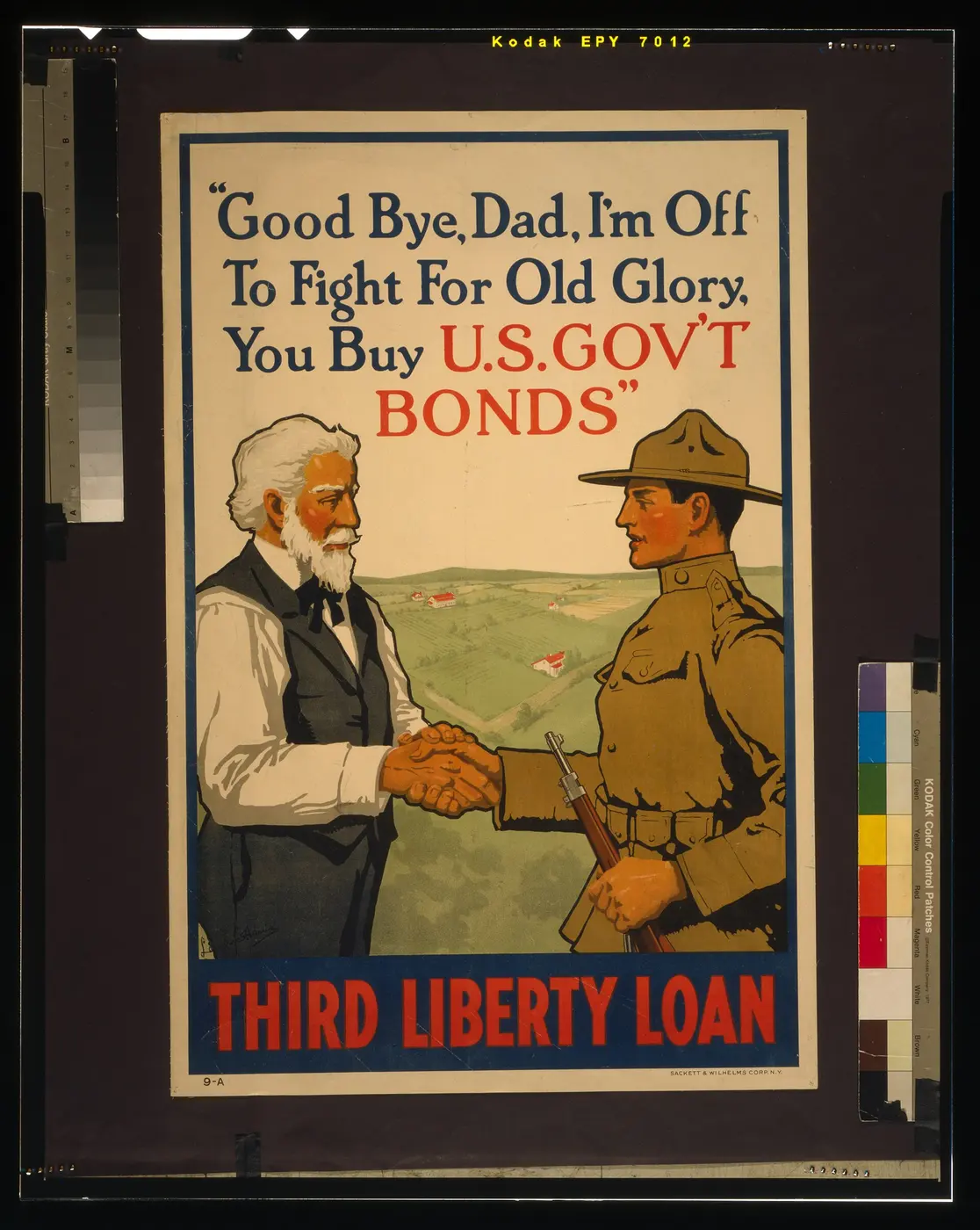
The setting was the Sackett & Wilhelms printing plant in Brooklyn, New York. According to Carrier, the company Willis Carrier later founded, humidity was ruining the plant’s fine multicolor printing and putting the schedule of Judge, the humor magazine it printed, at risk.
In color printing, each color is printed in a separate pass on the same sheet. If the paper soaks up moisture and swells between passes, the colors no longer line up. Damp paper also curled at the edges and jammed the feeding machines, and the ink dried more slowly.

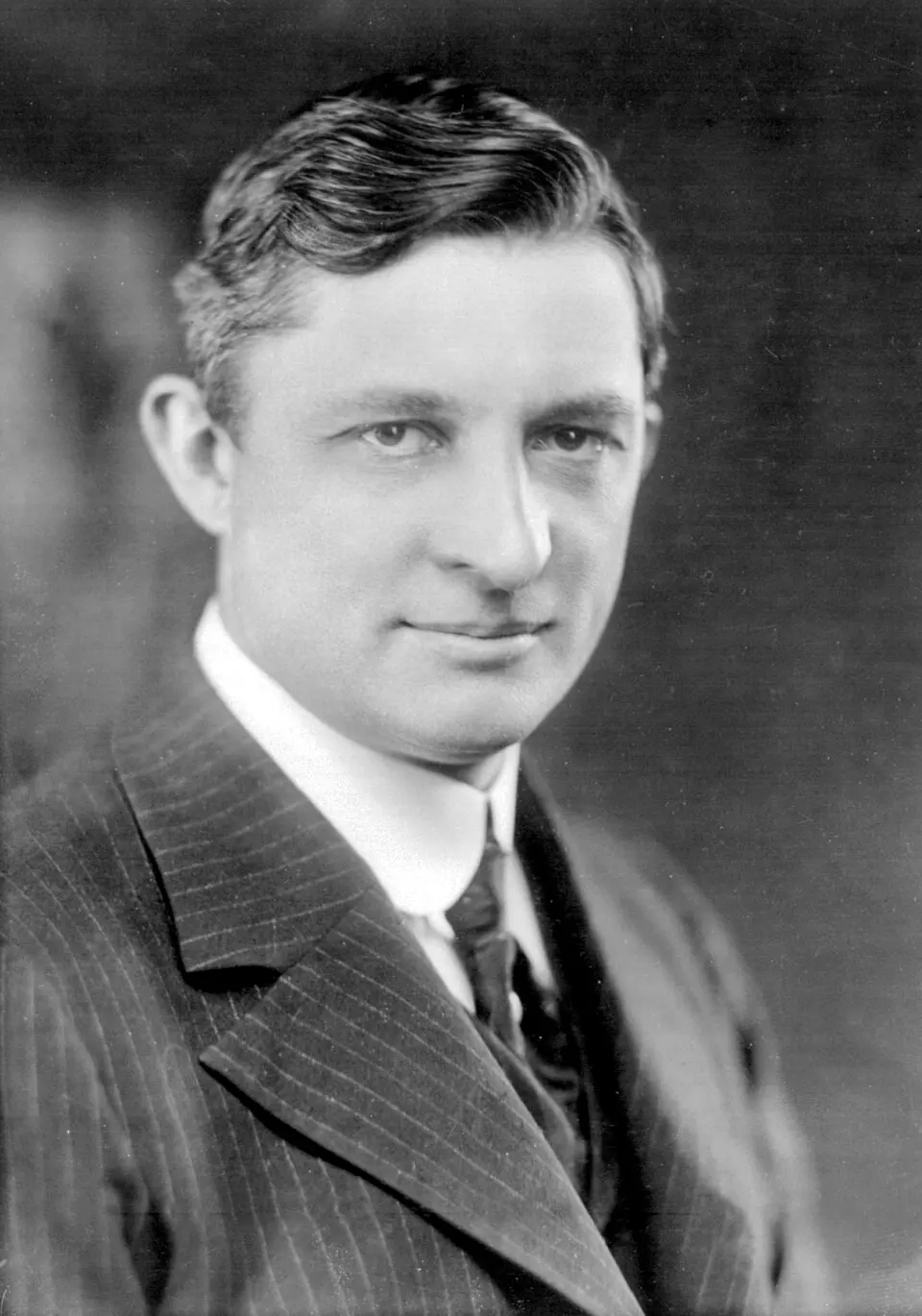
The problem landed with J. Irvine Lyle of the Buffalo Forge Company, a maker of fans and heating equipment. Lyle handed it to a young engineer one year out of Cornell University: the 25-year-old Willis Carrier.
Summer target: 27°C
Carrier’s drawings are dated July 17, 1902, the day the Carrier company treats as the birthday of modern air conditioning. The system was installed late that summer on the second floor of the plant, a space meant for 60 multicolor presses.
The targets were 21°C (70°F) in winter and 27°C (80°F) in summer, with humidity held at 55 percent in both seasons. A summer temperature of 27°C would hardly feel refreshing to a person. What mattered was keeping the humidity steady. Air was drawn over coils filled with cold water, which chilled it and made its moisture condense out. In the summer of 1902 the water came from an artesian well, and in the spring of 1903 an ammonia refrigerating machine was added. That October, Lyle wrote to his home office that the cooling coils had “given excellent results during the past summer.”
Carrier then hit on a better idea: pass the air through a fine spray of water and set the humidity by controlling the water’s temperature. According to the company, the insight came to him in late fall 1902 on a cold, foggy train platform in Pittsburgh. His patent for an “Apparatus for Treating Air” was granted on January 2, 1906.
The man who named it
Carrier did not coin the term “air conditioning,” however. According to NCpedia, the online encyclopedia of North Carolina, the credit is usually given to Stuart W. Cramer, a North Carolina textile engineer who held more than 60 patents and installed humidity controls in scores of Southern cotton mills.
Yarn snaps easily when it dries out, so cotton mills had to manage humidity. Cramer had been humidifying mills, or “yarn conditioning,” since 1895, according to the Carrier company, and in May 1906 he used the phrase “air conditioning” at a meeting of the American Cotton Manufacturers Association in Asheville, North Carolina. The new term covered more than adding moisture: ventilation, cleanliness and dehumidification as well. Carrier and his engineers soon adopted it, and it spread around the world. Carrier later wrote that he met Cramer only once, on a train, and found him “a fine Southern gentleman.”

The early customers were textile mills, a company making film for the new movie industry, a razor blade factory fighting rust, and tobacco plants. For years, air conditioning was a tool for protecting products.
People first felt it at the movies
Cooling for comfort took off in movie theaters. According to the U.S. Department of Energy, early theater systems blew cold air from vents in the floor, leaving the upper seats muggy while the lower levels grew so chilly that patrons sometimes wrapped their feet in newspaper.
In 1922 Carrier’s company unveiled the centrifugal chiller, which made it practical to cool large buildings. At Grauman’s Metropolitan Theatre in Los Angeles it introduced a system that let cool air flow gently down from the ceiling. Then, in 1925, it installed full air conditioning at the Rivoli Theatre in New York’s Times Square, to instant acclaim. Movie theaters, the company notes, were where many people experienced cooled air for the first time.