Is Japan the only country where women give men chocolate on Valentine’s Day?
In Europe and North America, Valentine’s Day is for exchanging cards, flowers and sweets, and anyone can give to anyone. Women giving chocolate to men is a custom that took root in postwar Japan.
¥170
In early February, the event floors of Japanese department stores turn into vast chocolate markets. In Japan, Valentine’s Day is the day when women give chocolate to men. These days many women also buy chocolate for friends or for themselves, but February 14 is still, above all, chocolate day.
Is it like this everywhere? Not quite. Valentine’s Day in Japan grew up in its own peculiar way, and several companies claim to have started it.
Elsewhere, a day for exchanging gifts
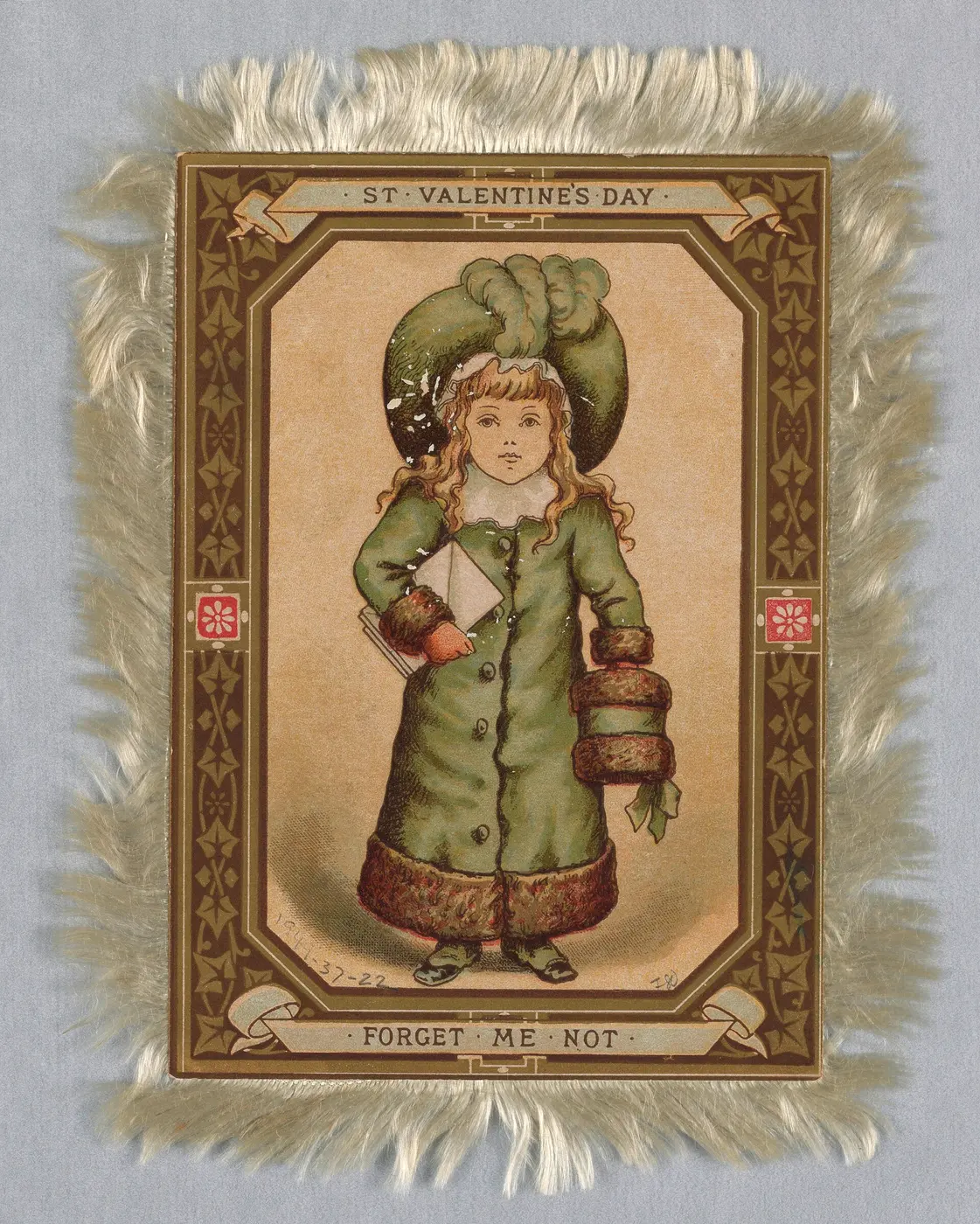
February 14 is the feast day of Saint Valentine. According to the Japanese Heibonsha World Encyclopedia, there were two martyrs of that name in the late third century, and no one knows which one the day honors. Today, especially in Britain and the United States, it is known as a day when sweethearts exchange cards and gifts.
In a survey released in January 2026, the US National Retail Federation found that candy, chocolate included, was the most popular planned gift, chosen by 56% of shoppers. Flowers and greeting cards were tied at 41%, and an evening out came next at 39%. Chocolate is a favorite, but the point is the exchange, and men and women give alike.

Rival claims
So who started selling Valentine’s chocolate in Japan? More than one company raises its hand.
Morozoff, a confectioner in the port city of Kobe, says it sold Japan’s first Valentine chocolates in 1932, and in 1936 ran the country’s first Valentine’s advertisement in the English-language Japan Advertiser. But an ad in an English newspaper was aimed at Westerners living in Japan. The encyclopedia Nihon Daihyakka Zensho notes that Morozoff tried to introduce the custom of giving chocolate in 1936 and again around 1952, without much success.
The other leading claimant is Mary Chocolate of Tokyo. The company says that in January 1958, one of its employees received a postcard from a friend in Paris explaining that people there gave flowers, cards and chocolate on February 14. The company decided to try a Valentine’s fair at a Tokyo department store from February 12 to 14. It sold three 50-yen chocolate bars and one 20-yen message card, for a total of just 170 yen.
Others point to Morinaga’s newspaper and magazine advertisements in 1960, or to Valentine’s fairs held by the Isetan department store in 1965 and the import shop Sony Plaza in 1968. In 1985 the Nikkei Sangyo Shimbun, a business daily, quoted the Chocolate and Cocoa Association of Japan as saying that the fight over who came first was so fierce that the true origin was impossible to know.
The buyers chose chocolate
When did chocolate become the Valentine’s gift? In February 1957, the Asahi Shimbun newspaper introduced February 14 as a day for women to confess their feelings to men, and reported that stores were promoting Valentine gifts to make up for slow February sales. Chocolate, however, was still a supporting player.
The scholar of religion Kenji Ishii, in a 1994 book on urban festivals and holidays in Japan, points out that 1960s advertising did not yet link Valentine’s Day with chocolate, and that the push to sell other kinds of Valentine’s gifts peaked in 1968 and then fizzled out. After that, chocolate sales took off. Ishii concludes that it was not the industry that fixed the custom in place so much as the shoppers themselves, who picked chocolate out of all the possible gifts.
By February 1972, an Asahi Shimbun column quoted a specialty shop as saying that nearly all its Valentine customers bought ready-made items such as heart-shaped chocolates. Some fourteen years after that postcard from Paris, the Japanese Valentine’s Day had finally taken shape.
A day to give back
Receive chocolate, and you owe a gift in return. White Day, on March 14, when men return the favor, is also a Japanese invention. According to the Nihon Daihyakka Zensho, it is unknown in Europe and North America, and before the name White Day stuck, it went by Flower Day, Cookie Day and Marshmallow Day, among others.
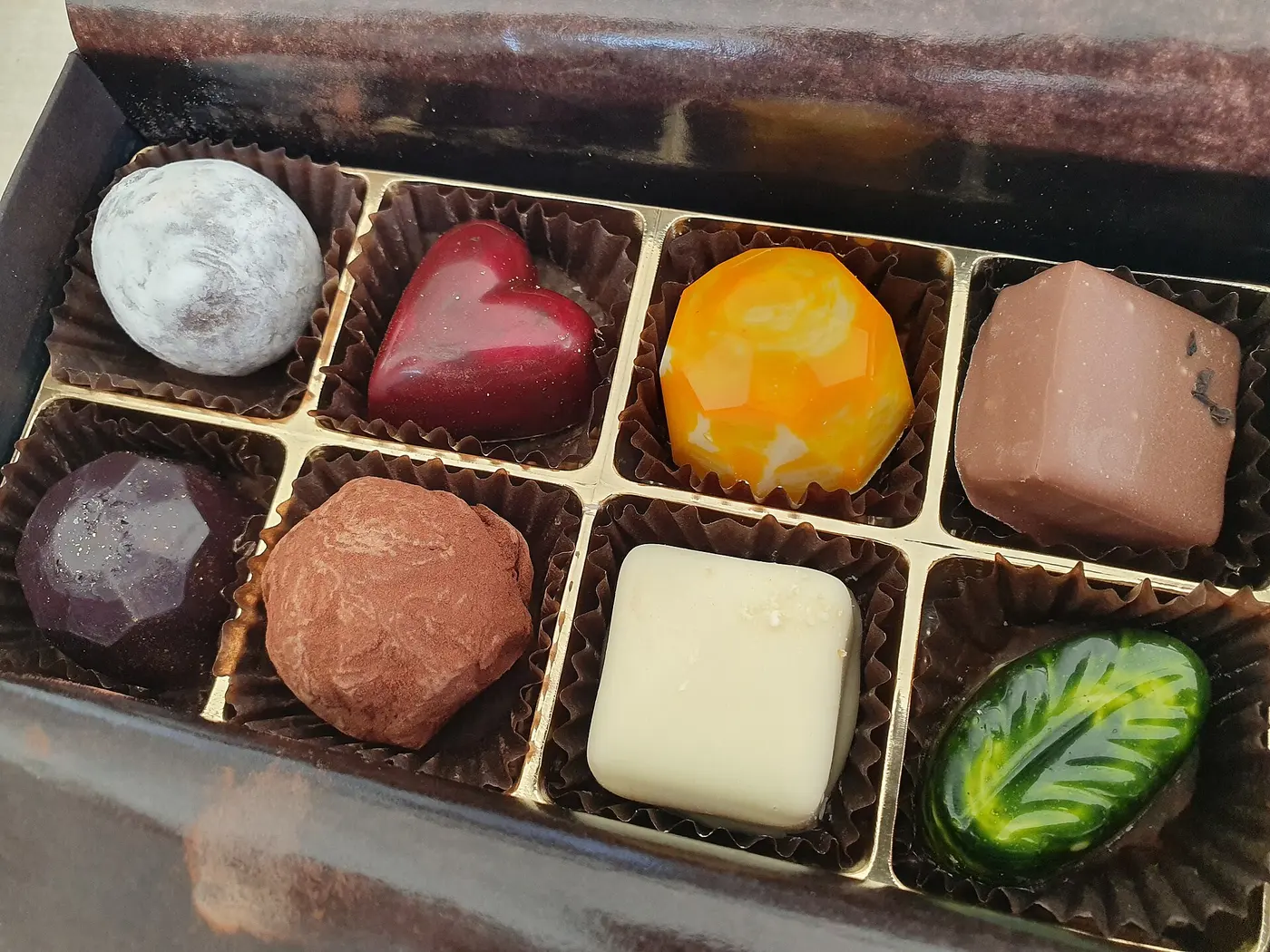

Here, too, there are two claimants. The encyclopedia says the best-known story is that the national candy makers’ cooperative dreamed it up in 1978 as a sales promotion. Ishimura Manseido, a confectioner in Fukuoka, says White Day began with the “Marshmallow Day” it came up with in 1977. Once again, there is more than one founder.