Why do the Japanese eat soba noodles on New Year’s Eve?
It most likely grew out of “misoka soba,” eaten at the end of every month in the Edo period. Explanations such as “long life” vary widely.
1814
On the night of December 31, while a music show plays on TV or temple bells ring out the old year, people all over Japan slurp a bowl of hot soba, noodles made from buckwheat flour. Toshikoshi soba, literally “year-crossing soba,” is one of the defining foods of the Japanese year-end. Supermarkets pile up fresh noodles in the last days of December, and lines form outside soba shops.
But why soba? The usual explanation is that long, thin noodles stand for a long life. Whether that is how the custom actually started is another matter. Let us follow the trail through dictionaries and records from the Edo period (1603–1868).
It began as a monthly habit
The custom is thought to descend from misoka soba. Misoka means the last day of a month. The Nihon Kokugo Daijiten, Japan’s largest dictionary, defines misoka soba as soba eaten on the last day of each month, and especially on the last day of the year, to celebrate getting through safely and in the hope that one’s fortune would grow and stretch.
By the middle of the Edo period, merchant households and others are believed to have eaten soba at the end of each month, and the habit is thought to have survived only on the last night of the year. The Britannica International Encyclopaedia in Japanese likewise describes year-end soba as a fashion from Edo (old Tokyo) that took root and spread.
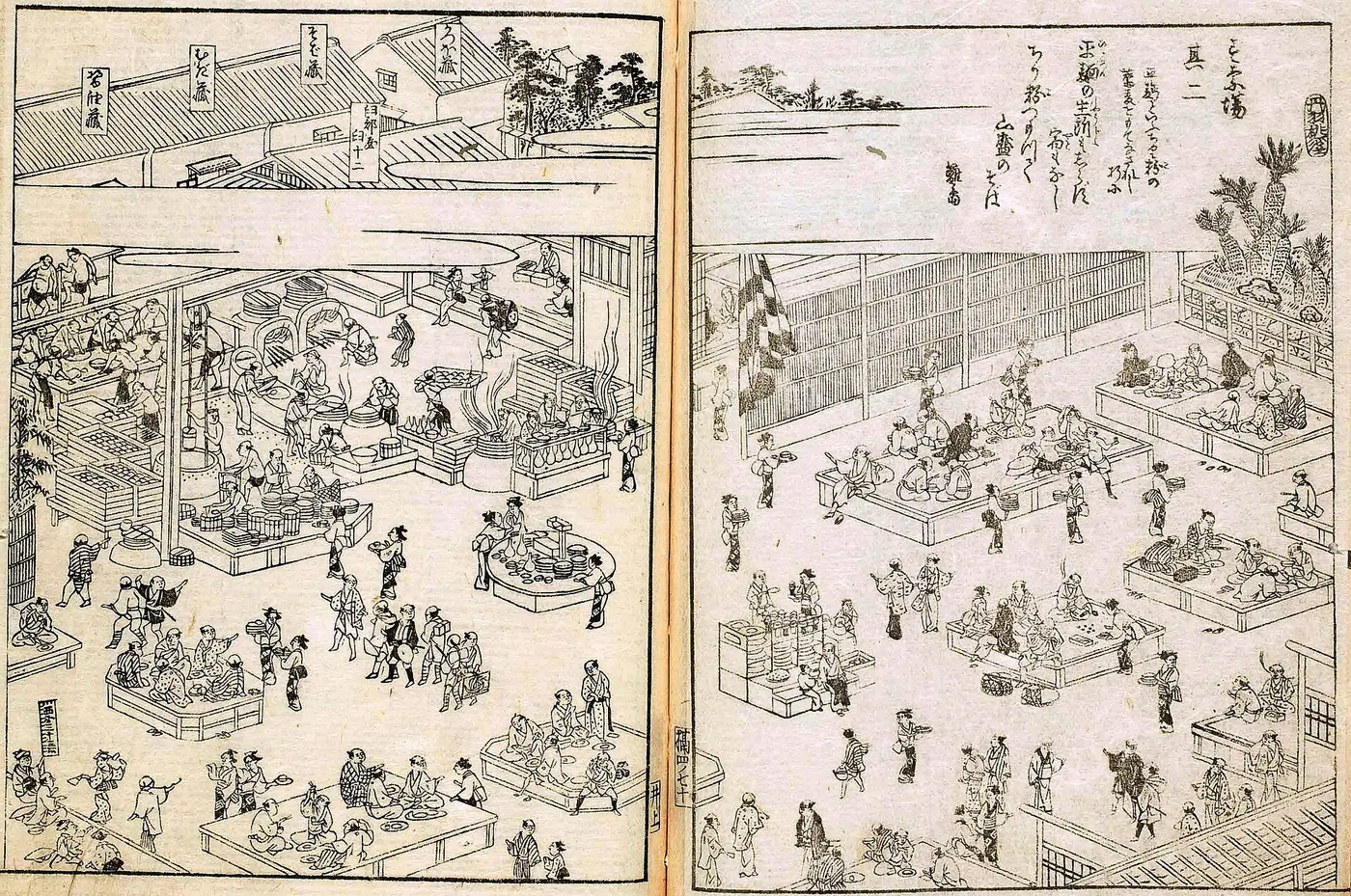
An early record comes from the Ōsaka Hanka Fudoki, a guide to the customs of Osaka published in 1814. Its entry for December 31 notes that everyone eats soba on that day, calling it misoka soba. More than 200 years ago, then, soba on New Year’s Eve was already part of the city’s calendar.

Setsubun was a New Year’s Eve too
Curiously, the same Osaka guide is reported to mention “year-crossing soba” on Setsubun as well, the day before the traditional start of spring in early February. Japanese dictionaries still define toshikoshi soba as soba eaten “on New Year’s Eve or on the night of Setsubun.”
That is because the year used to have more than one turning point. There was an idea that the new year began with the first day of spring, so the night before it, Setsubun, was also called toshikoshi, “crossing the year.” According to the Heibonsha World Encyclopedia, the nights of January 6 and January 14 were sometimes called “year-crossings” too, each seen as a moment when the year was renewed. Soba was eaten on several of these nights.
Soba noodles are younger than you might think
Soba has not always been eaten as long noodles. According to Nagano Prefecture, the oldest record of soba-kiri, buckwheat dough cut into noodles, is a document from 1574 kept at Jōshōji temple in the Kiso valley. It says that the craftsmen who repaired the main hall were treated to soba-kiri. Before then, buckwheat flour is said to have been eaten mostly as sobagaki, a kind of dumpling made by kneading the flour with hot water.
Year-end soba, in other words, was born in the Edo period, after noodles had caught on as a cheap and quick meal in the towns. It is a relatively recent custom.
Many reasons, no single answer
So why is soba lucky? Japanese tradition offers a whole menu of explanations.
Long, thin noodles might stretch your life and your family’s fortunes. Soba breaks easily, so it cuts off the hardships and bad luck of the old year. Gold and silver craftsmen were said to gather stray gold dust with balls of buckwheat dough, which made soba a charm for gathering money. And in Hakata, part of the city of Fukuoka in southwestern Japan, there is a legend that the custom began when Xie Guoming, a Chinese merchant who helped found Jōtenji temple in the 13th century, handed out soba to people during a famine.
None of these is more than folklore or a lucky pun, and there is no evidence that any one of them was the original reason. It seems more likely that the meanings piled up over time.
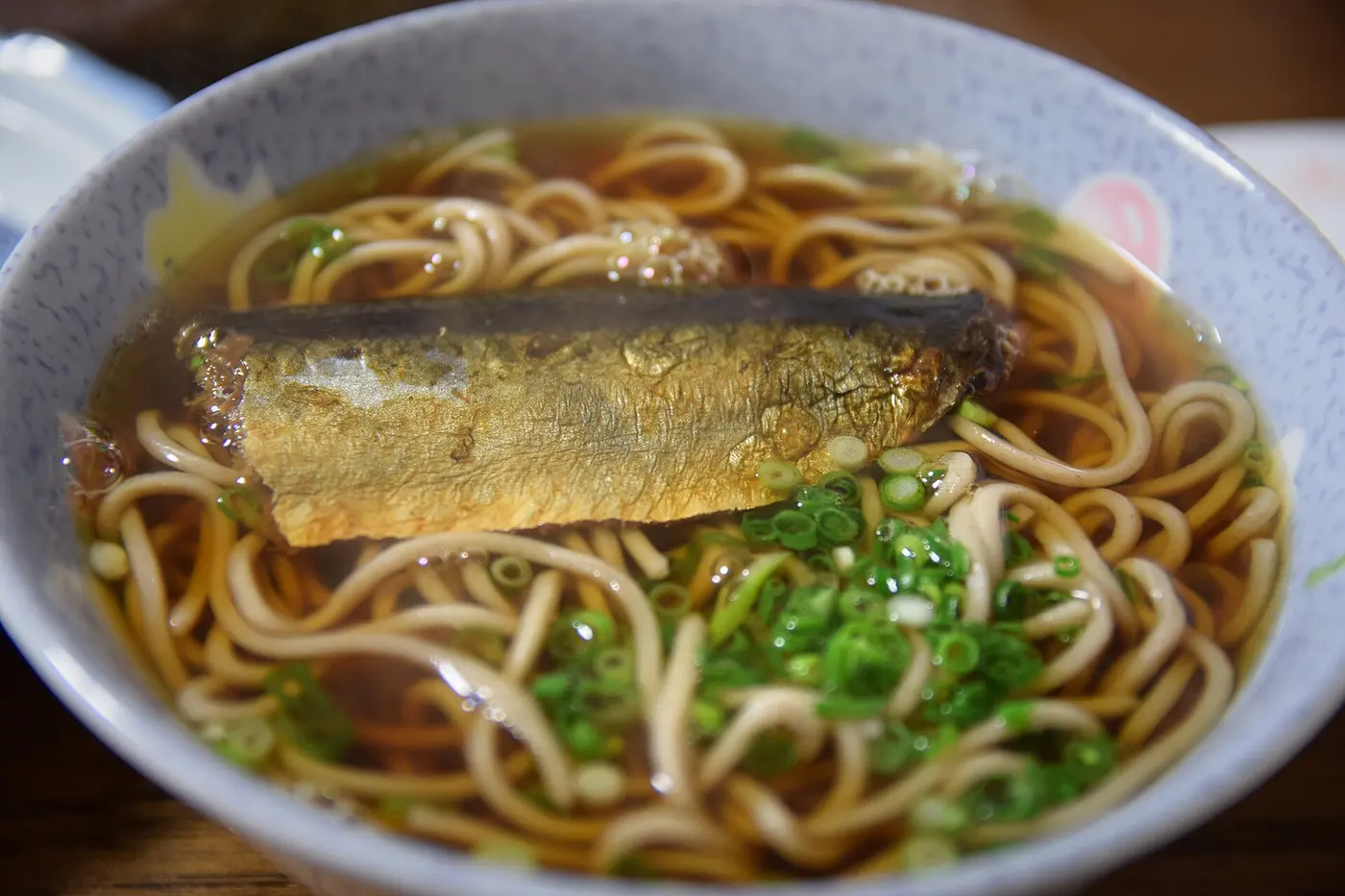

Soba is not the only special food of the night, either. The Heibonsha World Encyclopedia notes that the New Year’s Eve meal is treated as a festive occasion all over Japan, and that many areas insist on a special “year-taking fish” such as salmon or yellowtail. Soba became one of these New Year’s Eve dishes and, over time, settled in across the country.