Is it dangerous to swim right after eating?
No drowning has ever been traced to swimming on a full stomach. In 2011, an expert panel advising the American Red Cross concluded that the warning can be dismissed as a myth.
192swims
Generations of children know the rule: after lunch, no swimming for an hour. Families at beaches and pools in the United States, Britain and Japan alike have passed it on, and countless kids have spent the longest hour of summer sitting at the edge of the water, watching the clock.
Yet when a panel of experts advising the American Red Cross went looking for evidence behind the rule, they could not find a single reported case of someone drowning because they had swum after eating. Their verdict, published in 2011, was that the idea “can be dismissed as a myth.”
A warning from the first Scout handbooks
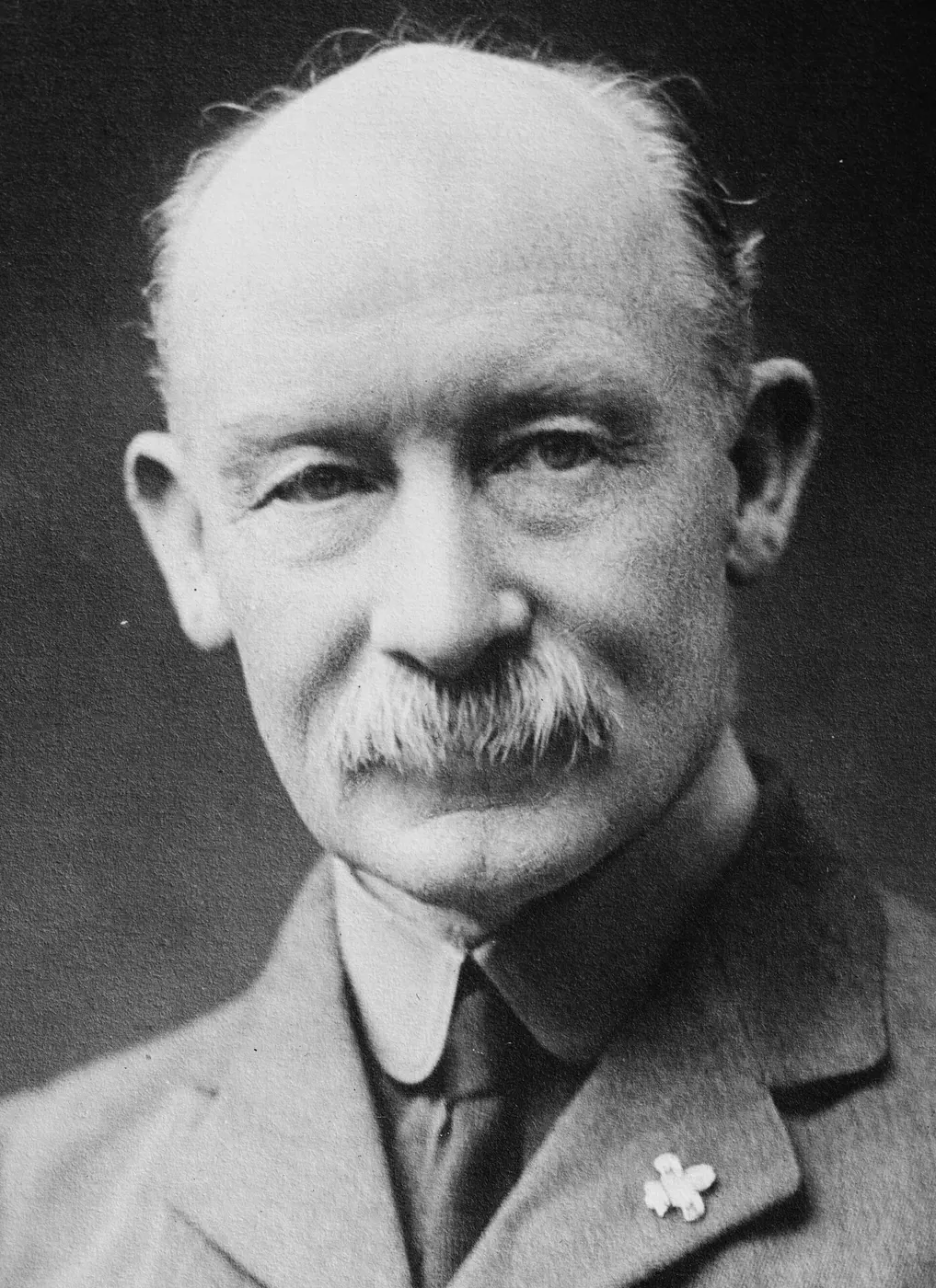
No one knows exactly when the warning began, but by the early 20th century it was firmly in print. Robert Baden-Powell, the British army officer who founded the Scout movement, wrote in Scouting for Boys (1908): “Never bathe in deep water very soon after a meal, it is very likely to cause cramp, which doubles you up, and so you get drowned.”
The first edition of the Boy Scouts of America’s handbook, published in 1911, agreed. “Many boy swimmers make the mistake of going into the water too soon after eating,” it said. The stomach is busy with digestion, and when it is suddenly called on to support the swimmer, “the process of digestion stops, congestion is apt to follow, and then paralyzing cramps.”

The logic seemed sound: digestion needs blood, swimming muscles need blood, and something has to give. The rule passed from parents to children for decades. According to BBC Science Focus magazine, even the American Red Cross was advising against swimming straight after eating in the 1960s.
Putting it to the test
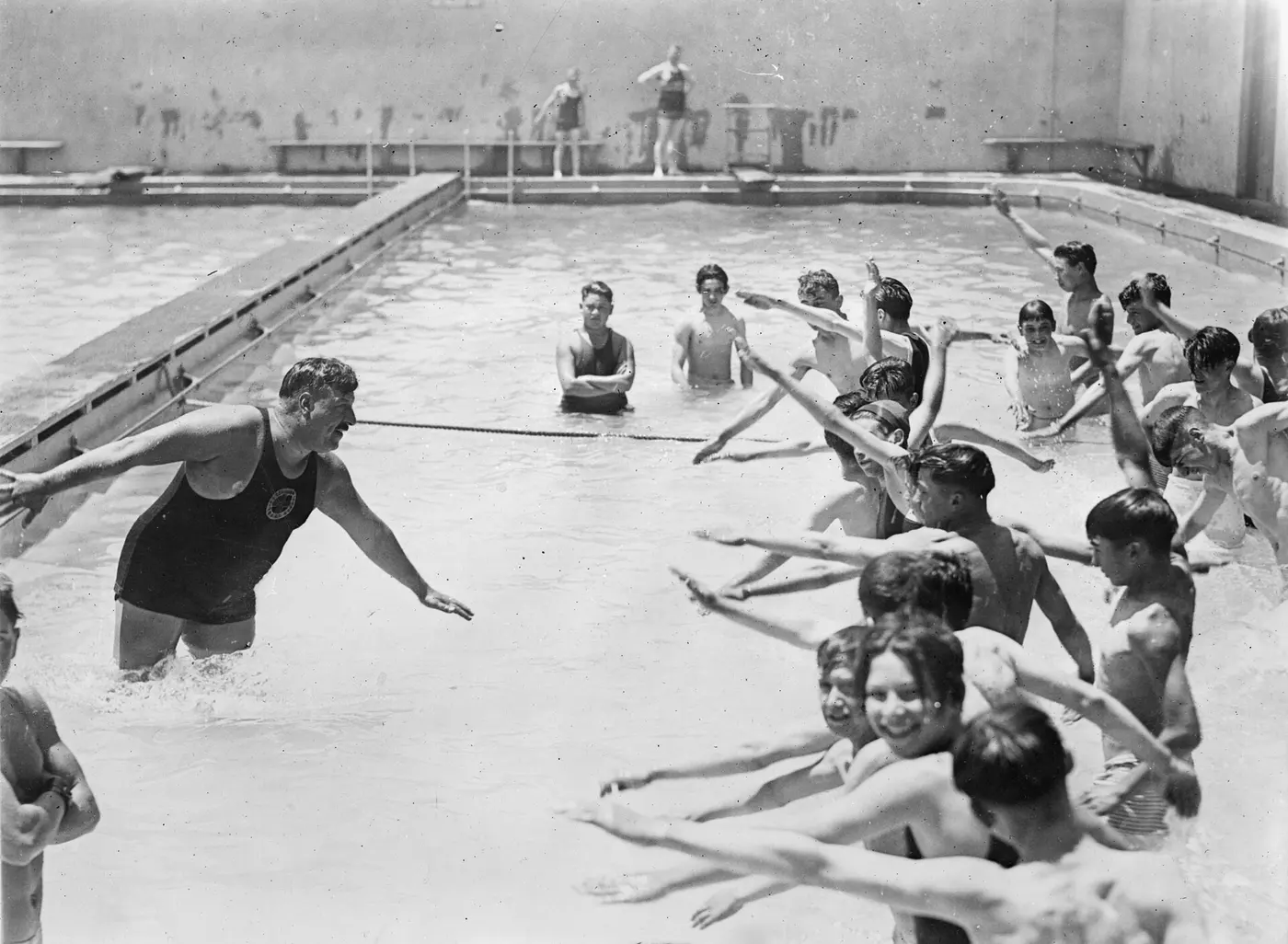
In that same decade, researchers in the United States began testing the rule. In a study published in 1968, Singer and Neeves fed 12 male competitive swimmers, aged 15 to 21, a large meal, then had them swim 200 yards (about 180 m) freestyle after waiting half an hour, one hour or two hours. A control group swam the same distance without eating first. Out of 192 trial swims, there were four cases of nausea and one of regurgitation, and not a single stomach cramp. The waiting time made no significant difference to the swimmers’ times.
In experiments published in 1965 and 1968, Asprey, Alley and Tuttle had young men and women eat a modest meal of cereal, toast, sugar, butter and milk, about 510 calories, before swimming distances of up to a mile (1.6 km). Nobody reported nausea or cramps, and their times were no different from swims made on an empty stomach.
These were small studies of capable swimmers. Still, none of them turned up any evidence for the idea that a meal can bring on a cramp that drags you under.
The Red Cross verdict
In 2011, Peter Chambers, Linda Quan, Peter Wernicki and David Markenson of the American Red Cross Scientific Advisory Council published a review in the International Journal of Aquatic Research and Education. Their question: does swimming within an hour of eating increase the risk of drowning, in children or adults?
They searched the medical and physical education literature published since 1960. They found no reported cases of eating before swimming causing or contributing to a drowning, fatal or not. The panel concluded that eating is not a risk factor for drowning and that the belief “can be dismissed as a myth.” Restricting food before swimming, they said, is unnecessary. As a companion advisory put it, the myth’s persistence is “not actively harmful, but it is nonetheless a myth.”

What to watch out for instead
That doesn’t mean a big lunch and a hard swim always go well together. The side stitch, that sharp pain under the ribs during exercise, is especially common in swimming. In a survey published in 2000, Darren Morton and Robin Callister in Australia asked 965 people who regularly took part in six different sports about stitches. Among the swimmers, 75% had had one in the past year, the highest rate of any group. Stitches are more likely after a meal, and a common recommendation is to avoid large amounts of food and drink for about two hours before exercising. A full stomach may make your swim uncomfortable, but it won’t make you drown.
Alcohol is a different matter. The U.S. Centers for Disease Control and Prevention warns that alcohol impairs judgment, balance and coordination, and advises against drinking before or during swimming. In Japan, the Tokyo Fire Department, citing national police figures, notes that many drownings at sea happen when people swim after drinking. The same caution applies to swimming when exhausted or unwell. Avoiding those is far more useful than counting the minutes after lunch.