Why does a soccer match last 90 minutes?
The 90 minutes agreed for an 1866 match caught on, and in 1897 it was written into the official rules.
1866
Forty-five minutes, a half-time break, then another 45. Whether it’s a professional match or a weekend kickabout, adult soccer runs for 90 minutes. Rugby takes 80 and basketball 40 under international rules—every sport has its own length—but soccer’s 90 minutes are the same wherever you go.
So when, and how, was that length settled? Trace the records back and you arrive at a time agreed for one particular match, long before it ever appeared in the rulebook.
Rules with no clock
Modern soccer is usually dated to 1863, when the Football Association (FA) was formed in London and drew up a common set of rules. Those early rules, however, said nothing about how long a match should last. The length was something the two sides agreed on each time they played.
Then, on March 31, 1866, a select team from London faced one from Sheffield in Battersea Park, London. Sheffield, an industrial city in the north of England, had been playing football under its own rules. This match was to be played under FA rules, and the conditions set out by the FA included a line stating that the game would last 90 minutes, from 3 p.m. to 4:30 p.m.
The rules of the day made no provision for half-time either, and records say the match was played amid on-and-off rain and hail. London won. Why 90 minutes rather than 60 or 120? No record has been found that explains the choice.
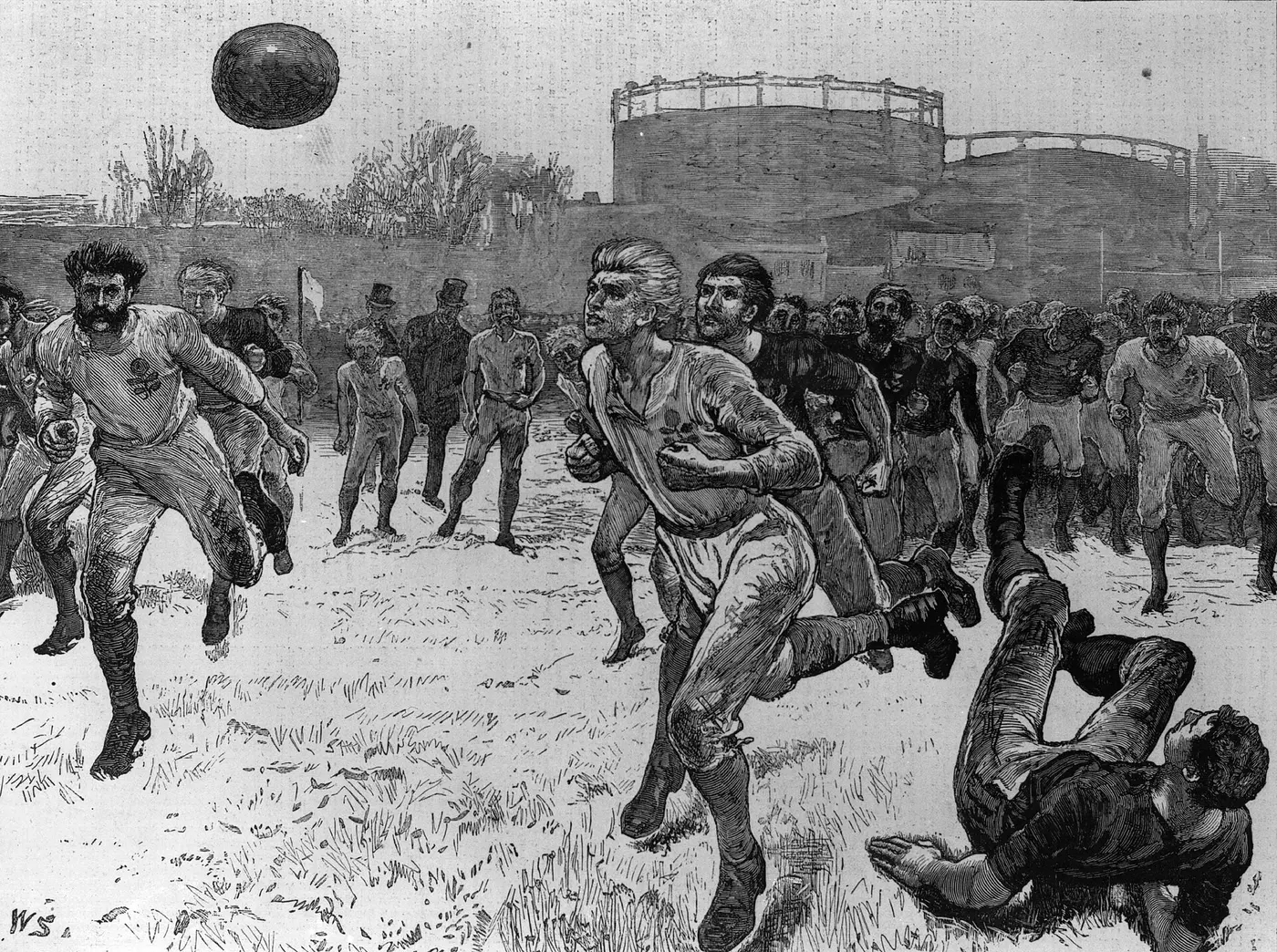

Thirty years later, in black and white
After this match, the 90-minute length gradually came into wide use. Even so, it took more than another 30 years to make it into the written rules.
In 1886, the football associations of England, Scotland, Wales and Ireland came together to form the International Football Association Board (IFAB), the body that looks after the rules. When the IFAB revised the rules in 1897, it stated for the first time that “the duration of the game shall be 90 minutes, unless otherwise mutually agreed upon.” The same revision added a rule that the half-time interval “shall not exceed five minutes.”
Today’s rules say half-time must not exceed 15 minutes. The break has changed over the years, but the 90 minutes of play are a 19th-century agreement handed down unchanged.
Winning back lost time
Once the 90 minutes were set, the next question was what to do about time when the ball wasn’t in play.
Under the 1891 rules, the referee also took on the job of timekeeper. That same year, the story goes, something remarkable happened in a match between Stoke and Aston Villa. Stoke, trailing 1–0, were awarded a penalty kick two minutes from the end. But the Aston Villa goalkeeper booted the ball far out of the ground, and by the time it had been retrieved, the 90 minutes were up and the match was over.
Incidents like this led to the rules being amended step by step. In the early 1890s a rule was added allowing time to be extended, if necessary, so that a penalty kick could be taken. Then in 1898 the referee was given explicit power “to allow for time wasted.” This was the beginning of what is now called added time.
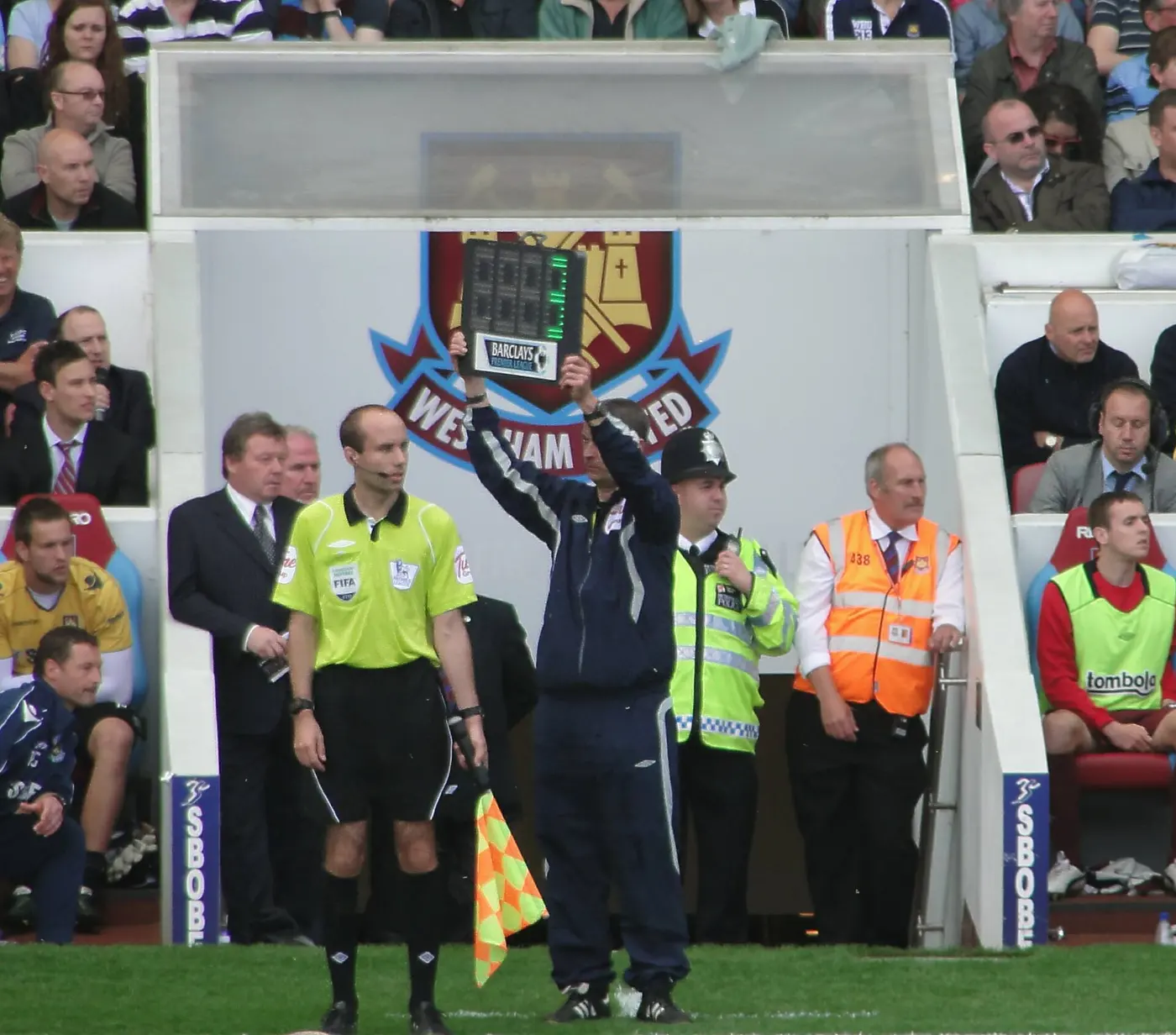

In Japan, added time was long called rosu taimu (“loss time”), a piece of made-in-Japan English. In 2010 the Japan Football Association changed the official term to adishonaru taimu, “additional time.” Since the 2022 World Cup in Qatar, time spent on video reviews and goal celebrations has been added more strictly, and it is no longer unusual to see more than ten minutes added at the end of the second half.