Did the Earl of Sandwich invent the sandwich at the card table?
The only source for the gaming-table story is a French travel book repeating unnamed gossip. The earl’s biographer thinks he was more likely eating at his desk.
1762
Everyone knows where the sandwich got its name. John Montagu, the 4th Earl of Sandwich, was an 18th-century English nobleman so hooked on cards that he refused to leave the gaming table to eat. Instead he had his servants bring him meat tucked between two slices of bread, which he could eat with one hand while he played. The idea caught on, the snack took his name, and a lunchtime staple was born.
It is a tidy story, and it has been told for well over two centuries. But has anyone actually checked whether the earl really ate with one hand while holding his cards in the other? Follow the trail back, and the evidence turns out to be surprisingly thin.
A Frenchman’s travel book
The oldest known source for the tale is a book by Pierre-Jean Grosley, a French writer who spent time in London in 1765. He published his observations in French in 1770, and an English translation, A Tour to London, followed in 1772. In a passage about the English passion for gambling, Grosley writes that “a minister of state passed four and twenty hours at a public gaming-table,” so absorbed in play that “he had no subsistence but a bit of beef, between two slices of toasted bread, which he eat without ever quitting the game.” This new dish, he adds, “grew highly in vogue” during his stay in London, and “was called by the name of the minister, who invented it.”
Notice what Grosley leaves out. He never names the minister; we know he means Sandwich only because of the name of the dish. He does not say what game was being played, so the cards that feature in most retellings are not in his text at all. And he never claims to have seen any of this himself.
The word was already there in 1762
Grosley’s timeline has another problem: the word “sandwich” was in use before he ever set foot in London.
The earliest known example of the word as the name of a food comes from the journal of Edward Gibbon, who would later write The History of the Decline and Fall of the Roman Empire. On November 24, 1762, the 25-year-old Gibbon dined at the Cocoa Tree, a London club of which he was a member, went to the theater, and then returned to the club.
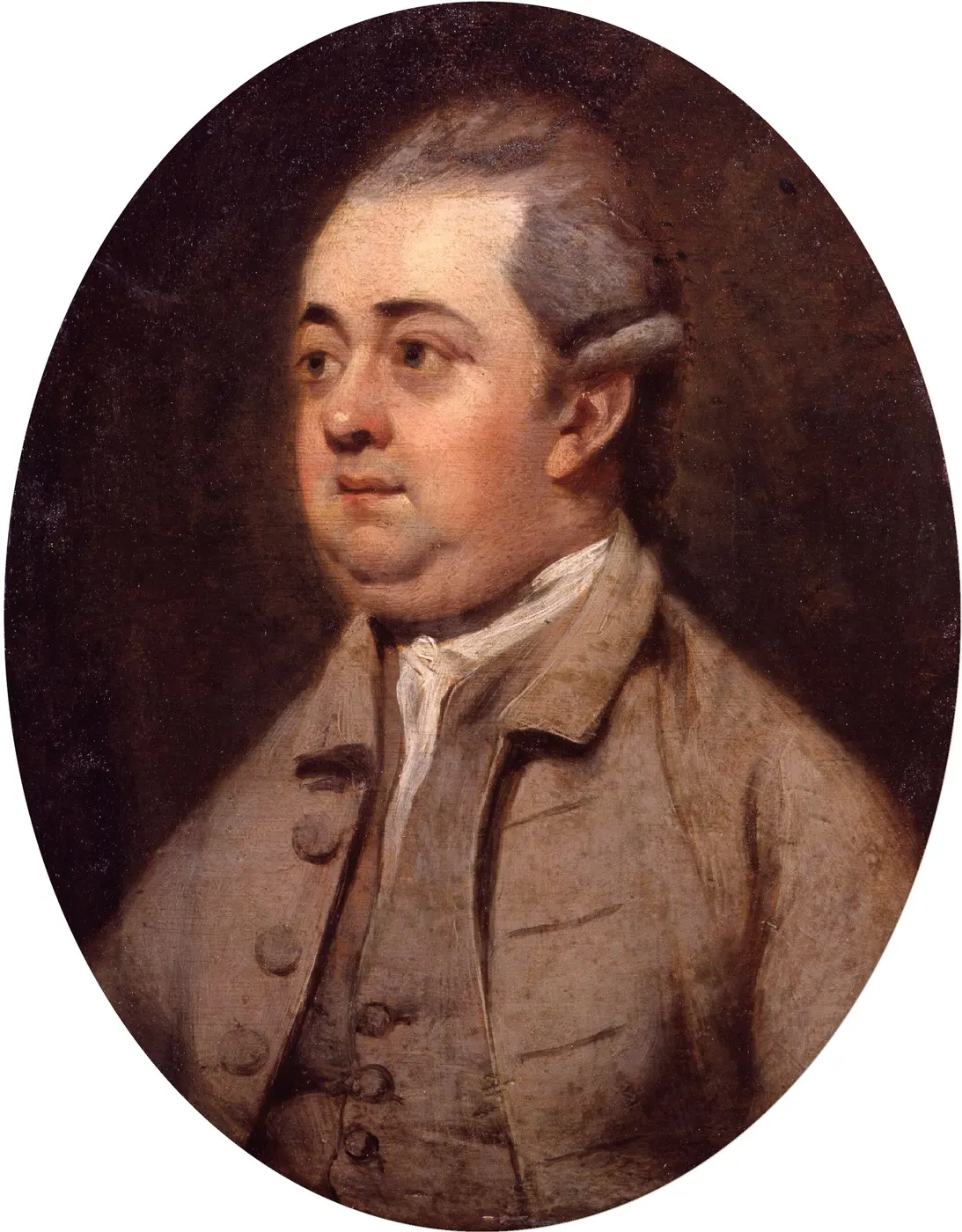

That night he described what he called “a sight truly English”: “Twenty or thirty, perhaps, of the first men in the kingdom, in point of fashion and fortune, supping at little tables covered with a napkin, in the middle of a coffee-room, upon a bit of cold meat, or a sandwich, and drinking a glass of punch.”
Gibbon uses the word without any explanation, which suggests it was already familiar among fashionable men by 1762. That sits awkwardly with Grosley’s claim that the dish was a new craze during his visit three years later. As it happens, the Cocoa Tree later became notorious for high-stakes gambling.
A desk, not a card table?
So what sort of man was the earl? John Montagu (1718–1792) was a politician who served three times as First Lord of the Admiralty, the head of the navy. In 1765, while Grosley was in London, he was a secretary of state.
The historian N.A.M. Rodger, who published a biography of Sandwich in 1993, found no evidence to support the gaming-table gossip. Sandwich did gamble, Rodger concluded, but not to excess. Rodger offered a different explanation: perhaps the earl came up with the sandwich to keep himself going at his desk. Sandwich was known for starting work early and working long hours, and in his day the main meal of the day, dinner, was eaten around four in the afternoon.
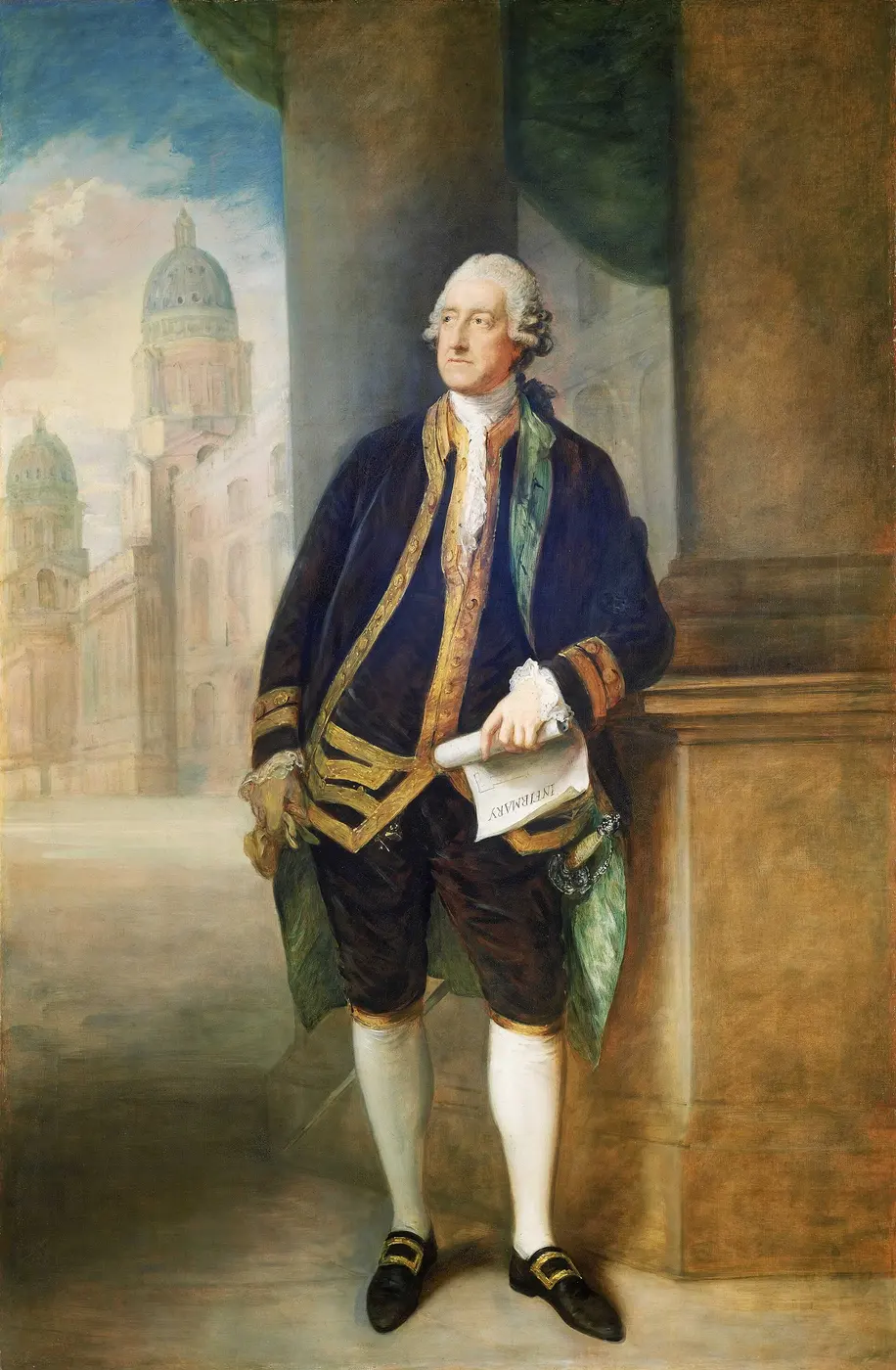

That theory has its own weak spot. When Gibbon wrote his journal entry in 1762, Sandwich happened to be out of government office. Card table or desk, neither version rests on an account by someone who actually watched the earl eat.
What we can say for certain is this: by the 1760s, a light meal of cold meat between slices of bread was known in London by the earl’s name and was a popular late-night snack among well-to-do gentlemen. Where the earl ate the very first one remains his secret.