Was pizza Margherita named after a queen?
Probably, but the famous story that it was created for Queen Margherita in 1889 rests on a royal thank-you letter that looks very much like a forgery.
Red tomato, white mozzarella, green basil. Pizza Margherita is the signature pizza of Naples and a fixture on pizzeria menus around the world.
Its name comes with a well-known story. In 1889, the tale goes, a Neapolitan pizza maker baked a pizza in the colors of the Italian flag for the visiting Queen Margherita of Italy. She loved it, and the pizza was named in her honor. It sounds almost too neat, yet there is said to be a letter to prove it.
Three pizzas for a queen
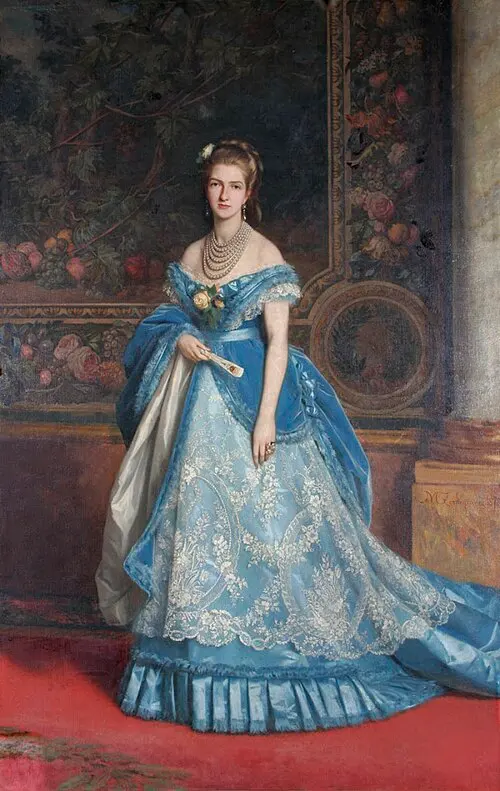
Here is the story as it is usually told. In June 1889, King Umberto I and Queen Margherita were visiting Naples and staying at the Capodimonte Palace. The queen summoned Raffaele Esposito, the most celebrated pizza maker in the city, to bake three pizzas for her. She did not care for the one with garlic or the one with anchovies, but she loved the one with tomato, mozzarella and basil, and Esposito named it Margherita after her.
Italy had been unified only in 1861. Naples, until then the capital of a separate southern kingdom, now played host to the new royal family, and the queen delighted in a pizza in the national colors. As a symbol of a united Italy, it could hardly be better.
The proof is a thank-you letter said to have been sent to Esposito by Camillo Galli, the queen’s chamberlain. It still hangs on the wall of Pizzeria Brandi in Naples, which traces its descent from Esposito’s shop.

A historian reads the letter
The historian Zachary Nowak, then assistant director of food studies at the Umbra Institute in Perugia, found the story a little too convenient. He went digging in the archives in Naples and published his findings in an essay for the BBC in 2012 and in the journal Food, Culture & Society in 2014.
Esposito had indeed received permission to display the royal coat of arms, he found, but that was in 1871, and the business was a shop selling wine and spirits, not a pizzeria. Esposito then married Maria Giovanna Brandi, the daughter of a famous pizza maker, and by 1883 he had opened a pizzeria called the Pizzeria of the Queen of Italy, six years before the royal visit.
The palace archives held no letter from Galli, or to Esposito, from the day the letter is dated. The seal on the letter was similar to, but not the same as, genuine royal seals of the period. Other royal letters had printed seals, while this one had been rubber-stamped, off-center and tilted. A letter Galli wrote in 1891 was plainly in a different hand.
Most telling of all is the greeting. The letter is addressed to “Raffaele Esposito Brandi.” But Italian men did not take their wives’ surnames. Nowak suspects that the Brandi brothers, who bought the pizzeria in 1932, produced the letter to tie themselves to the legendary pizza maker. Merriam-Webster’s dictionary, citing Nowak’s paper, calls the letter very likely a forgery from the 1930s. The pizzeria’s current owners, for their part, have suggested that Galli’s assistant may have written it.
The toppings were already there
Was a pizza of tomato, mozzarella and basil even new in 1889? Volume 2 of Usi e costumi di Napoli e contorni, a guide to the customs of Naples published there in 1858, includes a chapter on the pizza maker by Emmanuele Rocco. It describes pizzas covered with grated cheese and lard and topped with a few basil leaves, often with thin slices of mozzarella added, and notes that tomato is sometimes used too. All three ingredients were on hand in the pizzerias of Naples more than 30 years before the queen arrived.
Even the European Union tells a softer version. Its 2010 regulation registering “Pizza Napoletana” as a traditional speciality states that the Margherita dates from 1796–1810 and was presented to the queen in 1889. In that telling, the pizza was offered to her, not invented for her.
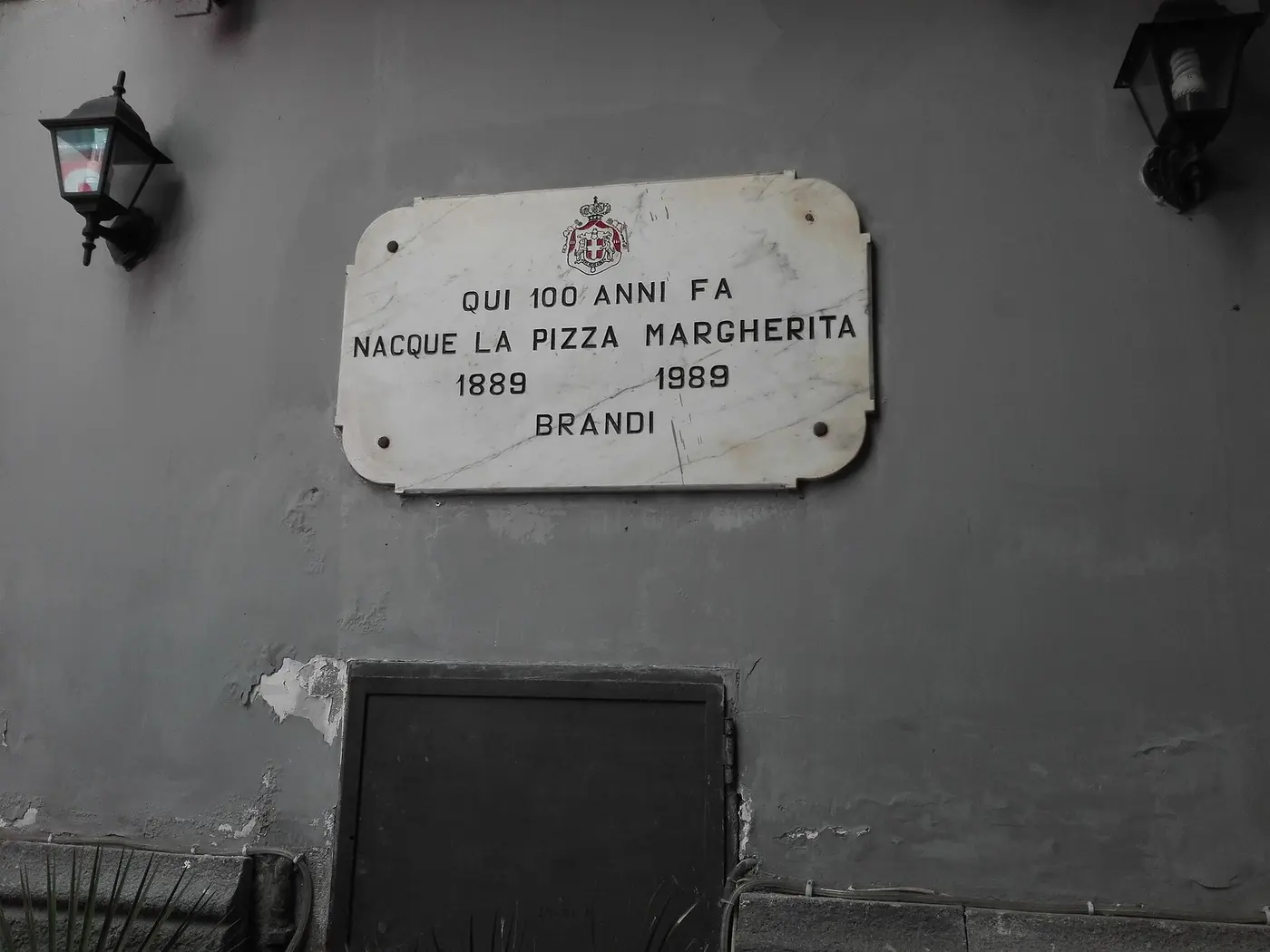

None of this means the name has nothing to do with the queen. Merriam-Webster still says it probably comes from Margherita of Savoy (1851–1926). What looks doubtful is the dramatic part: a pizza born on a single day in 1889, just for her.