Was the stolen World Cup trophy found by a dog?
Yes. In March 1966 the World Cup trophy was stolen in London, and a week later a dog named Pickles sniffed it out on a walk.
7days
The trophy handed to the winners of the soccer World Cup today is the second one. The first was the Jules Rimet Trophy, named after the FIFA president who launched the tournament and made by the French sculptor Abel Lafleur. It showed Nike, the Greek goddess of victory, holding a cup aloft, and according to FIFA it was made of gold-plated sterling silver on a base of blue lapis lazuli.
The trophy was stolen twice. The first time was in London in 1966, four months before England hosted the tournament. And the one who tracked it down was not a police officer but a dog out for a walk.
Gone from a stamp show
In March 1966 the trophy was on display at Stampex, a stamp exhibition at Methodist Central Hall in Westminster. According to FIFA, its president at the time, Stanley Rous, agreed to the loan on conditions that included keeping it in a locked glass case, guarding it around the clock and insuring it for £30,000. The trophy itself was valued at about a tenth of that.
On Sunday, March 20, it disappeared. According to the BBC’s On This Day account, a church service was under way in another part of the building. The thief ignored stamps worth £3 million on display nearby and took only the trophy.
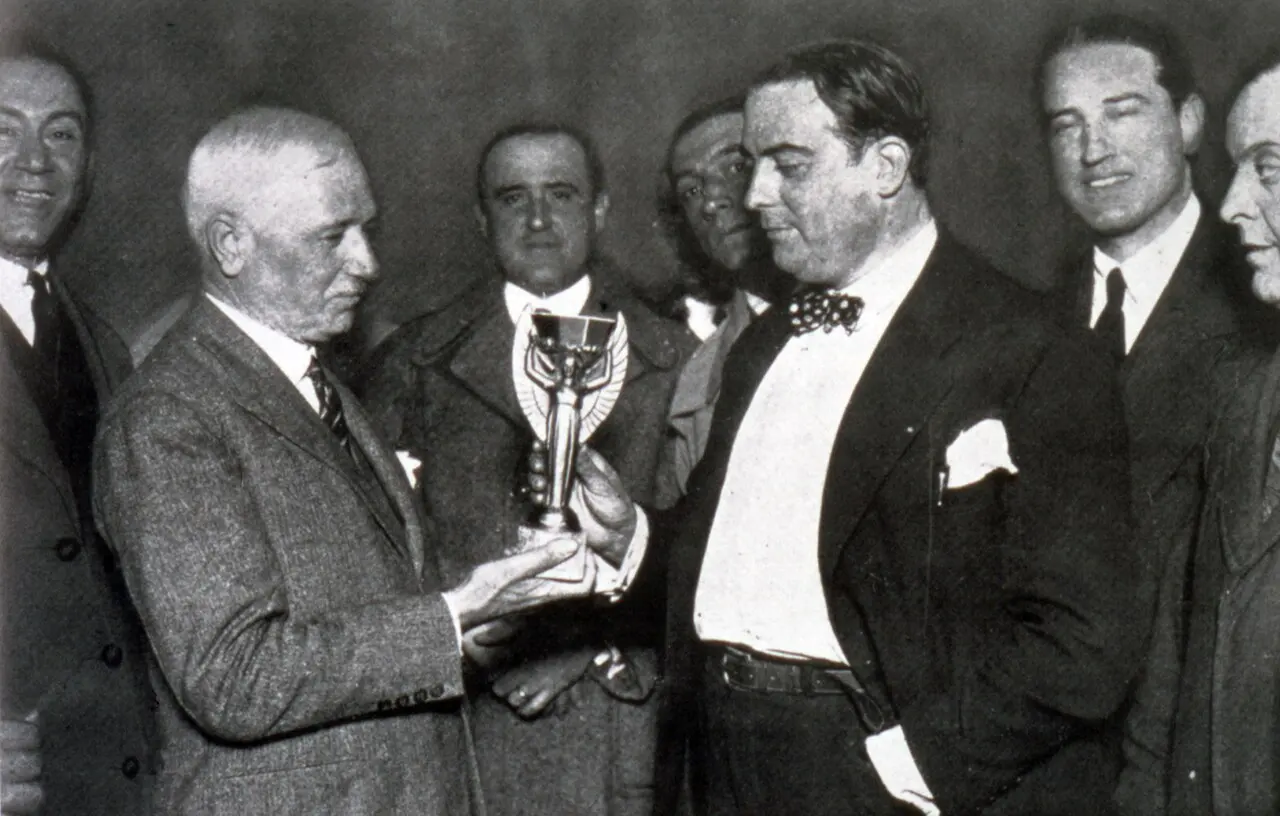

The next day, Joe Mears, chairman of England’s Football Association, received part of the trophy along with a note demanding £15,000. A detective inspector posed as Mears’s assistant and went to the handover with a suitcase that held a little real money on top of a lot of newspaper. The man who turned up, Edward Betchley, was arrested, but he insisted he was only a go-between paid by someone known as “The Pole.” Betchley got two years in prison. Whoever actually stole the trophy was never identified.
A parcel in newspaper
On Sunday, March 27, exactly a week after the theft, David Corbett, a 26-year-old who lived in Upper Norwood in south London, set out with his dog, Pickles. As Corbett later told FIFA, he was heading to a phone box across the road to find out whether his brother’s baby had been born.
Then Pickles began sniffing at something: a package wrapped in newspaper and tied with string. Accounts differ on whether it lay under a hedge or beside the wheel of a neighbor’s car. By his own account, Corbett briefly wondered if it was a bomb, but he tore the paper and saw the names of countries such as Brazil, Germany and Uruguay engraved on it. They were past World Cup winners.
Corbett took the trophy to the local police station. There, the man who had brought it in became the prime suspect. He was questioned for hours and stayed on the list of suspects for weeks before he was cleared.
Pickles’s fame
Corbett and Pickles became celebrities overnight. According to the Irish Times, Pickles was presented with a silver medal by the National Canine Defence League (now the Dogs Trust) and a year’s supply of dog food. He also appeared in a 1966 comedy film, The Spy with a Cold Nose. Corbett collected rewards totaling nearly £6,000.
On July 30 that year, England beat West Germany in the final to win the World Cup for the first time. According to FIFA, Corbett and Pickles were both invited to the victory banquet.
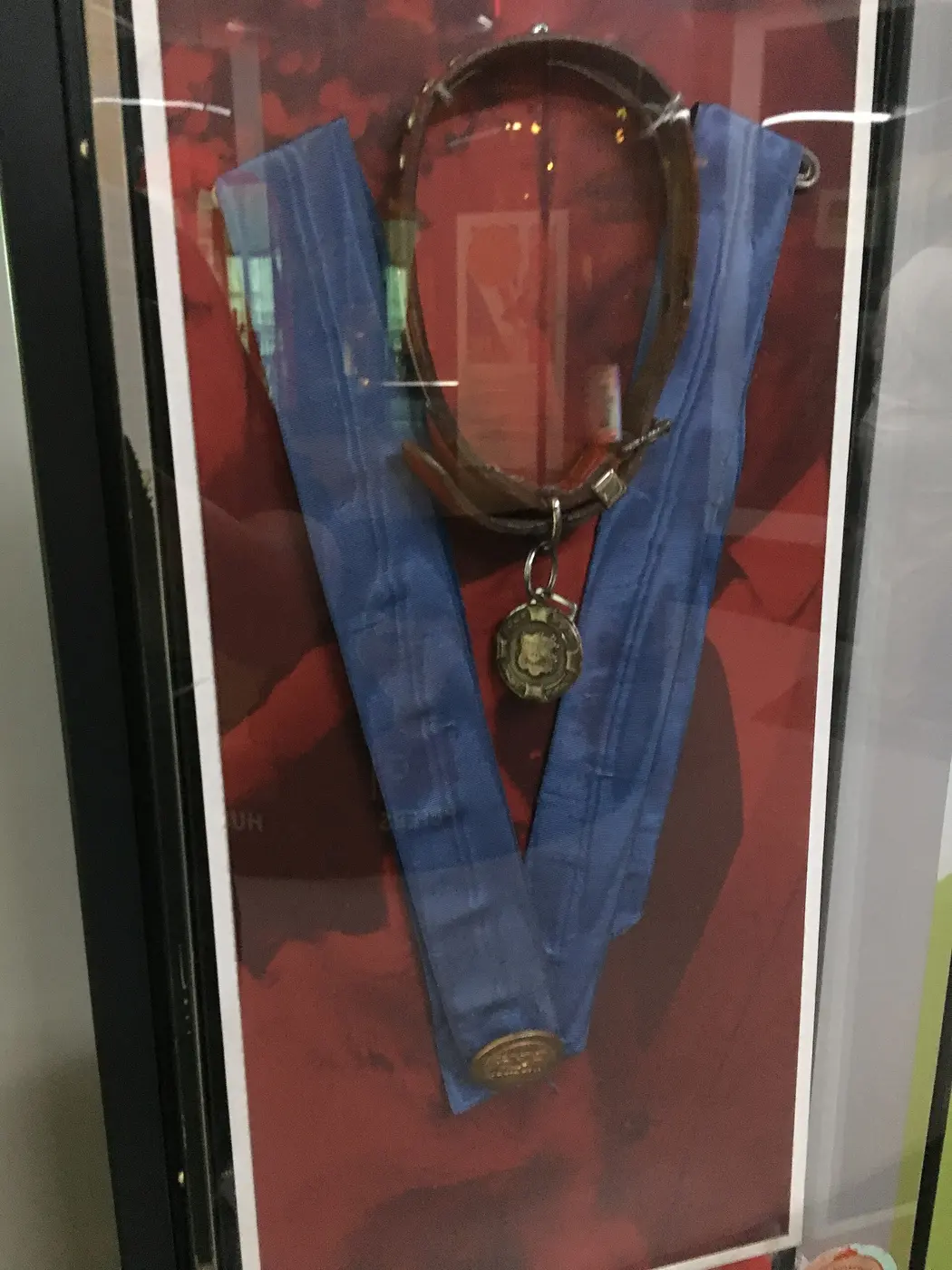

Pickles’s luck did not last. In 1967, while chasing a cat, he was choked by his own lead and died.
Stolen again
When Brazil won its third World Cup in Mexico in 1970, it was allowed to keep the Jules Rimet Trophy for good, and a new trophy was made to replace it.
In 1983, though, the Jules Rimet Trophy was stolen again, this time in Rio de Janeiro. No Pickles came to the rescue, and the trophy has never been found. It is widely thought to have been melted down, but no one knows for sure.
Incidentally, the BBC’s On This Day account of the theft describes the trophy as the “£30,000 solid gold” Jules Rimet trophy. In fact it was gold-plated silver, and £30,000 was the amount it was insured for.