Does “sincere” come from the Latin for “without wax”?
No. That is a folk etymology, and dictionaries reject it. Sincere comes from the Latin adjective sincerus, “clean, pure, whole,” whose own origin is uncertain.
Sincere means genuine, honest, meant from the heart. Millions of letters end with “Sincerely” or “Yours sincerely.”
The word comes with a charming backstory. It supposedly derives from the Latin sine cera, “without wax.”
The tale of the wax
The best-known version involves sculptors. A sculptor who slipped while carving an expensive block of marble would fill the crack with wax, cera in Latin, and hope nobody noticed. Only an honest, flawless piece, made without any wax, could be called sine cera, and so the phrase came to mean “genuine.”
According to Patricia O’Conner and Stewart Kellerman, who write the language blog Grammarphobia, the story comes in countless variations. Sometimes the people hiding flaws in stone are ancient Greek quarrymen, sometimes Roman sculptors, builders or architects. In one version, leaky pots were secretly patched with wax. Another, from the early 1900s, blames dishonest cabinetmakers who used wax to hide knots and cracks in cheap wood. A writer in 1870 claimed that people used to tie their letters with string and seal them with wax, but close friends left off the string and wax and “simply wrote the word ‘sincere.’”
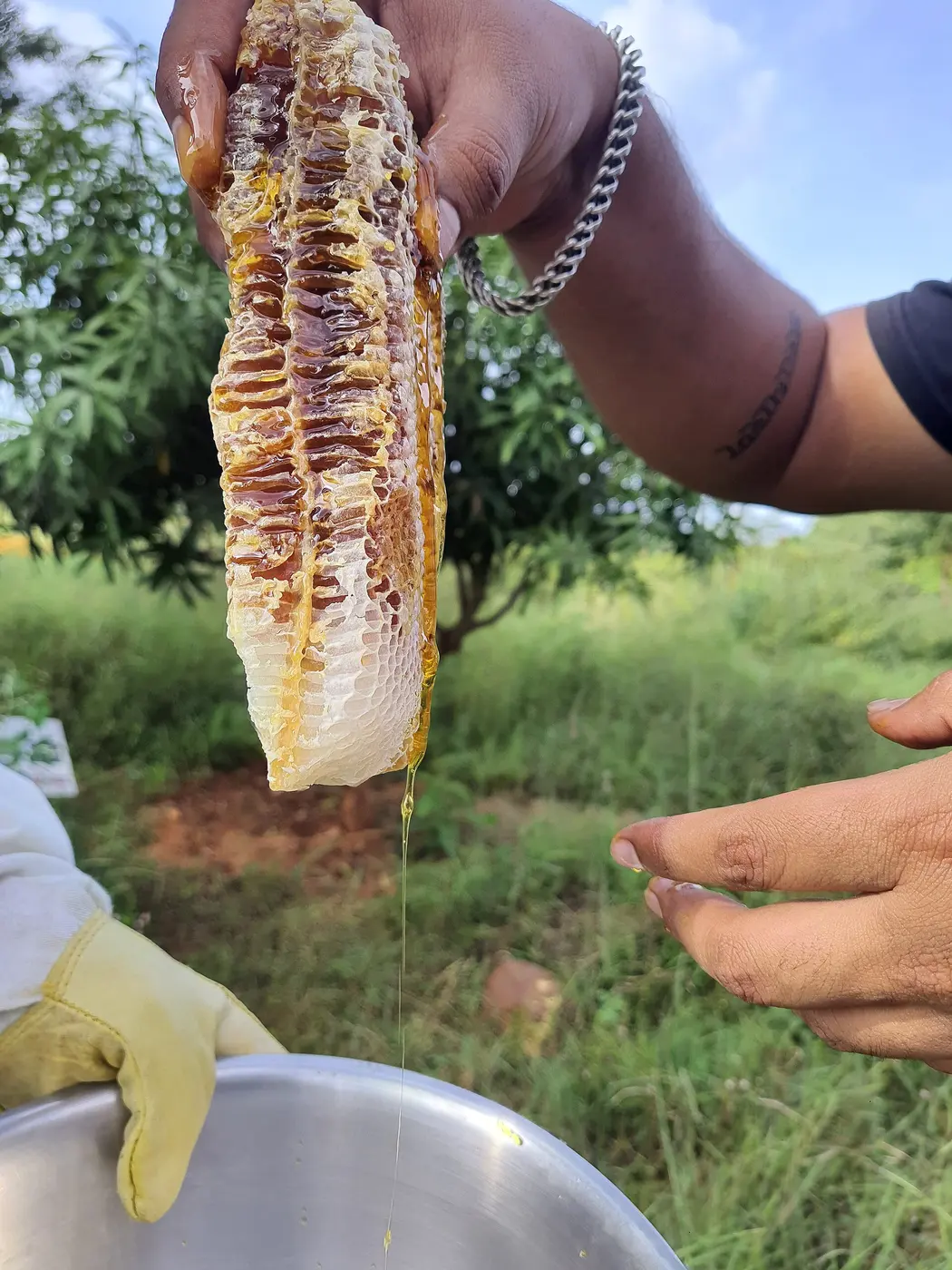
The oldest versions involve honey. In the markets of ancient Rome, the story goes, honey sellers cried “sine cera” to assure buyers that their honey was pure, with no wax from the comb mixed in.

The dictionaries say no
Etymologists reject all of this. Grammarphobia quotes the Oxford English Dictionary: “There is no probability in the old explanation [from] sine cera ‘without wax.’” The Online Etymology Dictionary notes that the wax story is dismissed out of hand by the OED, by the 19th-century American Century Dictionary, which called it “untenable,” and by others, and adds that the tales invented to support it are “even less plausible.”
Sincere came into English through French from the Latin adjective sincerus. Merriam-Webster dates its first known use in English to 1533. According to the Online Etymology Dictionary, it first meant “pure, unmixed, unadulterated,” and also “free from pretense or falsehood.”
What sincerus really meant
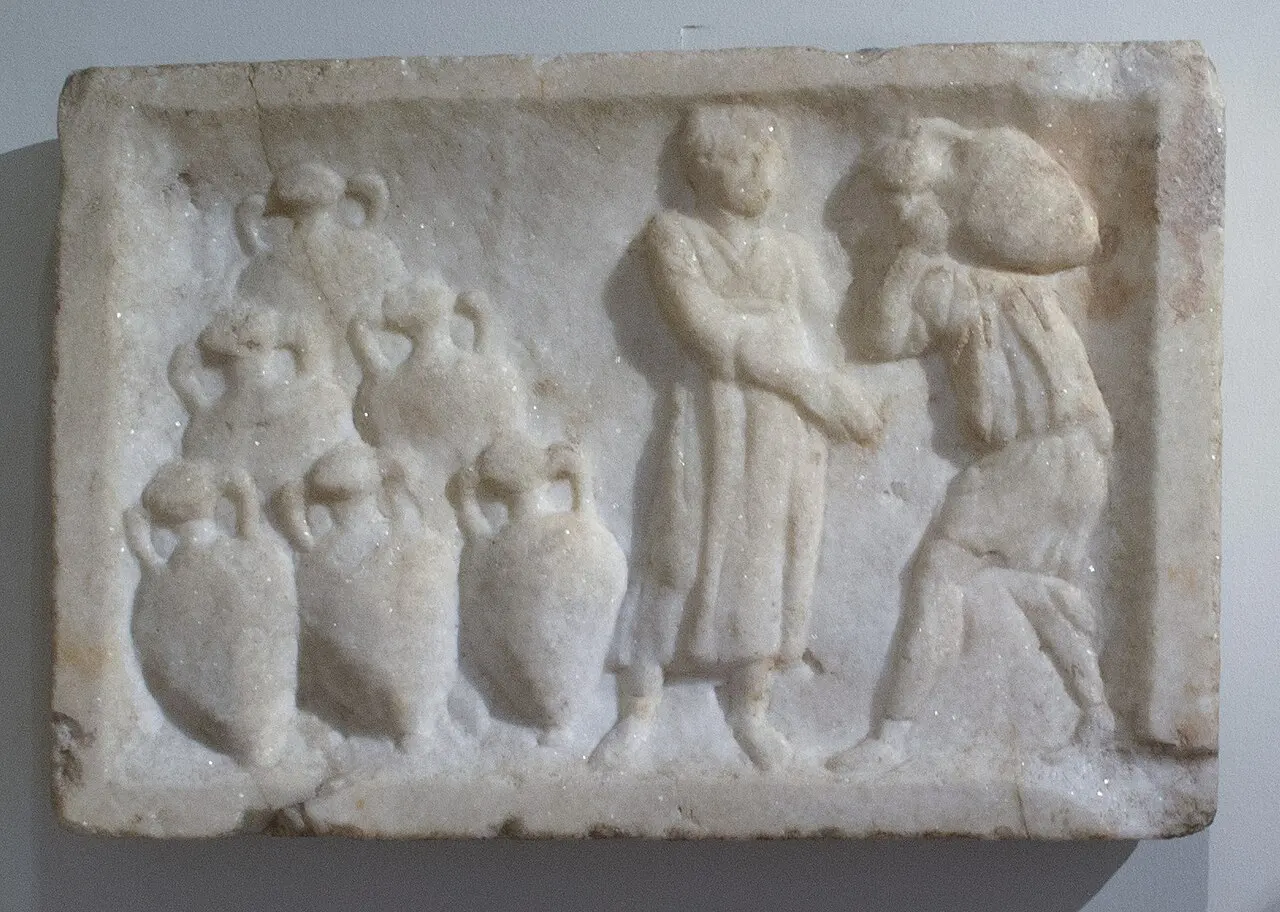
In Latin, sincerus described things that were clean, pure, sound or whole. The classic 19th-century Latin dictionary by Charlton Lewis and Charles Short gives plenty of everyday examples. The poet Horace warned that unless a jar is sincerum, clean, whatever you pour into it turns sour. The philosopher Seneca observed that what flows first from a wine jar is the purest, sincerissimum. Romans used the word for unadulterated milk and saffron, and for a body without a wound. It had nothing to do with wax, and nothing to do with sculpture.

Where sincerus itself came from is genuinely unclear. Merriam-Webster says it probably combines sem-, “one,” with an element related to the Latin crescere, “to grow.” The Online Etymology Dictionary explains that this would make the original sense “of one growth,” that is, “not hybrid, unmixed.” The Dutch linguist Michiel de Vaan, author of an etymological dictionary of Latin, finds another source plausible: a lost Latin adjective, reconstructed as caerus, meaning “whole, intact.” It is tempting to read the first syllable as sine, “without,” the Online Etymology Dictionary concedes, but there is no etymological justification for it.
A very old myth
The wax story has been around for a long time. Grammarphobia has traced versions of it back to the early 1600s, including a religious dictionary from 1661 that defines sincere as “that which is without mixture, as hony without wax.” The 18th-century English theologian John Gill wrote that sincerus “is composed of sine & cera; and signifies without wax; as pure honey, which is not mixed with any wax.”
The myth found a new audience at the end of the 20th century. Dan Brown’s 1998 thriller Digital Fortress tells the version about Renaissance sculptors, but gives it a twist: in the novel, Spanish sculptors patched their flaws with cera, and the English word supposedly comes from the Spanish sin cera.