Does the word “quarantine” really come from “40 days”?
Yes. It comes from the Venetian Italian word for a ship’s isolation period, which usually lasted 40 days. But the first recorded quarantine law, in Ragusa in 1377, set the period at 30 days.
40 days
A quarantine keeps people, animals, ships or cargo apart for a set period to stop an infectious disease from spreading, and the word can also mean the place where they are kept. It is a word everyone knows. Fewer people know that it is, at heart, a number.
According to the American Heritage Dictionary, English quarantine comes from Italian quarantena, a word from the Venetian dialect for the isolation of a ship, so called because the period was usually 40 days. Behind that lies Old Italian quarantina, a period of 40 days such as one set aside for fasting or penance, and ultimately quaranta, “forty,” from Latin quadraginta.
Ragusa, 1377: thirty days
The Black Death swept across Europe in the mid-14th century. In a 2013 article in Emerging Infectious Diseases, the journal of the US Centers for Disease Control and Prevention (CDC), medical historian Eugenia Tognotti writes that organized public responses to disease began during the great epidemic of 1347–1352. Medicine was powerless against plague; the only protection was to avoid infected people and contaminated goods.
The first recorded quarantine began in Ragusa, today’s Dubrovnik in Croatia, a trading port on the Adriatic coast. According to a 2002 note in the same journal, on July 27, 1377, the city’s Great Council issued a decree requiring newcomers from plague-stricken places to spend 30 days in a designated location before entering the city, to see whether symptoms of plague developed. The decree begins Veniens de locis pestiferis non intret Ragusium vel districtum, “Whoever comes from plague-infected places shall not enter Ragusa or its district.” It was recorded in the city’s law book, the Liber Viridis or Green Book, which is kept in the Dubrovnik archives.
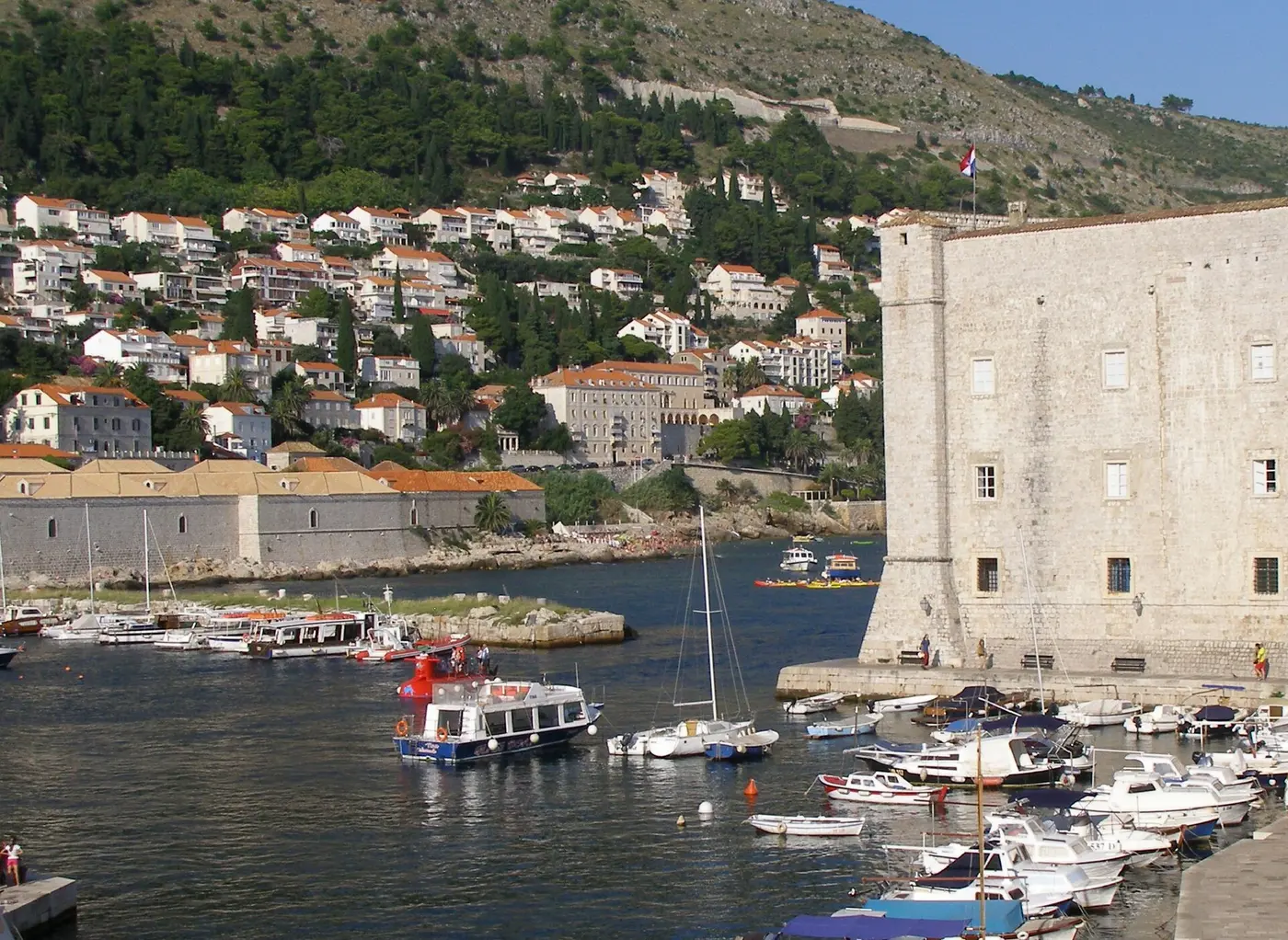

According to a 2021 paper by Croatian researchers, the newcomers were isolated at first on nearby islands and later in a separate building at the entrance to the port. For a city that lived by trade, shutting the gates and halting commerce would have meant famine and financial ruin. Quarantine let business go on, on a smaller scale, while keeping the plague out.
From 30 days to 40
Ragusa’s 30-day isolation was called a trentino, from the Italian for thirty. According to an “Etymologia” column in the CDC journal in 2013, the practice spread to other cities over the following decades, and the period was extended from 30 to 40 days. That is how the number 40 got into the name.
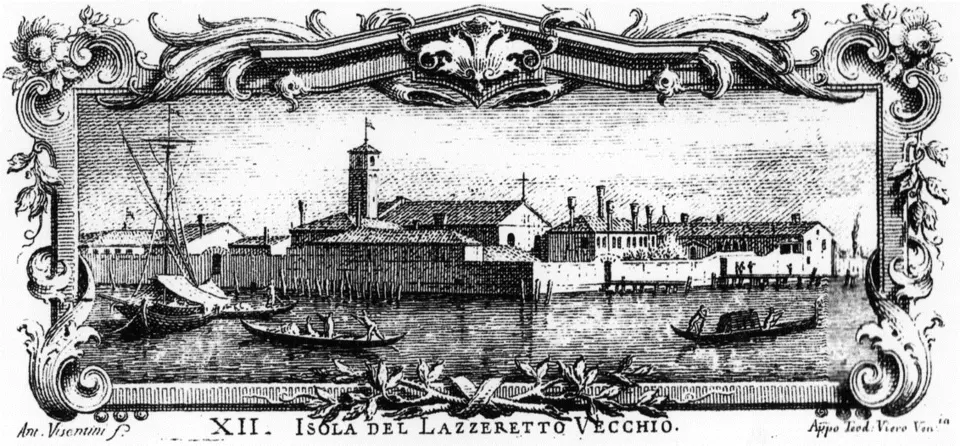
Venice, the great hub of Mediterranean trade, led the way in keeping disease out. Tognotti writes that in 1423 the Venetian Republic opened the first permanent plague hospital on the small island of Santa Maria di Nazareth, outside the city. It was commonly called Nazarethum or Lazarethum, a name that echoed the biblical Lazarus, and quarantine hospitals came to be known as lazarettos. Ships suspected of carrying plague were sent to the quarantine station, where passengers and crew were isolated and the vessel was fumigated and held for 40 days. Genoa, Marseille and other ports later adopted similar systems.
Why 40?
So why 40 days? Tognotti writes that no one knows. She lists several possibilities: the ancient Greek physician Hippocrates’ ideas about acute illnesses, the Pythagorean theory of numbers, and the 40 days that Jesus spent in the wilderness, according to the Bible. Forty days was also believed to be the time needed for the “pestilential miasma,” the bad air thought to cause disease, to dissipate from bodies and goods.
The CDC’s etymology column offers two possibilities: the longer period may have worked better at preventing disease, or it may simply have been a nod to the 40 days of biblical events such as the Great Flood or Jesus’ fast. No evidence so far settles the question.

A word that outgrew its number
Once in English, the word began to drift away from its 40 days. On November 26, 1663, the naval administrator Samuel Pepys wrote in his diary that plague was growing “more and more at Amsterdam,” and that ships coming from there and other infected places were to perform their quarantine at Holehaven, in the Thames estuary, “a thing never done by us before.”
Pepys added a note on the word itself: the order of the Council called for thirty days, “contrary to the import of the word, though in the general acceptation it signifies now the thing, not the time spent in doing it.” Given that the very first quarantine had lasted 30 days too, there is a nice irony there. Today quarantine periods vary with the disease. But the name still carries the number 40, more than 600 years on.