Is “no side” a rugby term only Japan still uses?
Mostly, yes, but it isn’t Japanese in origin. It comes from 19th-century England and is still in English dictionaries. English speakers now say “full time,” and it is Japan that kept the phrase alive.
When a rugby match ends in Japan, people call it nōsaido: “no side.” The phrase carries the idea that once the final whistle blows, there are no longer any opponents, and the “no-side spirit” is a familiar expression far beyond rugby.
It is also often said that the term is no longer used in English-speaking countries and only makes sense in Japan. That is half right. “No side” is not a Japanese coinage made from English words. It was born in 19th-century England, and you can still find it in English dictionaries today.
“No side” in an 1857 novel
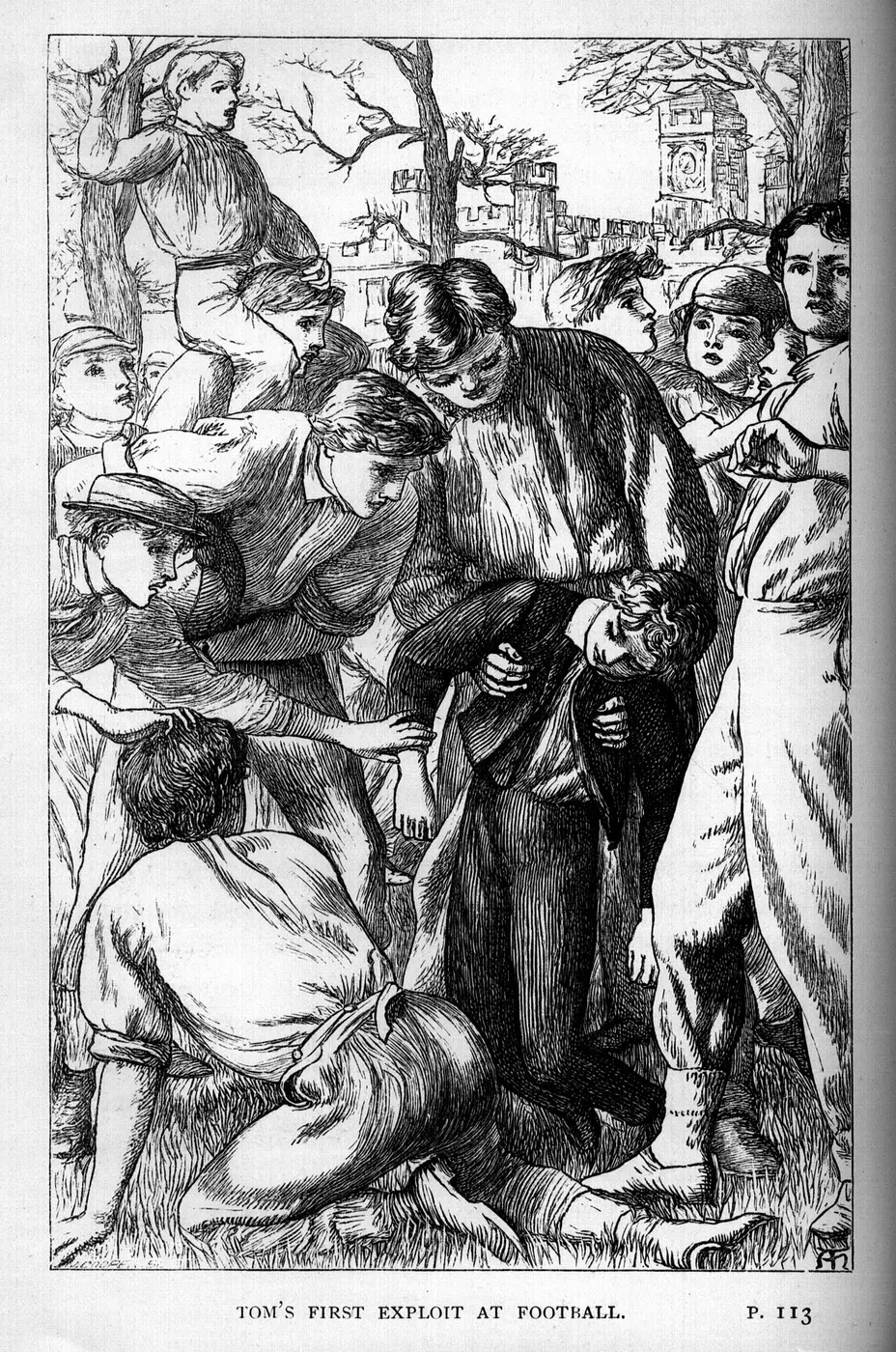
An early example appears in Thomas Hughes’s novel Tom Brown’s School Days (1857), set at Rugby School, where the game is said to have begun. In the big match between Tom’s house and the rest of the school, the new boy Tom throws himself on the ball in front of his own goal and is flattened by the oncoming rush. He is hauled out, gets his wind back, and is pronounced “a plucky youngster” by the captain of his house. Then, the novel says, “five o’clock strikes. ‘No side’ is called, and the first day of the School-house match is over.” The match was played over more than one day.

The phrase lived on as the name for the end of a match. In the early 20th century, P. G. Wodehouse could still write in a 1904 school story that “the whistle blew for no-side.” The Oxford Advanced Learner’s Dictionary lists it to this day, defining “no side” as “(in rugby) the end of the game,” with the example sentence “The whistle went for no side.”
“Full time” takes over
Even so, hardly anyone in the English-speaking rugby world calls the end of a match “no side” now. The Japanese dictionary Digital Daijisen notes that this sense of the word is used mainly in Japan, and that “full time” is the usual term elsewhere. According to the Japanese encyclopedia Nipponica, the laws of rugby defined “no side” as the end of a match until 1999.
In April 2018, the organizing committee of the 2019 Rugby World Cup in Japan announced that the tournament’s volunteers would be called “Team No-Side.” As the Japanese sports paper Daily Sports pointed out, overseas rugby glossaries describe “no side” as an old term that has given way to “full time.” The organizers chose it deliberately, saying the name embodied the no-side spirit that Japanese rugby had nurtured. World Rugby, the sport’s global governing body, also explained in 2019 that the term once used by referees to end a match had survived in Japan.
A spirit that grew in Japan
The oldest Japanese example cited by Nihon Kokugo Daijiten, the country’s largest historical dictionary, comes from a 1932 dictionary of modern words. Japanese dictionaries explain the term as meaning that there is no longer any distinction between friend and foe. Digital Daijisen even gives a figurative sense outside rugby: praising each other’s efforts, or making peace, once a fight is over.
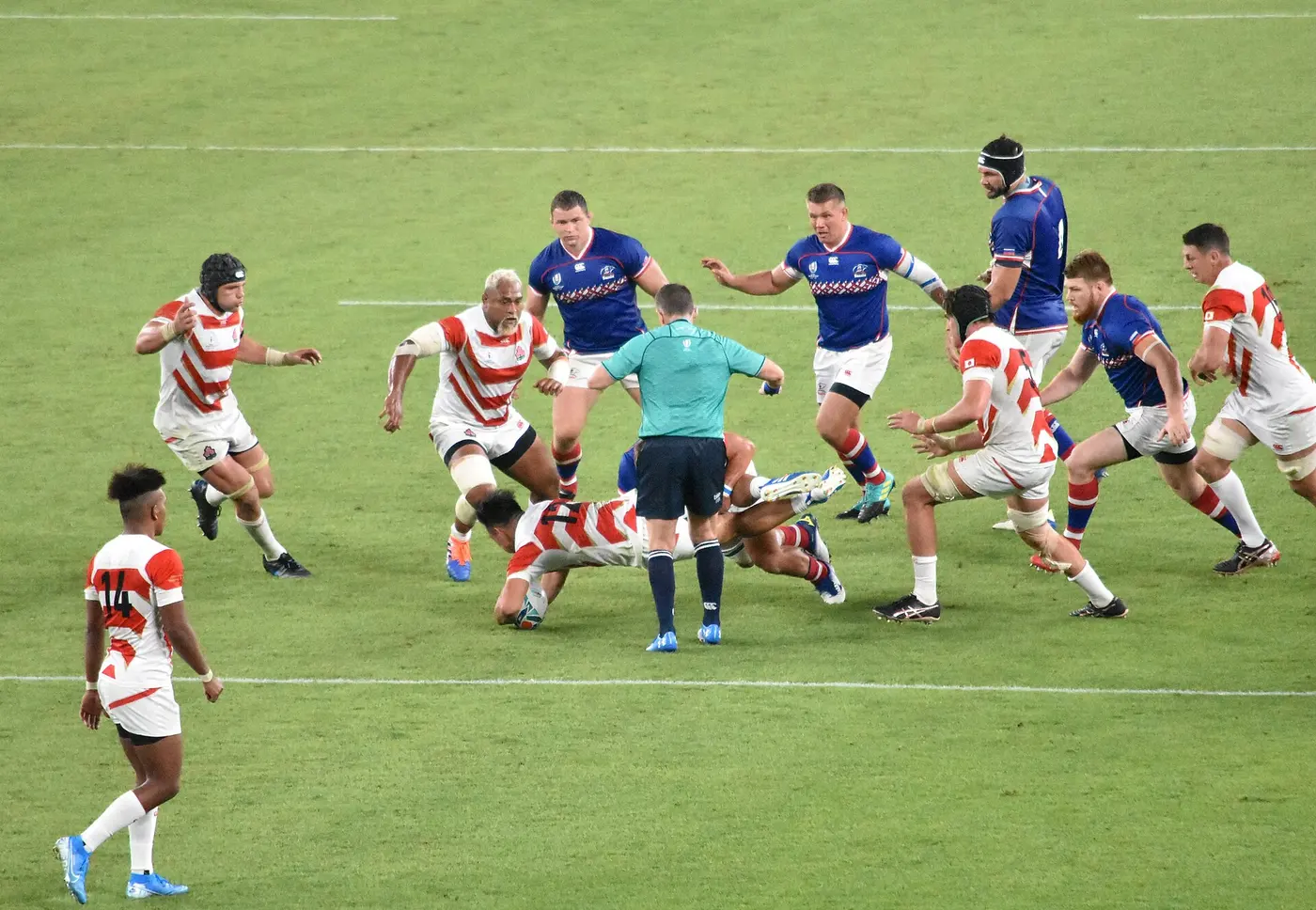

A pop song helped spread the phrase. In 1984, the singer-songwriter Yumi Matsutoya released a song called “No Side,” and the Daily Sports reporter mentioned above recalled that it was the first rugby term he ever learned.
The custom of honoring the other team once the game is over is not unique to Japan, of course. The Japan Rugby Football Union describes the “after-match function,” where both teams get together after a game to celebrate each other’s efforts, as one of rugby’s traditions. What happened, it seems, is that Japan took a phrase that was fading in English and attached that tradition to it. In January 2026, the union chose “No Side Spirit” as the theme of its bid to host the 2035 men’s Rugby World Cup, and said it would spread the idea around the world.