Can eating too many mandarins turn your hands yellow?
Yes. Pigments from the fruit build up in the skin, a harmless condition called carotenemia that fades once you eat fewer.
8×
A classic Japanese winter scene: the family sitting at a kotatsu, a low table with a heater underneath and a quilt draped over it, with a basket of mikan, Japanese satsuma mandarins, in the middle. One mandarin leads to another, and before long the basket is empty. Spend a whole winter like that, and one day you may notice that your palms look distinctly yellow.
In Japan, “eat too many mikan and your hands turn yellow” is a familiar saying. It is not a superstition. It really happens. So what is going on in the body, and is there any reason to be concerned?
It’s called carotenemia
The condition is known in Japanese as kanpishō, or in medicine as carotenemia. The Nihon Kokugo Daijiten, Japan’s largest dictionary, describes it as a yellowing of the skin, most noticeable on the palms and soles, that does not itch and is caused by eating too many mandarins, pumpkins, tomatoes or nori seaweed.
The culprits are carotenoids, the yellow and orange pigments in these foods. According to the Japanese home medical reference Katei Igakukan, carotene tends to collect in fatty tissue and in the stratum corneum, the outermost layer of the skin, which is why the palms and soles, where that layer is thick, look especially yellow. The Heibonsha World Encyclopedia adds that the pigment can come out with sweat and stain the palms and soles.
According to the Nipponica encyclopedia, it is rare for the whole body to turn yellow, and the condition is most often seen in children and in vegetarians.
The mandarin’s pigment
One of the carotenoids that gives mikan their vivid color is beta-cryptoxanthin. Japan’s National Agriculture and Food Research Organization (NARO) has studied it as a pigment found in particularly large amounts in satsuma mandarins.
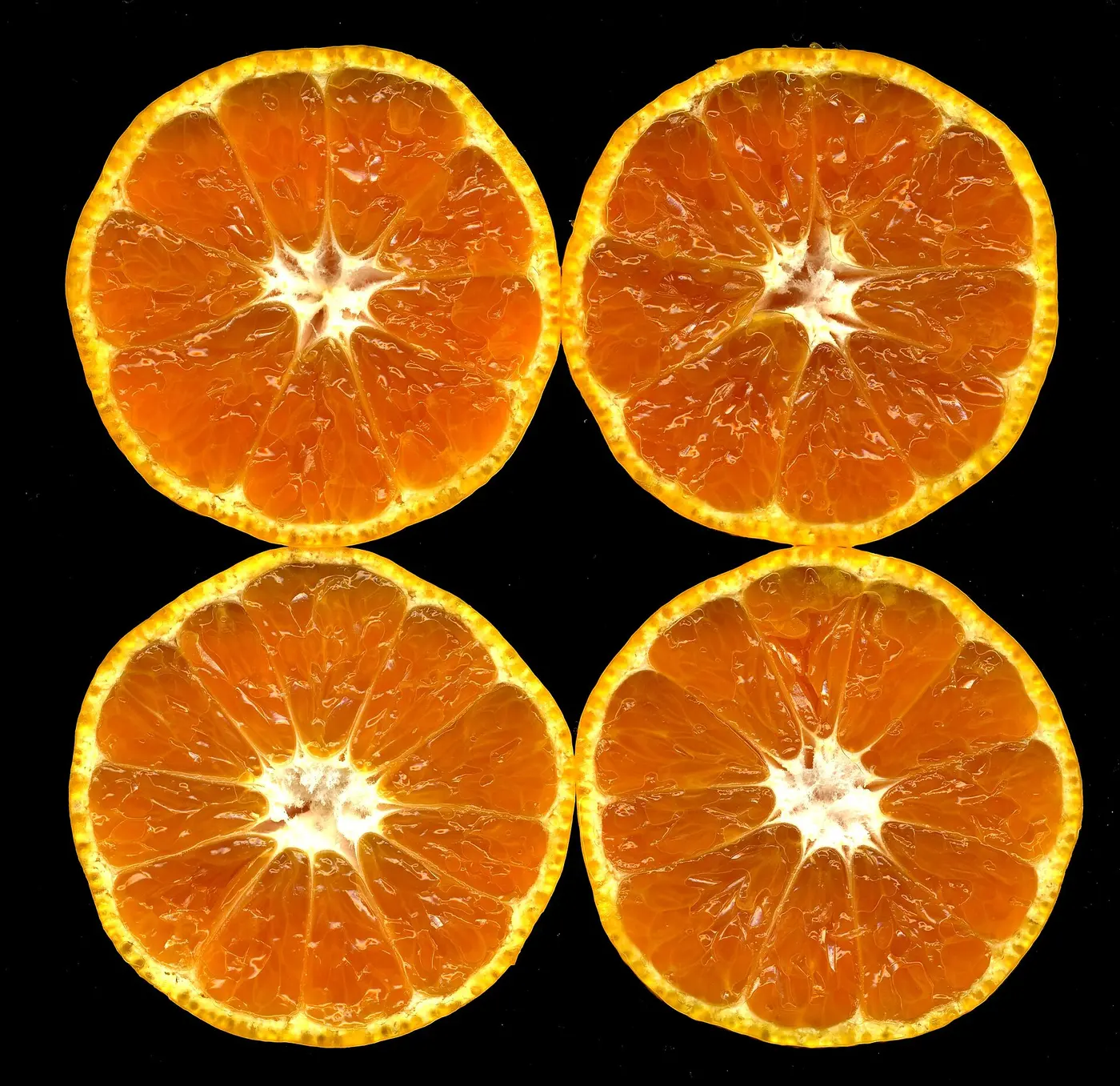

The Standard Tables of Food Composition in Japan, published by the Ministry of Education, put the numbers side by side. A 100-gram serving of satsuma segments contains 1,700 micrograms of beta-cryptoxanthin. Navel orange has 210 micrograms, about one-eighth as much, and white grapefruit has none at all. No wonder mikan are the fruit most associated with yellow hands.
Check the whites of the eyes
Yellow skin might make you think of jaundice, which can be a sign of liver disease. The way to tell them apart is to look at the whites of the eyes.
In jaundice, the whites of the eyes turn yellow too. In carotenemia, they stay white. DermNet, a dermatology resource based in New Zealand, explains that the whites of the eyes and the lining of the mouth lack a stratum corneum, so the pigment does not build up there.
Carotenemia itself is harmless and needs no treatment. If you cut back on mandarins, your skin will return to its usual color on its own, though because the pigment has accumulated in the tissues, this can take several months.
On the other hand, if the whites of your eyes are yellow too, or your hands turn yellow even though you have not been eating much carotenoid-rich food, another condition could be the cause. If you are concerned, see a doctor rather than diagnosing yourself.
Research in mandarin country
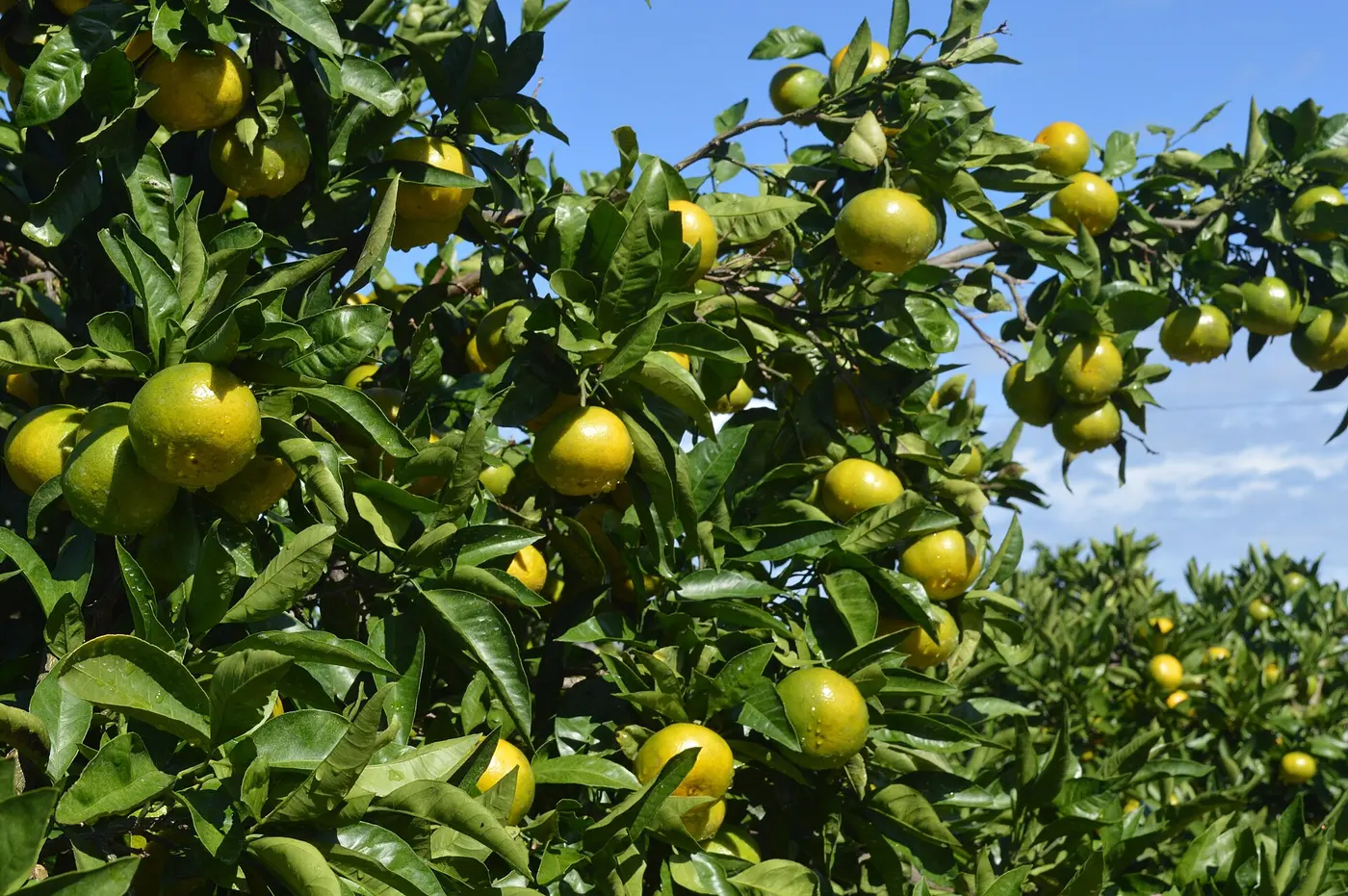
The town of Mikkabi in Hamamatsu, Shizuoka Prefecture, is one of Japan’s best-known mandarin-growing areas, and in 2003 it became the site of the Mikkabi Study. NARO and its partners have been examining the diets and blood of local residents.
In one part of the study, postmenopausal women were followed for four years. Those whose blood levels of beta-cryptoxanthin were high at the start had about a 92 percent lower risk of developing osteoporosis than those with low levels, according to a paper published in 2012. The women in the high group were eating about four mandarins a day. This shows an association, however, and does not prove that eating mandarins prevents osteoporosis.

Yellow palms, in other words, are a sign that the fruit’s pigment is being absorbed into your body. Still, as with most good things, moderation is wise.