Was karate born in Okinawa?
Yes. It grew up in Okinawa in the days of the Ryukyu Kingdom, and it was originally written with characters meaning “Chinese hand.” The spelling “empty hand” only caught on in the 1920s and ’30s.
Karate is usually listed alongside judo and kendo as one of Japan’s martial arts, and in 2021 it became an Olympic sport in Tokyo. But while judo grew out of jujutsu and kendo out of traditional swordsmanship, karate’s home is not the Japanese mainland at all. It comes from Okinawa, in the days when the islands were the independent Ryukyu Kingdom.
Its name was not even written the way it is today: the original spelling meant “Chinese hand.” This is the story of how a martial art from Okinawa crossed the sea and changed its name along the way.
Ryukyu’s “te”
Nobody knows exactly how karate began. According to Okinawa Prefecture, its roots lie in a form of self-defense studied by the gentry of the Ryukyu Kingdom as part of a cultivated education. One early clue comes from Xu Baoguang, a deputy envoy who came to Ryukyu from China in 1719. In a book he published in 1721, he recorded a Ryukyuan word for a punch, which the prefecture identifies with tijikun, the Okinawan term for a straight fist. By then, it suggests, an unarmed fighting art known simply as te, or “hand,” already existed.
The Encyclopedia Nipponica, a leading Japanese reference work, says one theory holds that Chinese boxing, brought in through Ryukyu’s long ties with China, was the main source. But there are no reliable documents showing how the Ryukyuans adopted it, and there is no settled answer. A popular story says that karate developed because Ryukyu’s kings and later the Satsuma domain in southern Japan banned weapons. That theory, spread partly through the early writings of Gichin Funakoshi, the man who would later bring karate to Tokyo, has been called into question since the war, after scholars reread an inscription that had been cited as evidence.
Chinese influence is clear enough in the name, however. The art was also called toudi, written with characters meaning “Tang hand,” Tang being an old name for China. One of the earliest masters whose name has come down to us, Kanga Sakugawa, was nicknamed “Toudi Sakugawa.”

From school gyms to Tokyo
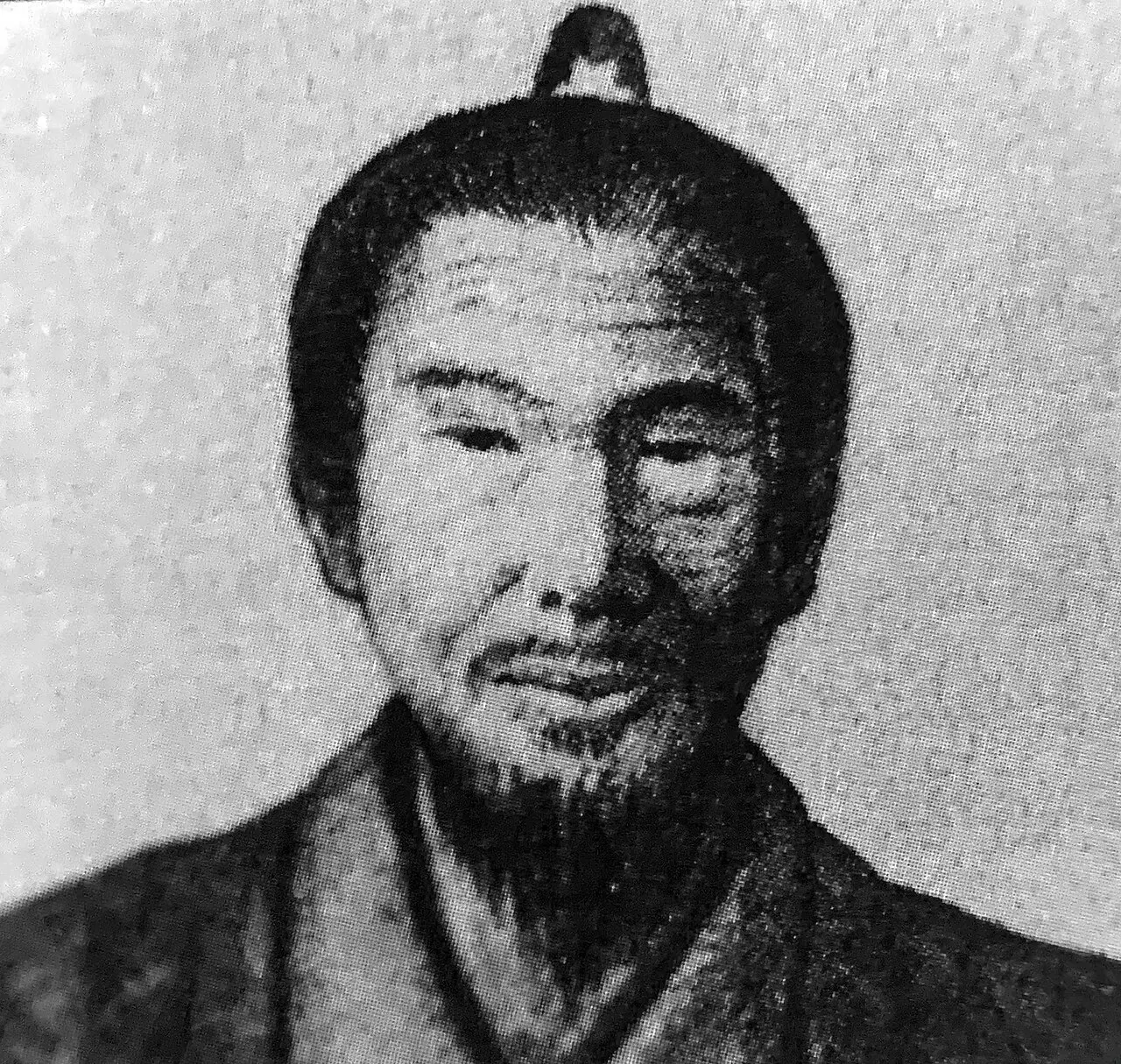
After the Ryukyu Kingdom was turned into Okinawa Prefecture in 1879, the art changed dramatically. Thanks largely to the master Anko Itosu, it was introduced into Okinawa’s schools in the early 1900s, and Itosu created a set of forms, the pinan kata, that children could learn easily. Because jujutsu and kendo did not enter mainland schools until a few years later, the Encyclopedia Nipponica calls Okinawan karate a pioneer of martial arts in Japanese schools.
The art made its real mainland debut in 1922, when the Ministry of Education held its first physical education exhibition in Tokyo. At the request of Okinawa’s education officials, Gichin Funakoshi traveled to the capital to present it. The exhibition caused little stir, but a demonstration at the Kodokan, the headquarters of judo, arranged with the help of judo’s founder Jigoro Kano, drew hundreds of spectators and newspaper coverage. Funakoshi stayed in Tokyo, and karate clubs began springing up at universities.
From “Chinese hand” to “empty hand”
In 1924, Keio University set up the first karate club at a mainland university, with Funakoshi as its instructor. According to Keio’s magazine Mita Hyoron, the club’s diary for April 15, 1929, reads: “From this school year, we resolutely change ‘Chinese hand’ to ‘empty hand.’ The reading stays the same.” The aim was to remove the Chinese flavor. Both versions are pronounced “karate”; only the first character changed, from 唐 (China) to 空 (empty). That autumn the club went further, declaring its art “karate-do,” the way of karate, in line with jujutsu and kenjutsu having become judo and kendo.
The new characters also suited an art of self-defense without weapons. Funakoshi published his manual Karate-do Kyohan in 1935, and the new spelling spread across the mainland. In Okinawa itself, on October 25, 1936, leading masters gathered in Naha at a round-table discussion organized by the Ryukyu Shimpo newspaper and agreed to standardize on the “empty hand” spelling. In 2005, the Okinawa Prefectural Assembly declared October 25 “Karate Day.”
From Okinawa to the Olympics
After World War II, karate spread around the globe. The assembly’s Karate Day declaration estimated that some 50 million people practice it worldwide.
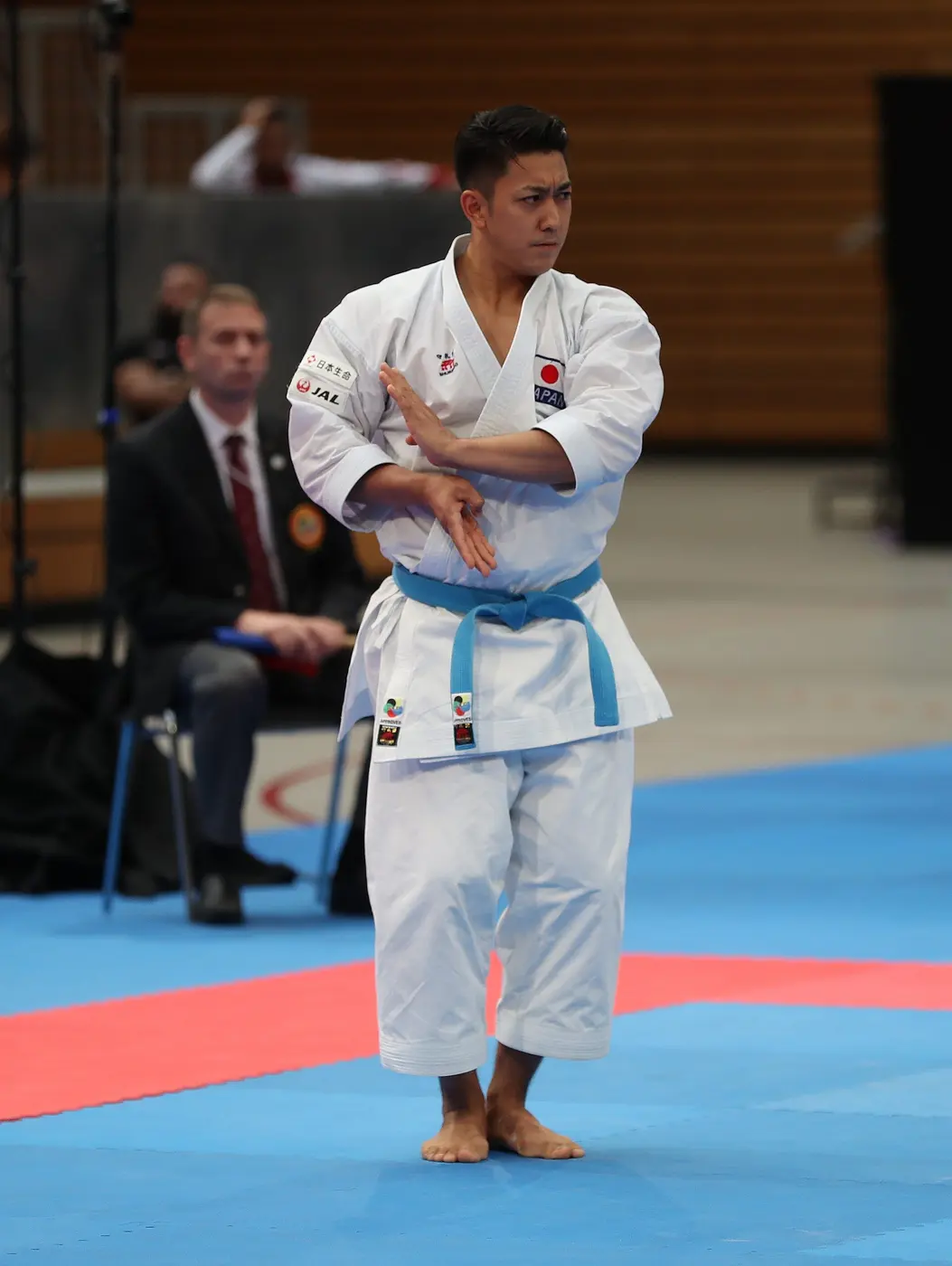

Karate made its Olympic debut in Tokyo in 2021, at Games postponed by a year because of the COVID-19 pandemic. The venue was the Nippon Budokan, and there were two disciplines: kata, solo demonstrations of set forms, and kumite, one-on-one sparring. The men’s kata gold went to Ryo Kiyuna of Okinawa City. Almost a century after Funakoshi brought the art to Tokyo, an athlete from its birthplace stood atop the Olympic podium in the same city.
Karate was not included at the 2024 Paris Games.