When was the penalty shootout invented?
It entered the international rules in 1970. Before that, drawn matches were sometimes settled by a coin toss or by drawing lots.
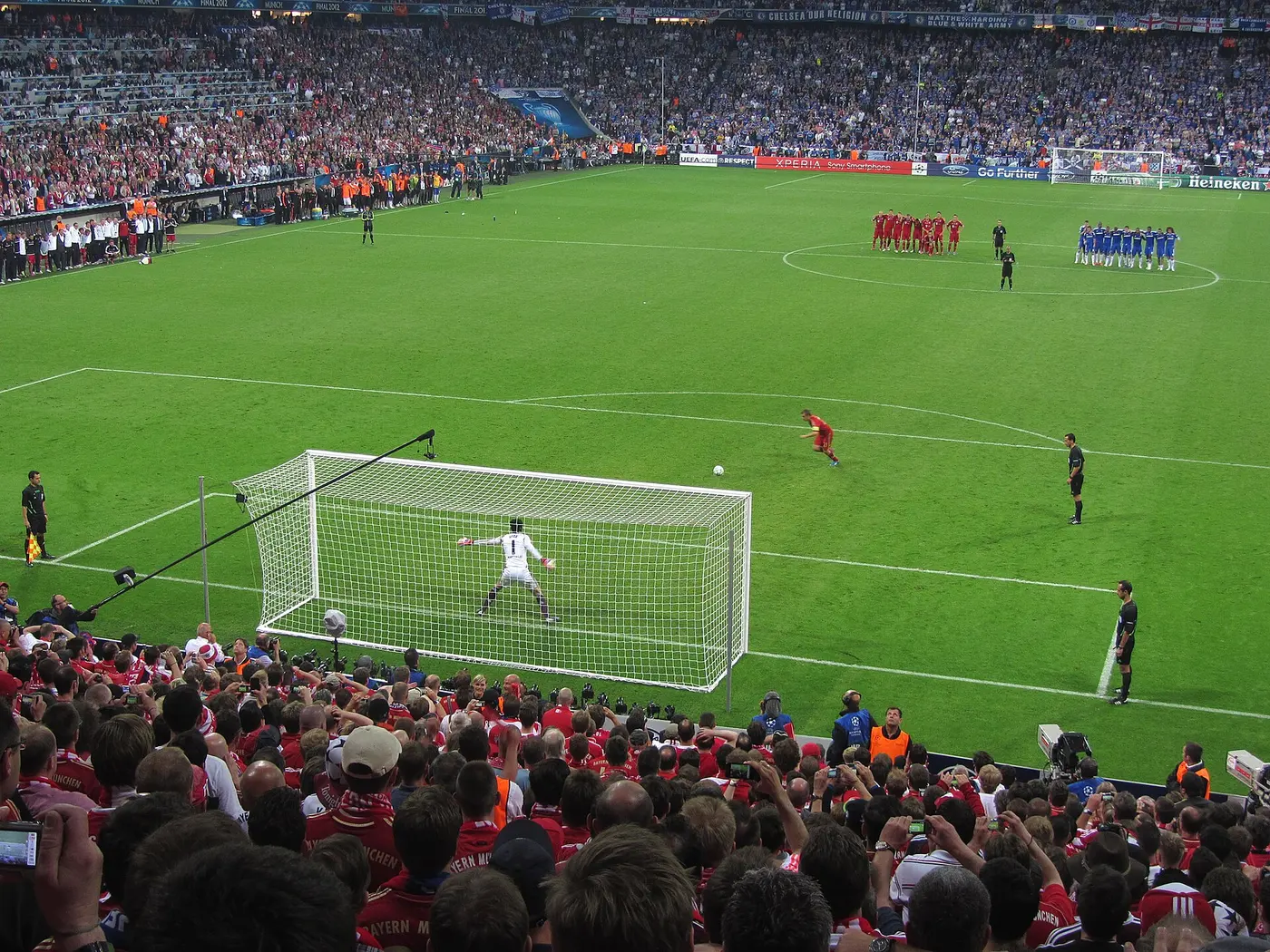
When 120 minutes of football still haven’t produced a winner, the players line up arm in arm in the center circle and walk, one at a time, to the penalty spot. With cheers and groans alternating after every kick, the penalty shootout may be the cruelest stretch of time in soccer, and the hardest to look away from.
Japan’s national team has been through it twice at the World Cup. In South Africa in 2010 they lost a shootout 5–3 to Paraguay, and in Qatar in 2022 they went down 3–1 on penalties to Croatia, missing out on the quarter-finals both times. So when, and how, did the shootout come about?

A place in the final, on the flip of a coin
Before the shootout, drawn matches were settled in all sorts of ways. Sometimes the teams met again in a replay on another day. Sometimes the result was simply left to a coin toss or a drawing of lots.
The most famous case is the European Championship semi-final between Italy and the Soviet Union, played in Naples on June 5, 1968. After extra time it was still 0–0, so the outcome was left to a coin. Italy’s captain, Giacinto Facchetti, later recalled: “The referee pulled out an old coin and I called tails. It was the right call and Italy were through to the final.” Italy went on to win the tournament.
That autumn, at the Mexico City Olympics, Israel and Bulgaria drew 1–1 in a quarter-final, and Bulgaria went through on a drawing of lots. Israel’s captain, the story goes, pulled a slip of paper marked “no” out of a huge sombrero.
An alternative to “cruel” lots
The defeat troubled Yosef Dagan, then general secretary of the Israel Football Association. Together with the association’s chairman, Michael Almog, he wrote to the president of FIFA, world soccer’s governing body. Calling the drawing of lots “cruel,” they proposed that each team take five penalty kicks, and that if the score was still level, the teams keep taking one kick each until one scored and the other missed. The letter was published in FIFA’s official magazine in 1969.
Around the same time in West Germany, a referee named Karl Wald was championing a similar idea. At his suggestion, the Bavarian Football Association added the shootout to its rules in May 1970. Nobody can say for sure who the true inventor was, and both men are named as its originators.
Then, on June 27, 1970, the International Football Association Board (IFAB), the body that writes the Laws of the Game, formally adopted the penalty shootout.
The first shootouts, and a legendary kick
The first shootout in a professional match came just over a month later. On August 5, 1970, Hull City met Manchester United in a semi-final of England’s Watney Cup. After a 1–1 draw, the first player to step up was George Best, and the first to miss was Denis Law, both stars of the day. United won the shootout 4–3.
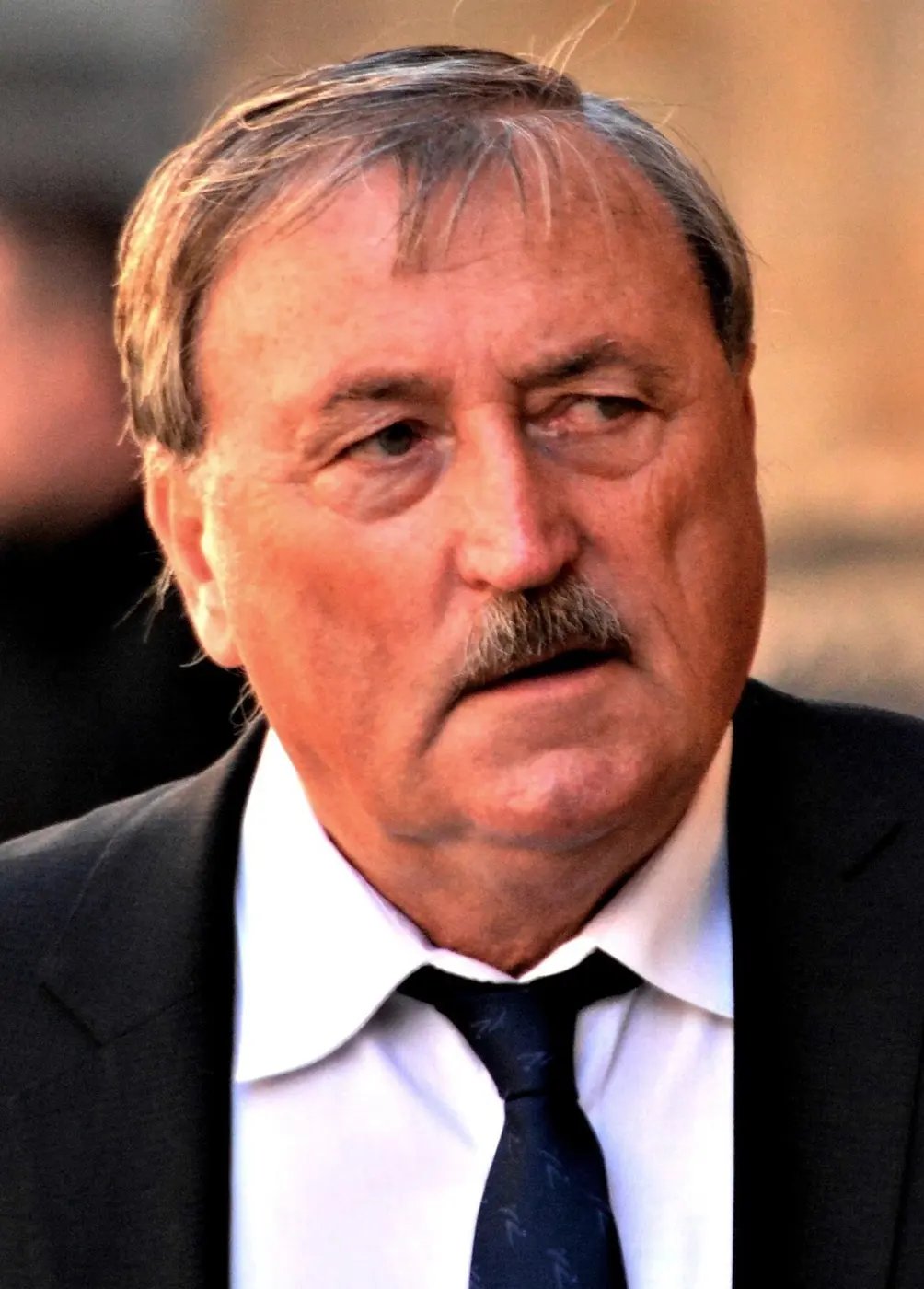
The first major international tournament to be decided on penalties was the 1976 European Championship. In the final, played in Belgrade, Yugoslavia, on June 20, Czechoslovakia and West Germany drew 2–2. After West Germany’s Uli Hoeneß blasted his kick high over the bar, Czechoslovakia’s Antonín Panenka waited for the goalkeeper to dive and gently chipped the ball into the middle of the net. To this day, that kind of penalty is called a “Panenka.”

The first shootout at a World Cup finals came on July 8, 1982, in the semi-final between West Germany and France in Seville, Spain. The match finished 3–3 after extra time, and West Germany won the shootout 5–4.
Does kicking first help?
Before a shootout, the referee tosses a coin to decide which goal will be used and which team kicks first. A study published in 2010 found that the team kicking first won about 60 percent of the time, which sparked talk that the second team suffers from the pressure of always playing catch-up. Another study, looking at more shootouts, found the figure was only about 53 percent, which could easily be chance.
In 2017, the IFAB trialed an “A-B-B-A” kicking order, like the serving order in a tennis tiebreak. The procedure proved confusing and never won much support, so the board dropped it in 2018.