Does MSG give you headaches?
There is no consistent evidence that MSG eaten in normal amounts with food causes headaches or other symptoms. The suspicion began with a single letter to a medical journal in 1968.
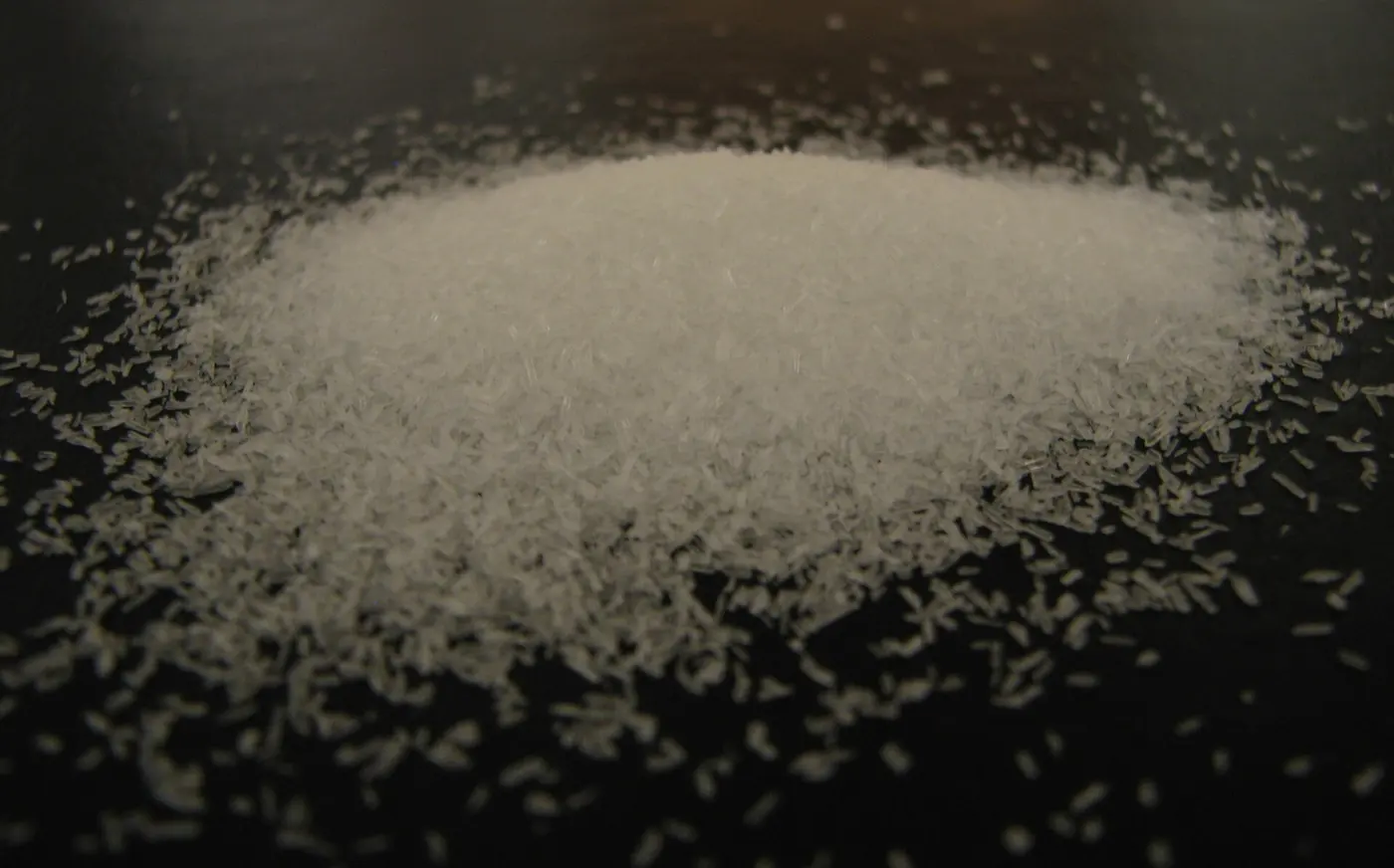
Monosodium glutamate, better known as MSG, is a widely used flavor enhancer. It is a convenient powdered form of glutamate, the substance that the Japanese chemist Kikunae Ikeda identified in 1908 as the source of the savory taste of kombu seaweed broth, which he named umami. It went on sale in Japan the following year under the brand name Ajinomoto.
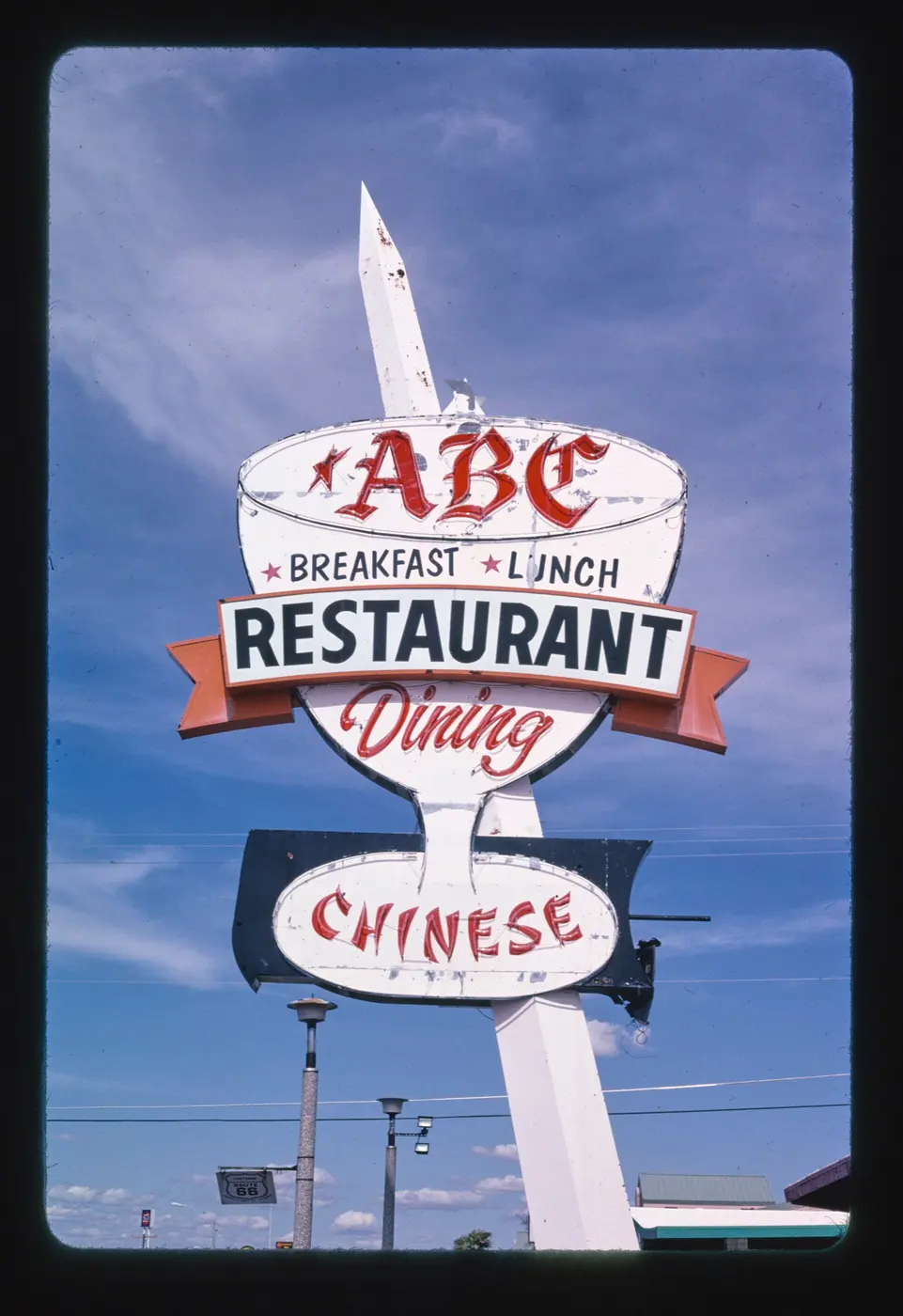
MSG has long had a bad reputation, especially in the United States. Eating it supposedly brings on headaches, numbness in the neck and palpitations, a set of symptoms that came to be called “Chinese restaurant syndrome.” The suspicion runs so deep that the U.S. Food and Drug Administration has rules on when a food may be labeled “No MSG.” Trace the story back, and it leads to a single letter.
A letter to the editor
On April 4, 1968, the New England Journal of Medicine published a letter from a doctor named Robert Ho Man Kwok.
“For several years since I have been in this country,” it began, “I have experienced a strange syndrome whenever I have eaten out in a Chinese restaurant.” About 15 to 20 minutes after the first dish, he wrote, he felt numbness at the back of his neck that gradually spread to both arms and his back, along with general weakness and palpitations. The symptoms lasted about two hours. Kwok went through possible causes, such as soy sauce, cooking wine and the food’s high salt content, and then added that “others have suggested” the culprit might be the monosodium glutamate used so heavily as a seasoning in Chinese restaurants. He closed by asking other doctors to look into it.
The journal ran the letter under the heading “Chinese-Restaurant Syndrome.” It set off a flood of letters from other readers, some describing similar experiences and some poking fun at the whole idea. By May, The New York Times had picked up the “syndrome,” and the term spread fast.
Putting it to a blind test
In 1969, a team of American researchers published a paper in Science concluding that MSG was the cause of Chinese restaurant syndrome. But according to Ian Mosby, a Canadian historian who has studied the episode, there were almost no double-blind studies at the time.
In a double-blind trial, neither the participants nor the researchers know who is getting the real substance and who is getting a placebo, which keeps expectations from skewing the results. In 2000, a team led by researchers at Harvard reported what was then the largest such trial, with 130 volunteers who believed they reacted badly to MSG. When they swallowed a large dose of 5 grams of MSG without food, slightly more of them reported symptoms than with the placebo. But when the same people were tested again, their reactions were inconsistent, and when MSG was given with food, no clear reactions appeared.
The FDA classifies MSG as “generally recognized as safe.” In the 1990s, at the agency’s request, the Federation of American Societies for Experimental Biology reviewed the evidence and also concluded that MSG is safe. It noted that some sensitive people might have short-term, mild symptoms such as headache or flushing after eating 3 grams or more of MSG without food. A typical serving of food with added MSG, however, contains less than half a gram. The FDA itself says that it was never able to confirm that MSG caused the reactions people reported to it. Glutamate also occurs naturally in many foods, such as tomatoes and cheese.

A loaded name
So why “Chinese restaurant”? Jennifer LeMesurier, who teaches writing and rhetoric at Colgate University in New York State, studied the letters that poured into the journal in 1968 and published a paper on them in 2018. Many of them, she found, carried an undercurrent of long-standing prejudice that treated Chinese food as strange and suspect. MSG went into plenty of other foods, such as flavored potato chips, yet it was Chinese cooking that took the blame.
Today the Merriam-Webster dictionary labels “Chinese restaurant syndrome” as “dated, sometimes offensive.” Its note explains that later research failed to establish a clear link between MSG and the reported reactions, that the term has been criticized as misleading and potentially offensive, and that medical literature now uses “MSG symptom complex” instead.