Can a Japanese racehorse’s name be no longer than nine characters?
Yes. In Japan a racehorse’s name must be two to nine katakana characters long. Under the international rules, names written in the Roman alphabet can be up to 18 characters, spaces included.
9characters
Listen to a horse race on Japanese TV and every name the announcer calls is written in katakana, the Japanese script used for foreign words and sounds. And for horses foaled in Japan, none is longer than nine characters. That is because, in Japan, a racehorse’s name must be between two and nine katakana characters long.
The Japan Racing Association (JRA), which runs the country’s top-level racing, lists naming a horse as one of the pleasures of being an owner. But it also notes that names must be two to nine characters and that famous horses’ names, bizarre names and names meant as advertising are not allowed. The actual rules go into far more detail.
Two to nine katakana
Names are reviewed and registered by the Japan Association for International Racing and Stud Book, which handles registration for both JRA racing and Japan’s local, municipally run racing. Its naming standards say a name must be written in katakana, and that names of one character, or of ten or more, cannot be registered. The long-vowel mark, a dash that stretches the sound before it, counts as a character too. Horses imported after racing abroad, or imported for breeding, are exempt and may keep names of ten characters or more.
Owners must also explain the meaning and origin of the name they want. In 2025, 7,778 names were registered, and in 6,865 of them, nearly 90 percent, the owner got their first choice.
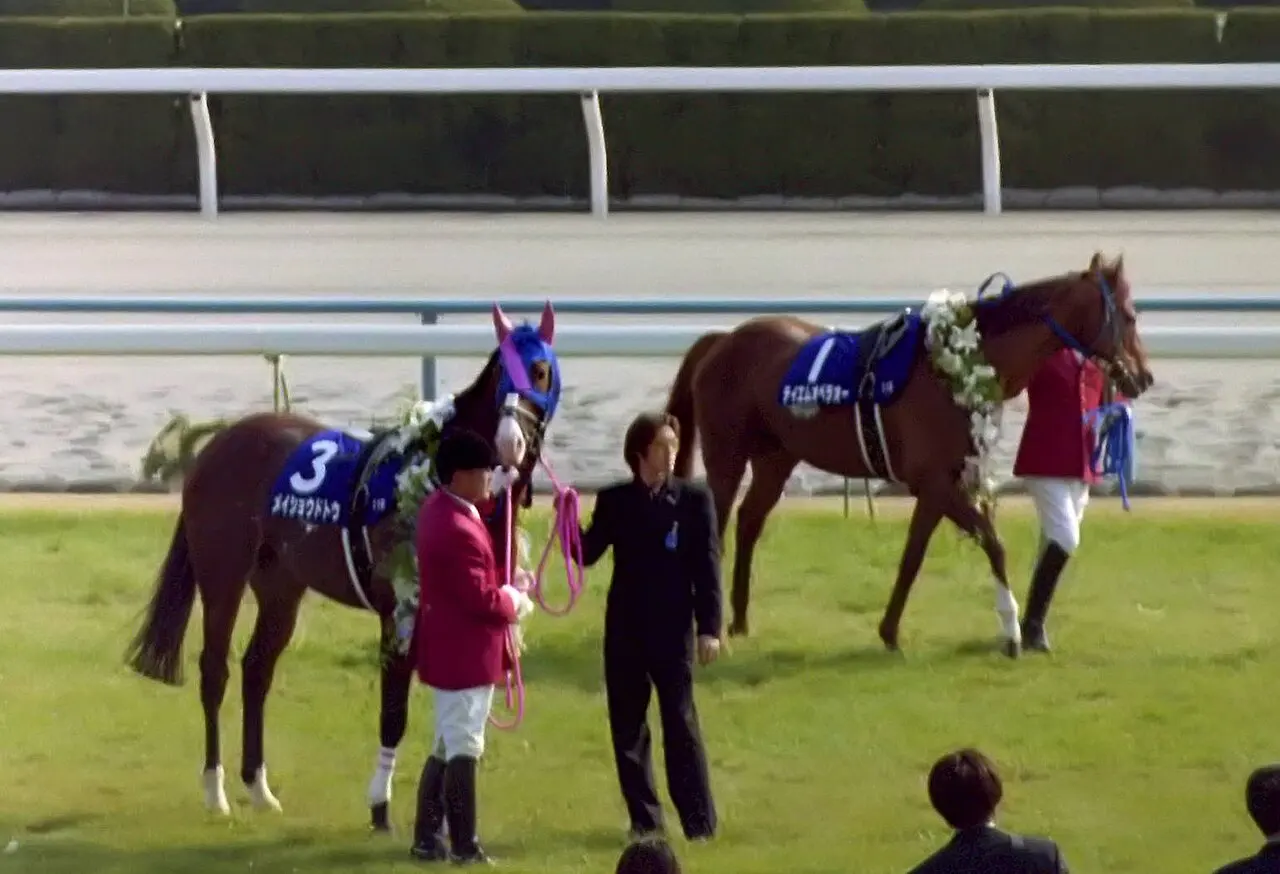
Some great horses used every one of the nine characters. T.M. Opera O, which went eight for eight in 2000, is written te-i-e-mu-o-pe-ra-o plus a long-vowel mark in katakana: exactly nine characters. According to the JRA, the name combines the owner’s kanmuri-mei, or “crown name,” with part of the sire’s name (Opera House) and the word for king, ō. A crown name is a word an owner puts in the names of all his or her horses, here “T.M.,” and it eats into the characters left for everything else.

An 18-character limit worldwide
Outside Japan, names are written in the Roman alphabet. The International Agreement on Breeding, Racing and Wagering, maintained by the International Federation of Horseracing Authorities (IFHA), requires every horse name to be in Roman script or to have a registered Roman-script version, and it rejects any name longer than 18 characters, counting signs and spaces but not the country suffix. Japanese horses have an official Roman-alphabet name too, and it must also fit within 18 characters, spaces included.
The agreement also rules out names followed by numbers, names made up entirely of initials, names containing figures or punctuation such as periods and hyphens, and the names of public figures used without their or their family’s permission.
Off limits, and off limits forever
Japan’s standards include a long list of names that cannot be registered: names identical or confusingly similar to those of registered horses, the names of the horse’s own sire or dam, the names of famous people, offensive names, and names whose meaning does not match the horse’s sex. Racing terms such as breed names and coat colors are out, as are names that merely spell out letters or numbers in katakana. Names of animals and plants, countries and prefectures, movies, TV shows and songs, and products “may not be accepted.”
Most names become available again eventually. According to the registry, the name of a horse that won a graded stakes race below Grade 1 can be reused 10 years after the horse’s racing registration is canceled, and other racehorses’ names after five years. Stallions’ names are freed 15 years after they die or stop breeding, and broodmares’ after 10 years.
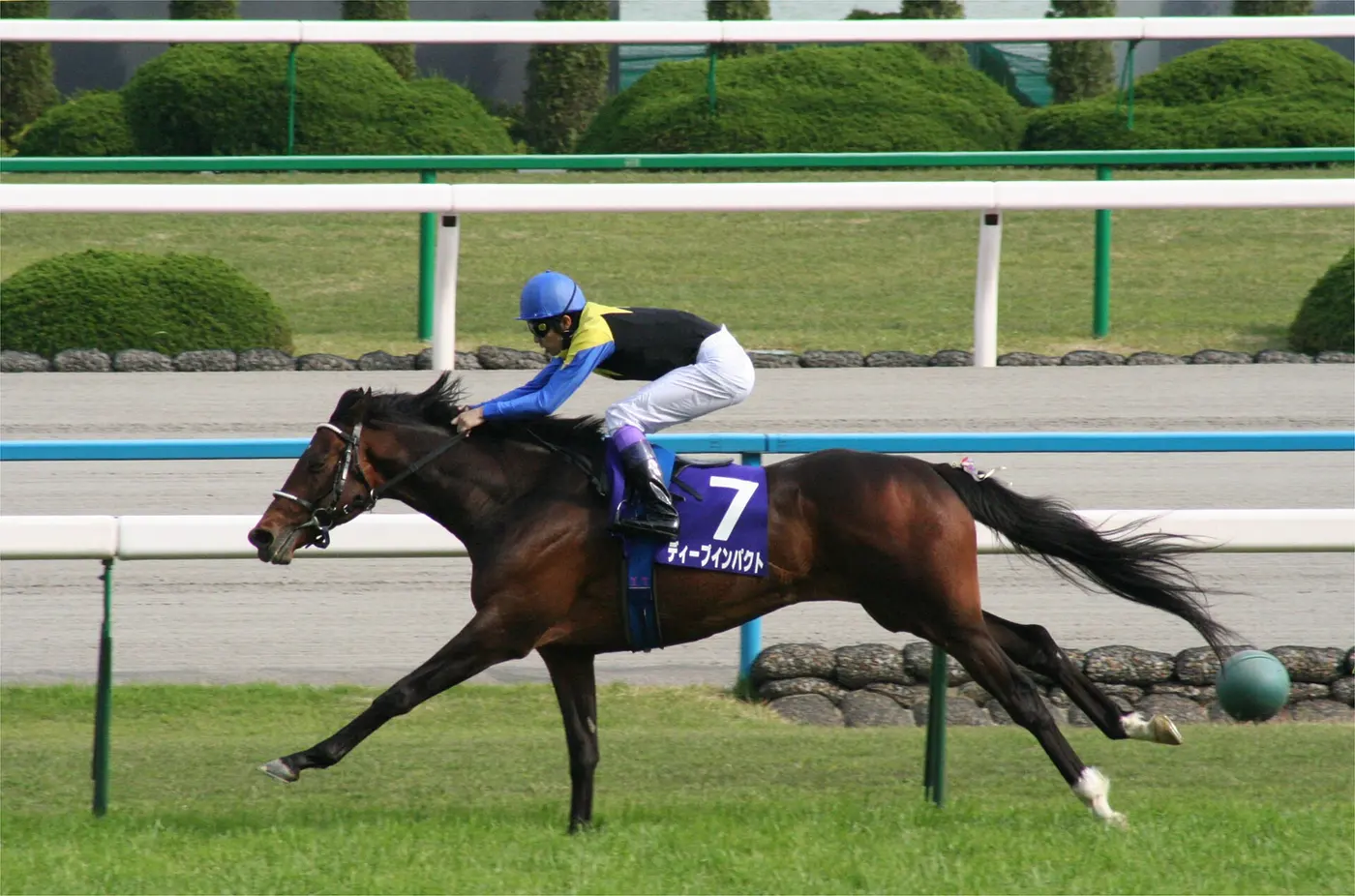
The name of a Grade 1 winner, however, is protected forever. Some names are protected internationally as well. The IFHA’s 2026 International List of Protected Names contains 3,295 names, including Japanese champions such as Deep Impact, Almond Eye and Equinox. The winners of 11 of the world’s biggest races, including the Prix de l’Arc de Triomphe and the Japan Cup, are added automatically.

In the United States in 2025, one of the Kentucky Derby contenders was named Omaha Omaha. Plain “Omaha” was unavailable because the name of the 1935 Triple Crown winner is permanently protected, as the Kentucky Derby’s official website noted in an article on naming rules.