How many islands does Japan have?
14,125, according to a 2023 count by Japan’s national mapping agency. That is more than double the old figure of 6,852, but no new islands were discovered.
14,125
Japan is an island nation. Around its five main islands, Hokkaido, Honshu, Shikoku, Kyushu and Okinawa Island, lie countless smaller ones. But if you actually sat down and counted them all, how many would there be?
For a long time the answer was 6,852. Then, on February 28, 2023, the Geospatial Information Authority of Japan (GSI), the country’s national mapping agency, announced that a fresh count had come to 14,125. In the first recount in 36 years, the number of islands had more than doubled.
The first recount in 36 years
The figure of 6,852 was published by the Japan Coast Guard in 1987. According to Kyodo News, the coast guard had gone through a map of Japan by hand, listing every island with a circumference of 100 meters (330 feet) or more. Islands in lakes and sandbanks in rivers were left out.
That number went on being used in government documents for decades. According to Kyodo, in December 2021 a lawmaker from the ruling Liberal Democratic Party told the Diet, Japan’s parliament, that an accurate understanding of the number of islands was an important administrative matter related to the national interest.
For the recount, the GSI used its own Digital Japan Basic Map, the digital data behind its 1:25,000 topographic maps. As of January 2022, the map showed 120,729 separate pieces of land. A computer picked out those that met the criteria, and they were checked against older maps and aerial photographs, arriving at a total of 14,125.
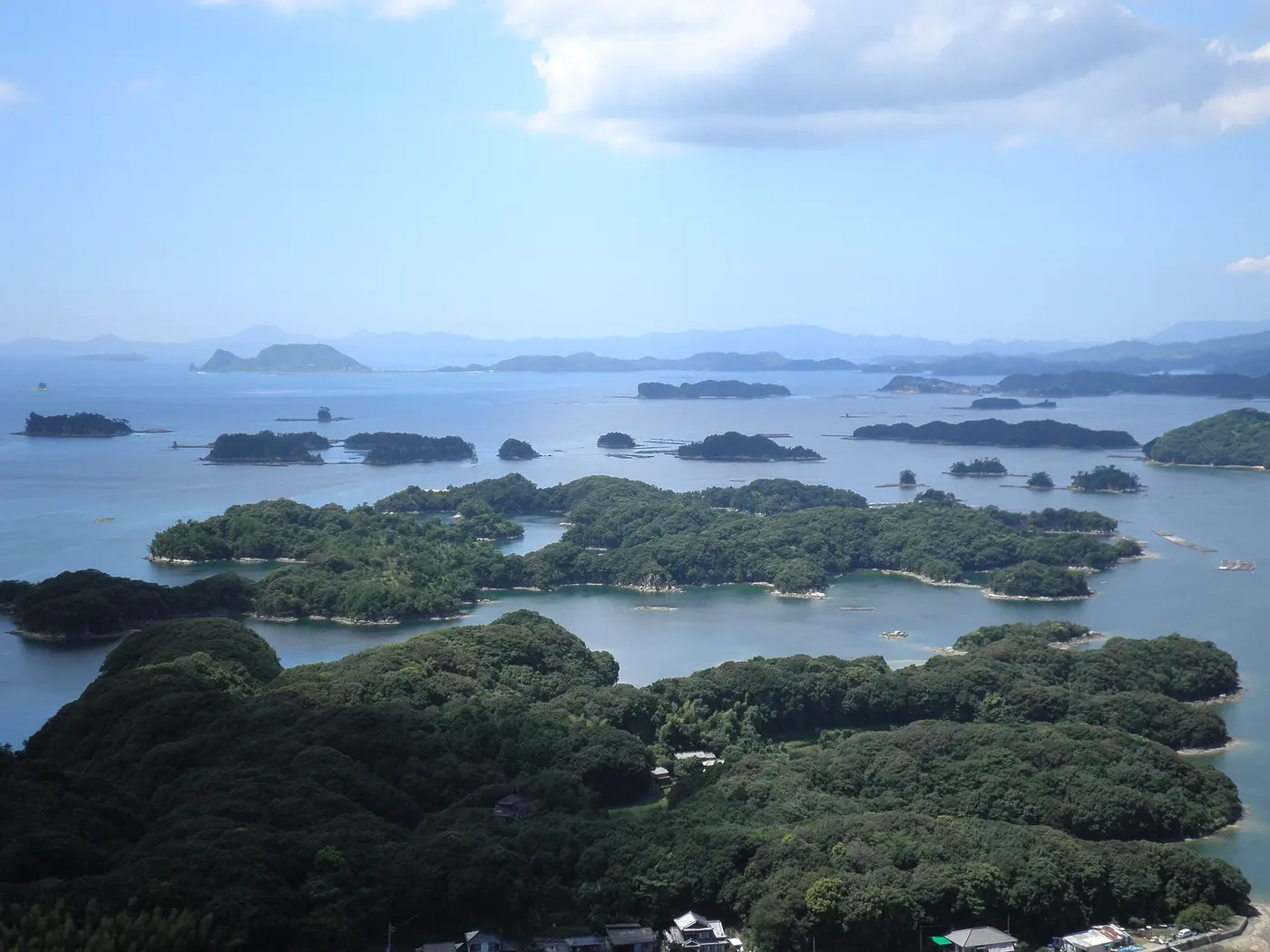

Sharper maps, not new islands
The doubling did not mean that thousands of new islands had turned up. The GSI attributes the jump to advances in surveying, which have made maps far more detailed.
It gives Enoshima, a small island off the coast of Kanagawa Prefecture south of Tokyo, as an example. On a 1983 map, only two pieces of land around Enoshima, including the island itself, had a circumference of 0.1 kilometer or more. On today’s map, the rocky shore is drawn in much finer detail, and seven qualify. Spots that had been treated as part of the mainland or as a single island turned out to be separate islands.
Japan’s total area is unchanged. The basic map already showed every piece of land, and the country’s area is measured from it. Japan now has twice as many islands on paper, but it hasn’t grown an inch.
What counts as an island?
There is an international definition of an island. Article 121 of the United Nations Convention on the Law of the Sea defines one as “a naturally formed area of land, surrounded by water, which is above water at high tide.” But there is no international agreement on how to count them.
So the GSI set its own rules. First, an island had to have a circumference of at least 0.1 kilometer, the same threshold the coast guard used in 1987. Second, it had to be naturally formed: artificial islands such as Hakkeijima, built on reclaimed land in Yokohama, were left out. And islands in lakes and marshes, such as Nakajima in Hokkaido’s Lake Toya, were excluded.
Nagasaki Airport is an interesting case. Built in Omura Bay, it opened in 1975 on Mishima, a natural island that was enlarged with landfill. Because its foundation is a natural island, the GSI judged it to be naturally formed land and counted it.
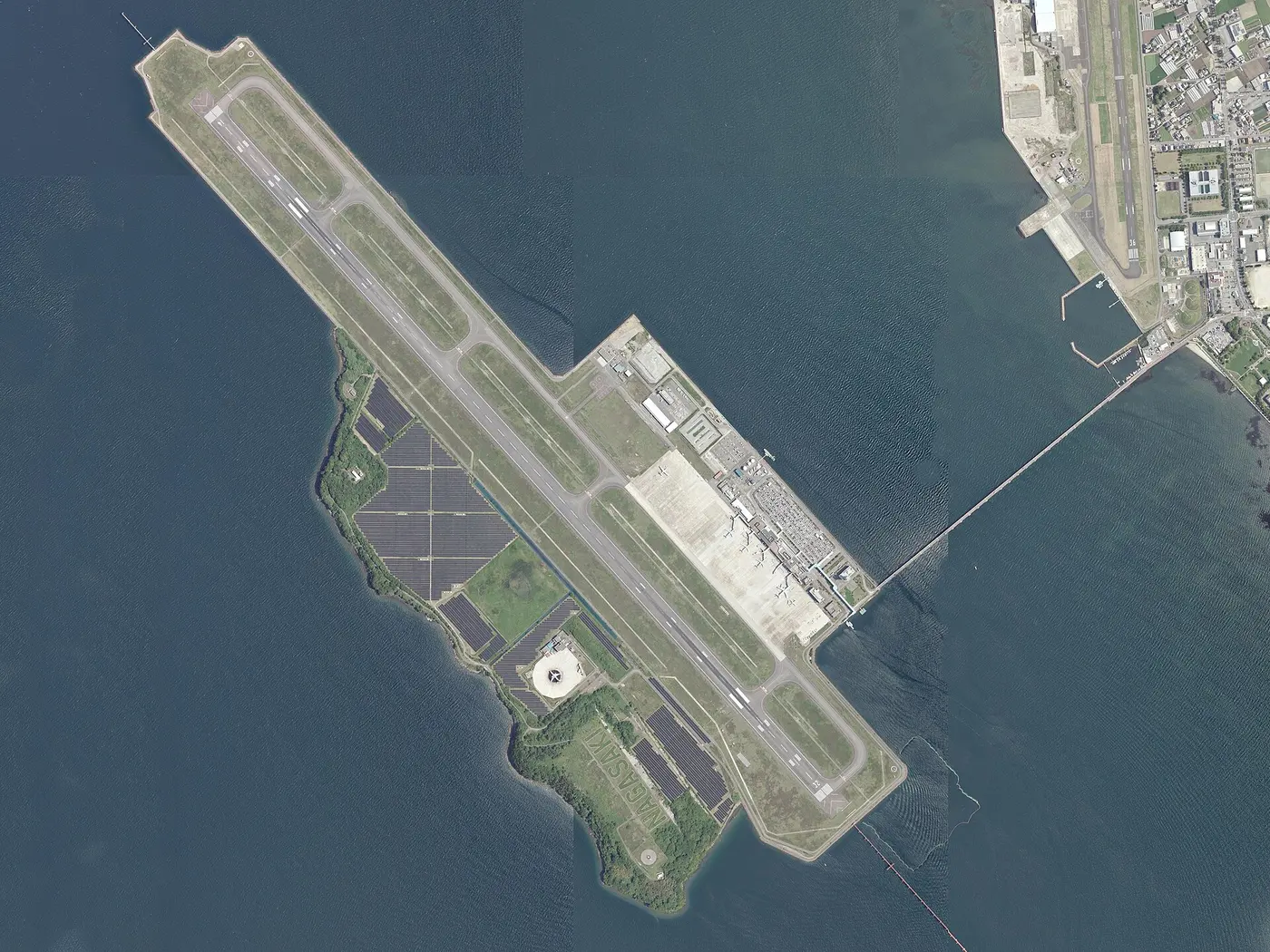

The GSI also points out that bits of land less than 0.1 kilometer around are still islands if they fit the treaty’s definition. The true number of Japan’s islands is larger still.
Nagasaki comes out on top
By prefecture, Nagasaki has the most islands, with 1,479. Home to Tsushima, Iki and the Goto Islands, it edged out Hokkaido, with 1,473, by just six. Kagoshima is third with 1,256, followed by Iwate, with its deeply indented coastline, at 861, then Okinawa at 691 and Miyagi at 666. Tokyo, which governs the Izu and Ogasawara Islands far out in the Pacific, ranks eighth with 635.
Only a small fraction of these islands have people living on them. A 2019 document from Japan’s Ministry of Land, Infrastructure, Transport and Tourism put the number of inhabited islands, not counting the five main islands, at 416.
The GSI says the count may change with erosion, rising seas or volcanic activity, and that it will revise the figure as needed. The number 14,125 is best thought of as a snapshot of Japan at one moment in time.