How many active volcanoes does Japan have?
111, according to the Japan Meteorological Agency. The count is based on a definition that includes volcanoes that have erupted within roughly the past 10,000 years, and it has grown as research has advanced.
111
How many active volcanoes does Japan have? The Japan Meteorological Agency (JMA) says 111. They run from Hokkaido to Kyushu and the southern islands, and the total includes volcanoes in the Russian-held islands that Japan claims as its Northern Territories, as well as several on the seafloor.
That number has not always been the same, though. Each time the definition of an “active volcano” changed, so did the count.
No more “dormant” or “extinct”
Volcanoes used to be sorted into three groups. According to the JMA, a volcano erupting now was “active.” One like Mount Fuji, which has erupted in recorded history but is currently quiet, was “dormant.” One with no eruptions in the historical record was “extinct.”
But volcanoes live a very long time, and a pause of a few hundred years is only a brief nap. From the 1950s, the idea that every volcano with a record of eruptions, or with the potential to erupt again, should count as active spread internationally. From the 1960s, the JMA, too, began calling every volcano with recorded eruptions active.
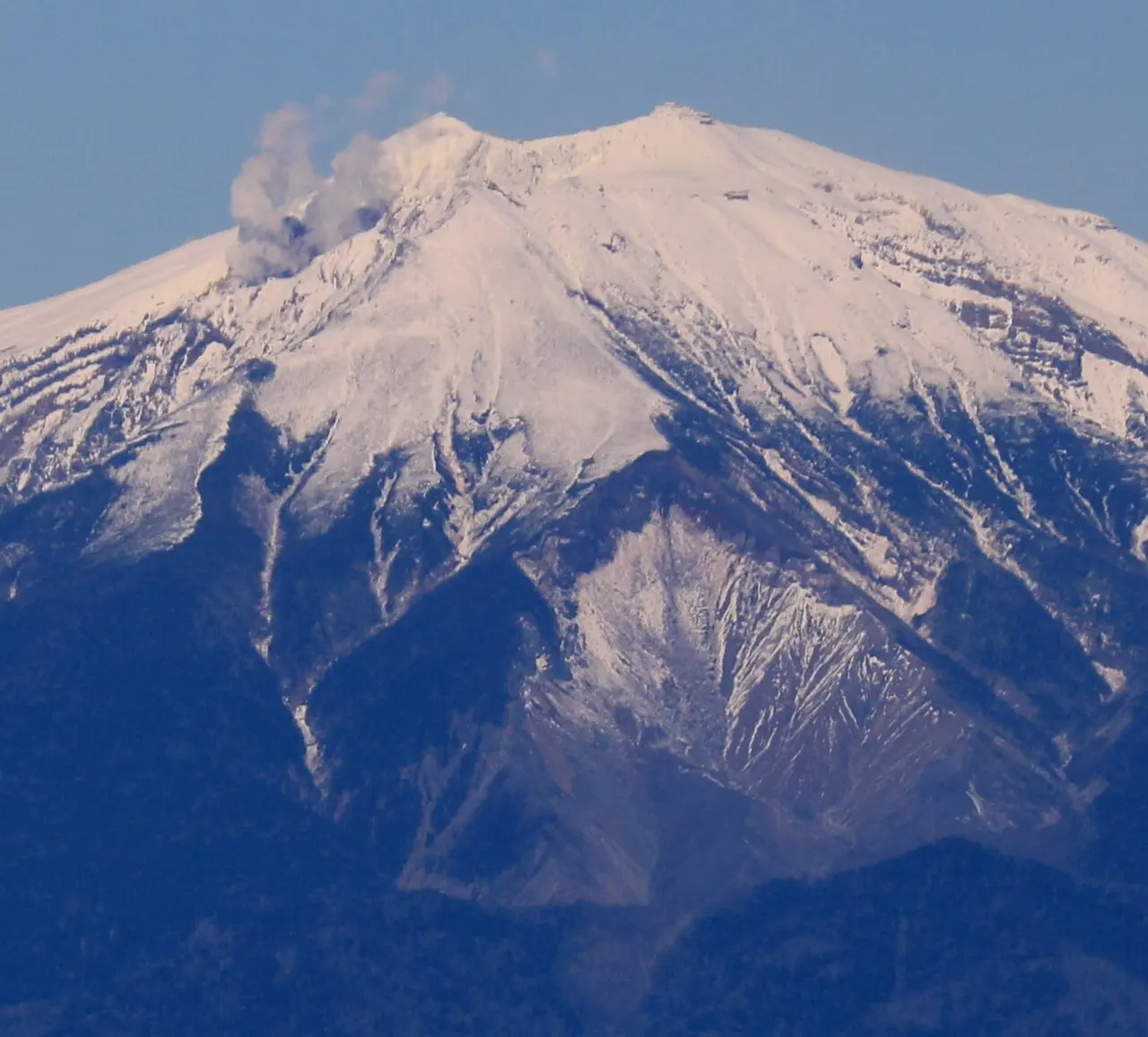
Mount Ontake, on the border of Nagano and Gifu prefectures, showed how misleading the word “extinct” could be. According to Teruki Oikawa of Japan’s National Institute of Advanced Industrial Science and Technology, Ontake had no historical record of eruptions and was not expected to erupt, yet on October 28, 1979, it suddenly did, helping to prompt a review of active volcanoes across Japan. Japanese dictionaries now describe the terms for “dormant” and “extinct” volcanoes as no longer in use, and the Volcanological Society of Japan recommends against using the word “dormant.”

From 77 to 111
In 1975, the Coordinating Committee for Prediction of Volcanic Eruption, for which the JMA serves as secretariat, defined active volcanoes as those with records of eruptions or with vigorous fumarolic activity today, and selected 77. But whether eruptions get recorded depends on human circumstances. And even without written records, studies of ash and other volcanic deposits were increasingly turning up evidence of fairly recent eruptions.
So in 1991 the definition was changed to volcanoes that had erupted within roughly the past 2,000 years, along with those showing vigorous fumarolic activity, giving 83 volcanoes. Three more were added in 1996, for 86. Then, because some volcanoes had come back to life after resting for thousands of years, the committee redefined active volcanoes in 2003 as those that have erupted within roughly the past 10,000 years or show vigorous fumarolic activity today. The count became 108. Using the past 10,000 years as the yardstick was becoming the norm internationally.
Two volcanoes were added in 2011 and one in 2017, bringing the total to today’s 111. The 2017 addition was Mount Nantai in Nikko, Tochigi Prefecture. Its last eruption had been thought to be about 14,000 years ago, but research showed signs of an eruption about 7,000 years ago. The JMA stressed that Nantai was not selected because it had become more active, and that it showed no signs of an impending eruption. No new volcano had to appear for the count to rise; better research was enough.
In April 2024, a new government headquarters for volcano research, set up under an amended law, discussed how active volcanoes should be defined and decided to stick with the 111 for the time being.
About 7 percent of the world’s, and 51 watched around the clock
Japan’s 2014 white paper on disaster management says the country has about 7 percent of the world’s active volcanoes. According to the Britannica International Encyclopedia in Japanese, there are about 1,500 active volcanoes worldwide. Japan is one of the most volcanic countries on Earth.
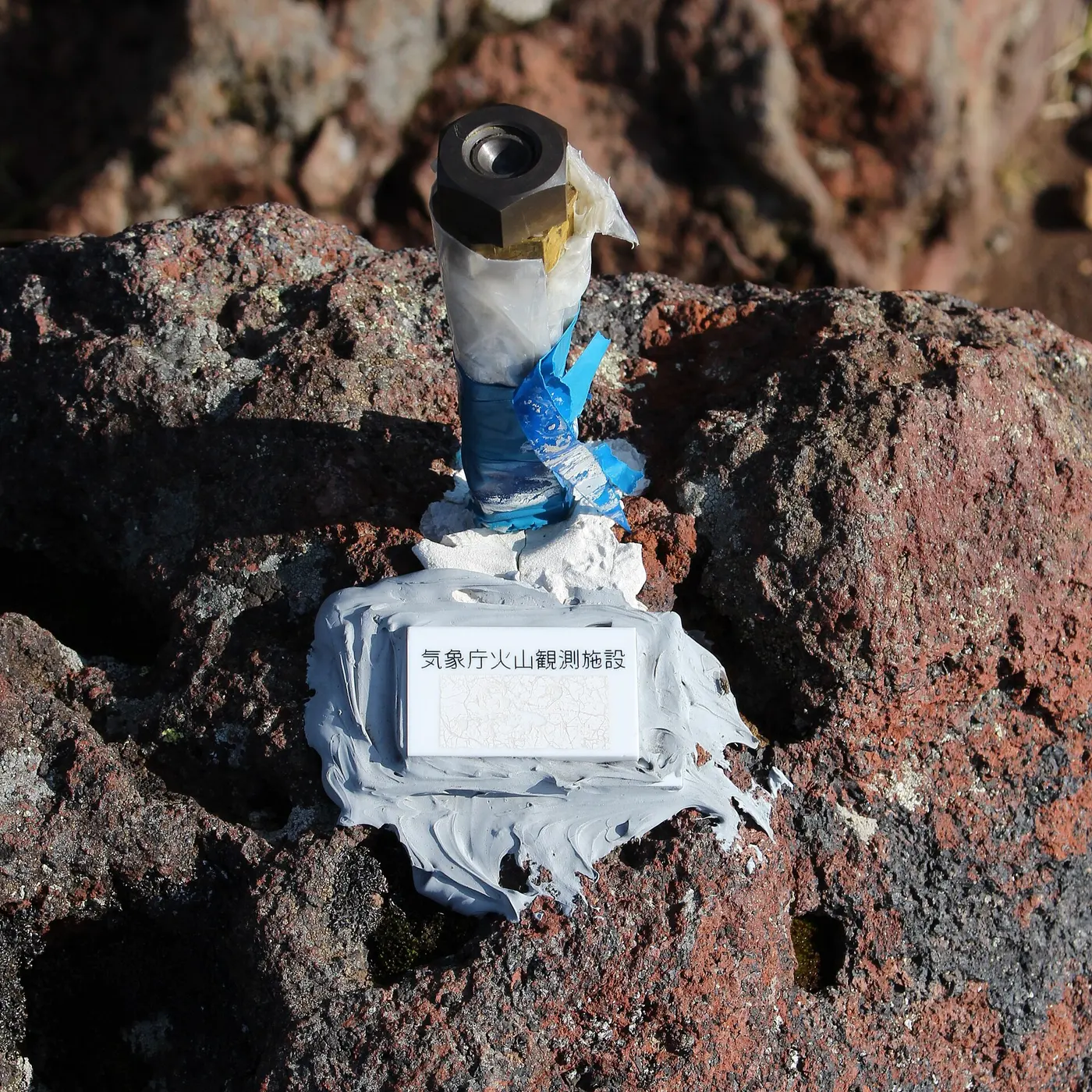
Not all 111 are watched equally, however. In 2009 the coordinating committee selected 47 volcanoes as needing stronger monitoring for disaster prevention, and the JMA equipped them with seismometers, tiltmeters, infrasound sensors, satellite positioning receivers and monitoring cameras to observe them around the clock. After the 2014 eruption of Mount Ontake, which killed many hikers near the summit, three more volcanoes were added in December 2016, bringing the total to 50. On March 26, 2026, Nakanoshima, an island in Toshima Village, Kagoshima Prefecture, joined the list, and the number of these continuously monitored volcanoes rose to 51.